Community
Hope Hatches: Two Chicks from "Extinct in the Wild" Species Born at Smithsonian's DMV Conservation Campus
Share this article
Advertisement
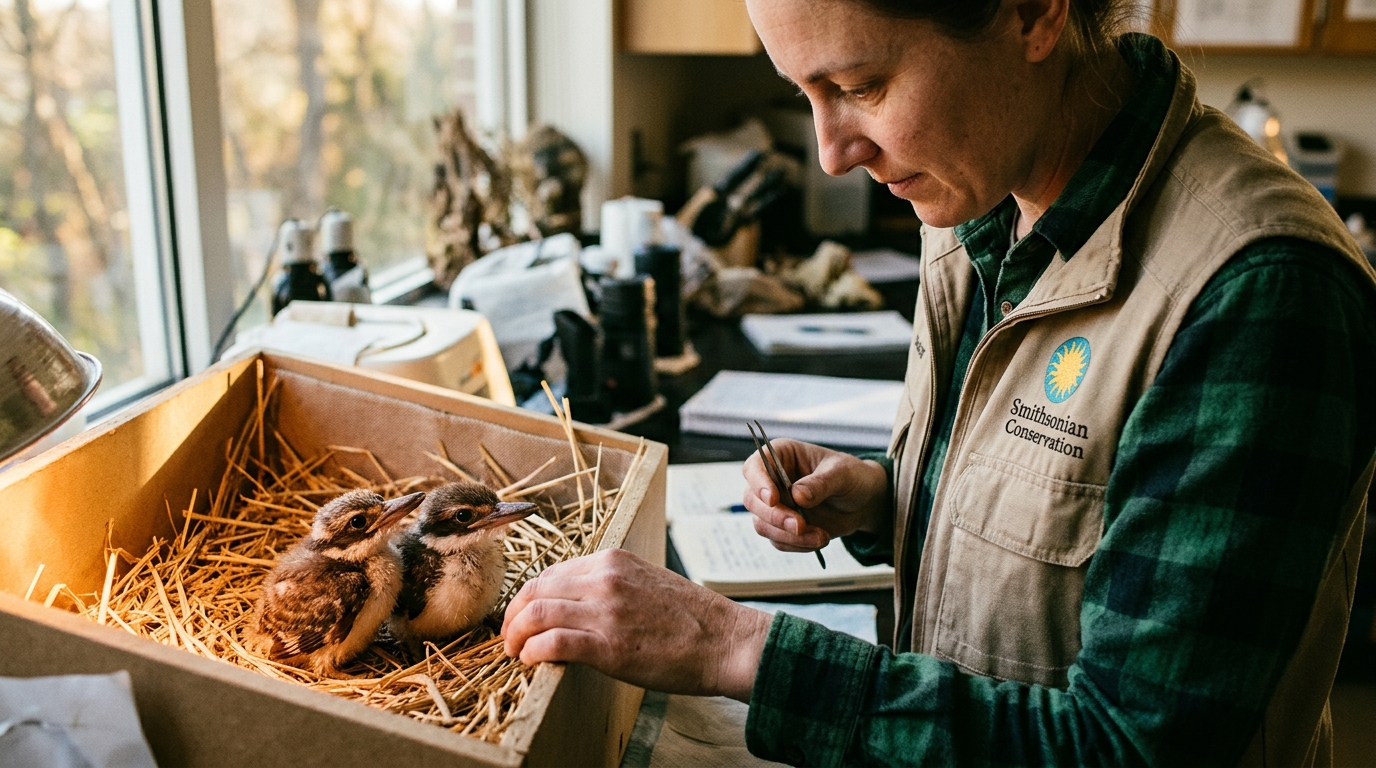
A tiny flicker of hope just hatched in our backyard. The Smithsonian Conservation Biology Institute (SCBI), a cornerstone of wildlife preservation right here in the DMV, recently announced the birth of two chicks from a species officially classified as "extinct in the wild." This remarkable event occurred at their sprawling conservation campus, marking a significant moment for global biodiversity efforts and a point of pride for our region. Imagine a species so rare, its last wild members have vanished from their natural habitats. That's the stark reality for animals categorized as "extinct in the wild" by organizations like the International Union for Conservation of Nature (IUCN). These classifications aren't just academic labels; they represent species that now only exist under human care, in zoos, and dedicated conservation centers. Their survival, quite literally, rests in our hands.
The birth of these two chicks represents a critical step in bringing a species back from the brink of total extinction.
For the Smithsonian's team, these births are a testament to years of dedicated work, scientific expertise, and unwavering commitment. While the specific species of the chicks hasn't been publicly detailed, the announcement itself underscores the critical role that facilities like the SCBI play in preventing the complete disappearance of vulnerable wildlife. It's a complex, often quiet, battle waged daily by biologists, veterinarians, and animal care specialists. The Smithsonian's Role in Global Conservation
The Smithsonian Conservation Biology Institute, nestled just outside Front Royal, Virginia, is no ordinary zoo. It's a cutting-edge research and breeding facility dedicated to understanding and conserving wildlife. Its mission extends far beyond exhibiting animals; it's about pioneering scientific breakthroughs, developing breeding programs for endangered species, and training the next generation of conservationists. The SCBI works on a global scale, but its impact resonates deeply within the DMV. Having a world-renowned institution like the SCBI in our region means DMV residents are directly connected to some of the most critical conservation efforts on the planet. This isn't just news happening far away; it's a success story unfolding in our own backyard, thanks to the tireless efforts of scientists and staff who call this area home. Their work contributes directly to the global fight against species loss, often involving intricate genetic management, specialized diets, and carefully controlled environments designed to mimic natural habitats as closely as possible.A Glimmer of Hope for Biodiversity
The birth of these two chicks isn't just heartwarming; it's scientifically significant. Each new individual adds to the genetic pool, strengthening the population and improving its long-term viability. For species teetering on the edge, every birth is a victory, a small step back from the precipice. It keeps the dream of eventual reintroduction into protected wild spaces alive, even if that goal is decades away. These captive breeding programs are often the last line of defense. They meticulously manage small populations, ensuring genetic health and behavioral integrity while scientists work to address the threats that led to the species' decline in the first place, whether it's habitat loss, climate change, or disease. The expertise cultivated at places like the SCBI is shared internationally, making these local successes ripple across the globe. You can learn more about the broader scope of their work on the Smithsonian National Zoo and Conservation Biology Institute's official website.What This Means for DMV Residents
For those of us living in the Washington, D.C. metropolitan area, this news should be a source of immense pride. The Smithsonian's conservation campus is a global leader, and its presence here highlights the DMV's unique position as a hub for science, research, and environmental stewardship. It's a reminder that groundbreaking work happens close to home, contributing to a healthier planet for everyone. While these chicks won't be on public display at the National Zoo in D.C. anytime soon – the conservation campus is a dedicated research facility, not typically open to the general public for casual visits – their existence represents the profound dedication of local scientists. It also underscores the importance of supporting institutions that invest in long-term conservation strategies. This success story offers a tangible example of how local efforts can have far-reaching global consequences. As these two young chicks grow, their journey will be carefully monitored, contributing invaluable data to the science of conservation. Their birth is a powerful reminder that even for species facing the direst circumstances, hope can still hatch, thanks to dedicated individuals and institutions like the Smithsonian Conservation Biology Institute. It's a story that asks us all to consider our role in protecting the incredible biodiversity that enriches our world.📍 Local Resources
Smithsonian National Zoo and Conservation Biology Institute
Learn more about their conservation efforts, research, and how to support their mission.
🌐 Website: nationalzoo.si.edu
📍 Location: 3001 Connecticut Ave NW, Washington, DC 20008 (National Zoo)
📞 Phone: (202) 633-4888
Friends of the National Zoo (FONZ)
Support the zoo's conservation and education programs through membership and donations.
🌐 Website: nationalzoo.si.edu/support/fonz
📞 Phone: (202) 633-4839
Virginia Department of Wildlife Resources
Information on local wildlife, conservation efforts within Virginia, and how to report wildlife concerns.
🌐 Website: dwr.virginia.gov
📞 Phone: (804) 367-1000
Advertisement