Community
Montgomery County
Shady Grove Residents Push for 'Plan C' in Waste Management Strategy
Share this article
Advertisement
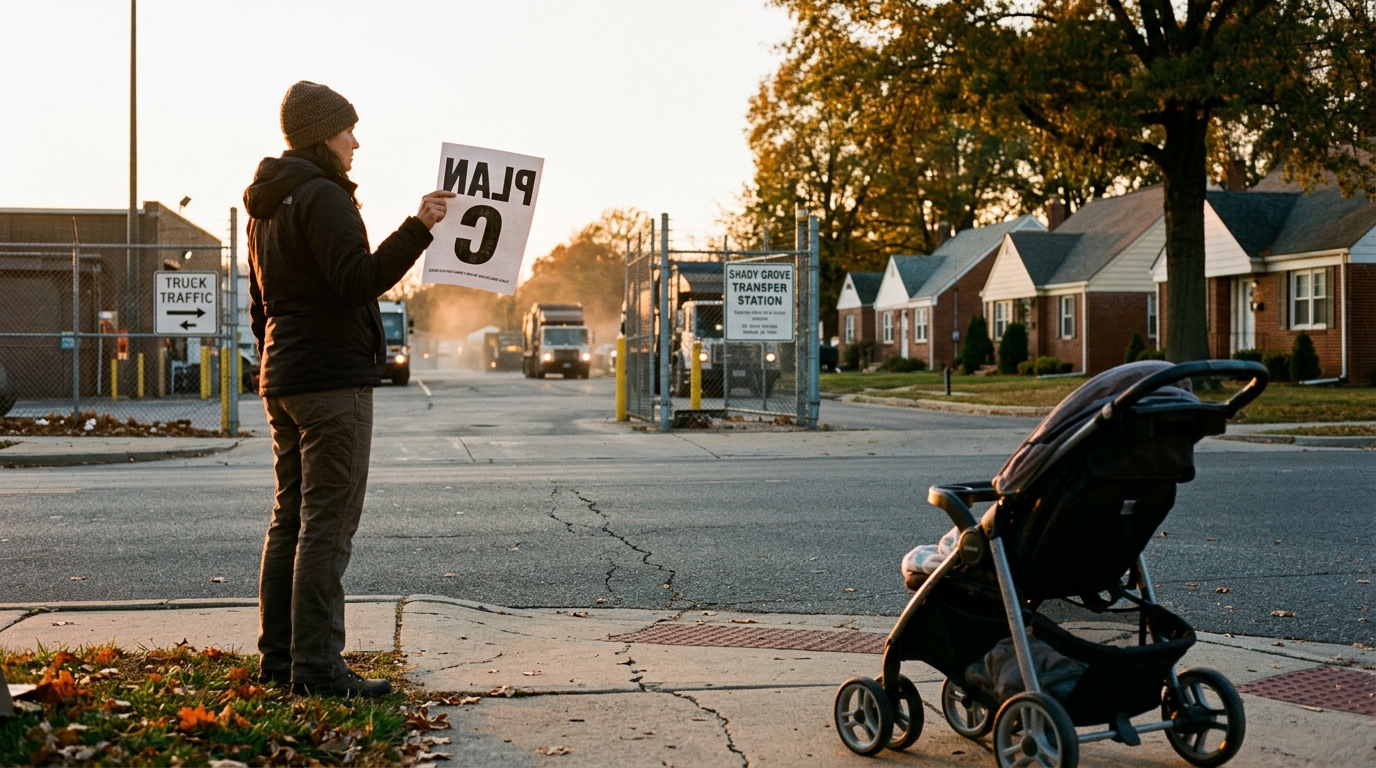
A call for change is echoing through the neighborhoods surrounding the Shady Grove Transfer Station, as residents are actively advocating for what they're calling "Plan C" in the county's waste management approach. This demand highlights ongoing community engagement with how Montgomery County handles its refuse, particularly at a facility that sits so close to homes and daily life. The Shady Grove Transfer Station, located off Shady Grove Road in Rockville, serves as a critical hub in Montgomery County's extensive waste disposal system. It's where residential and commercial trash trucks bring collected waste from across the county for consolidation before it's transported to the Waste-to-Energy facility or landfills. While essential for efficient waste processing, facilities like this often become focal points for local community concerns, making residents' push for a "Plan C" a significant development.
Understanding the Shady Grove Transfer Station's Role
The Shady Grove Transfer Station isn't just a place where garbage gets dropped off; it's a complex operation that's integral to keeping Montgomery County clean and managing its environmental footprint. The Montgomery County Department of Environmental Protection (DEP) oversees its operations, which include receiving, compacting, and transferring waste, along with handling recycling and yard waste. It’s a busy place, processing thousands of tons of material each day. For residents, the transfer station is a constant presence. Its operation directly impacts local traffic, air quality, and the general ambiance of the surrounding area. The very nature of waste management means dealing with odors, truck traffic, and the potential for environmental impacts, even with modern controls in place. When residents call for a "Plan C," it suggests a desire for significant adjustments to existing or proposed operational plans, reflecting a deep-seated interest in how these issues are managed.Why Residents Might Seek a 'Plan C'
While the specific details of what "Plan C" entails, or what "Plan A" or "Plan B" might have been, aren't publicly outlined in the current discussions, the very request for a new plan speaks volumes. Communities living near waste facilities typically voice concerns across several key areas. These often include:Residents' call for a 'Plan C' underscores the ongoing need for transparent and responsive waste management strategies that genuinely address local community impacts.
* **Odor Control:** The most common complaint around waste facilities is often the smell. Despite advanced filtration and operational protocols, managing odors from decomposing waste can be a persistent challenge, especially on certain days or with shifting winds.
* **Traffic Congestion and Safety:** Large numbers of heavy vehicles, including garbage trucks and transfer trailers, moving in and out of the facility can contribute to local traffic congestion, noise pollution, and raise safety concerns for pedestrians and other drivers on nearby roads like Shady Grove Road.
* **Environmental Impact:** Residents may worry about potential impacts on local air and water quality, even with strict regulatory oversight. Concerns about dust, litter, and runoff are not uncommon.
* **Noise Levels:** The constant operation of machinery, trucks, and compactors can generate significant noise, disrupting the peace of nearby residential areas. The push for a "Plan C" indicates that residents likely feel that current or anticipated waste management strategies aren't adequately addressing these, or other, specific concerns. It signals a desire for innovative solutions or a fundamental rethinking of how the transfer station operates within its community context. Community Advocacy in Montgomery County
Residents in Montgomery County have a long history of active participation in local government decisions, especially when it comes to issues affecting their immediate neighborhoods. Demands for new plans, like this "Plan C," typically emerge from organized community groups, homeowners associations, or concerned citizens banding together to voice their collective needs to the Montgomery County Council and county departments. Such advocacy often involves public meetings, petitions, direct communication with elected officials, and engagement with relevant county agencies like the DEP. The goal is usually to influence policy, secure funding for improvements, or prompt a reevaluation of operational practices that impact quality of life. The call for a "Plan C" suggests that previous discussions or proposals might not have satisfied the community's expectations, prompting a renewed effort for a more favorable outcome.What's Next for
Advertisement
Explore more on this topic
Related Stories
Community
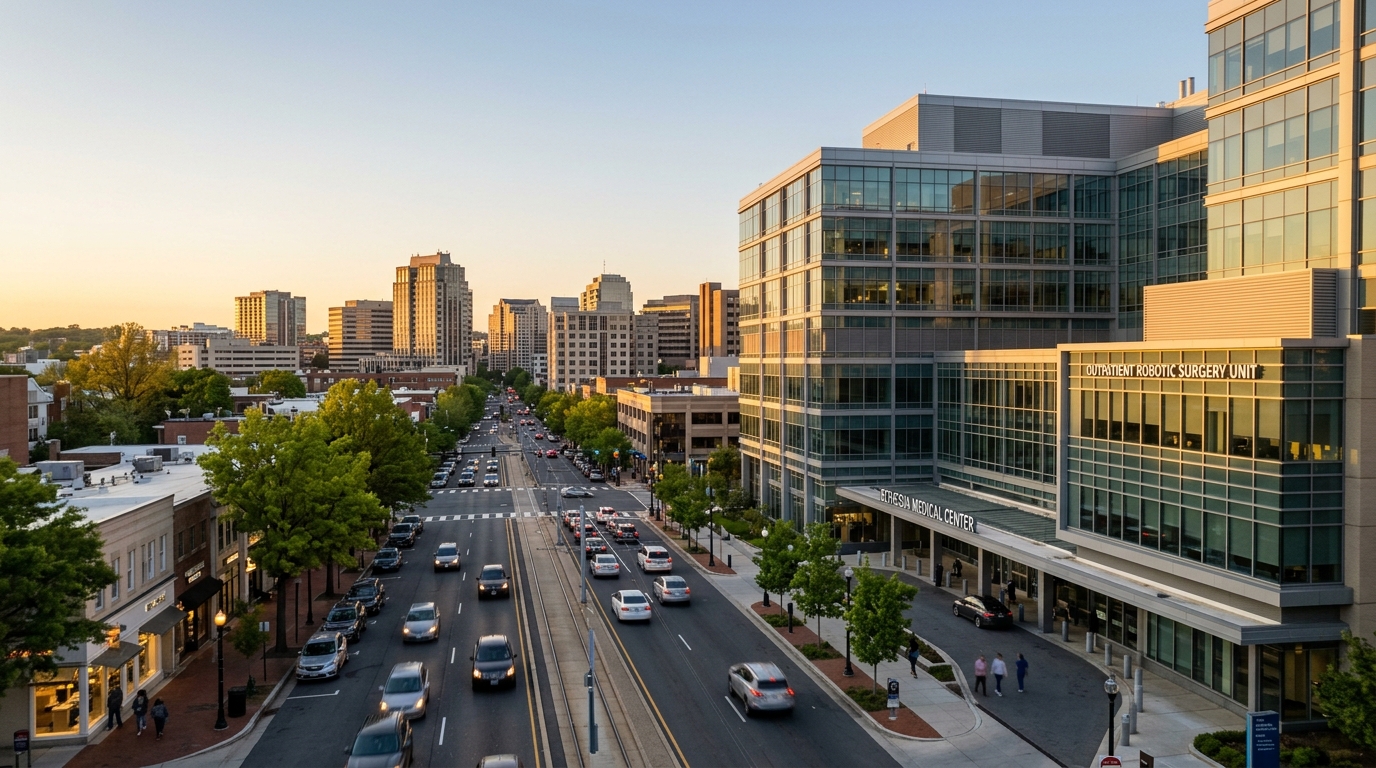
Bethesda Patient Undergoes First-of-Its-Kind Robotic Surgery for Breast Cancer, Retaining Sensation
Montgomery County·Community
A Bethesda breast cancer patient recently underwent a groundbreaking robotic surgery designed to preserve sensation, marking a significant advancement in local medical care.
1 day ago4 min read

Community
Fairfax County School Rockets Towards New STEM Program
Fairfax County·Community
A Fairfax County school is set to launch a new rocket building program, promising to boost STEM education and ignite student passion for science and engineering. While details are scarce, the initiative aligns with the region's focus on innovative learning and preparing students for future tech careers.
2 days ago4 min read
Community
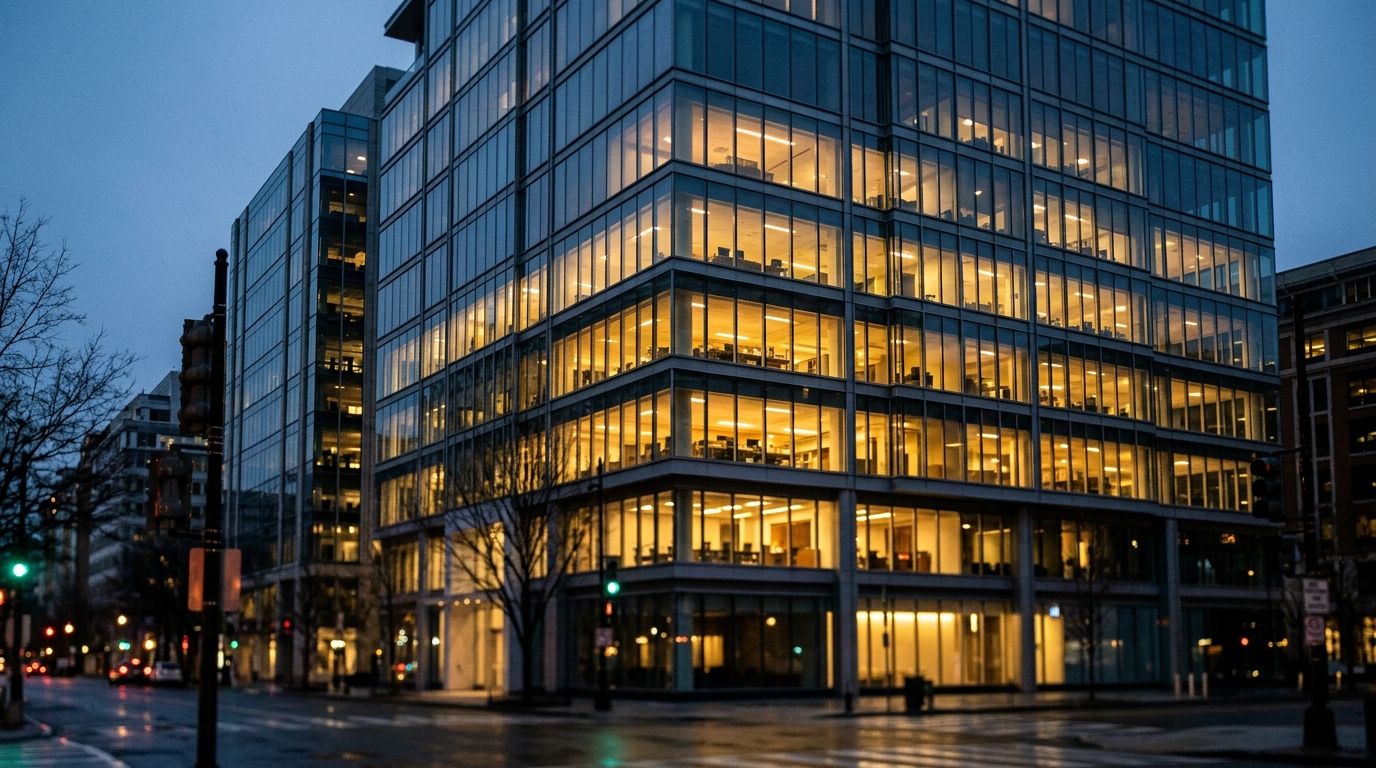
Luxury Living in Chesterbrook Estates: A Grand McLean Home Hits the Market
Fairfax County·Community
A spacious 6-bedroom, 7.5-bathroom home in McLean's Chesterbrook Estates is set for an open house this Sunday, offering a prime example of luxury living in Northern Virginia.
2 days ago4 min read