Robert White Resigns from DC Council, Paving Way for Congressional Run
Share this article
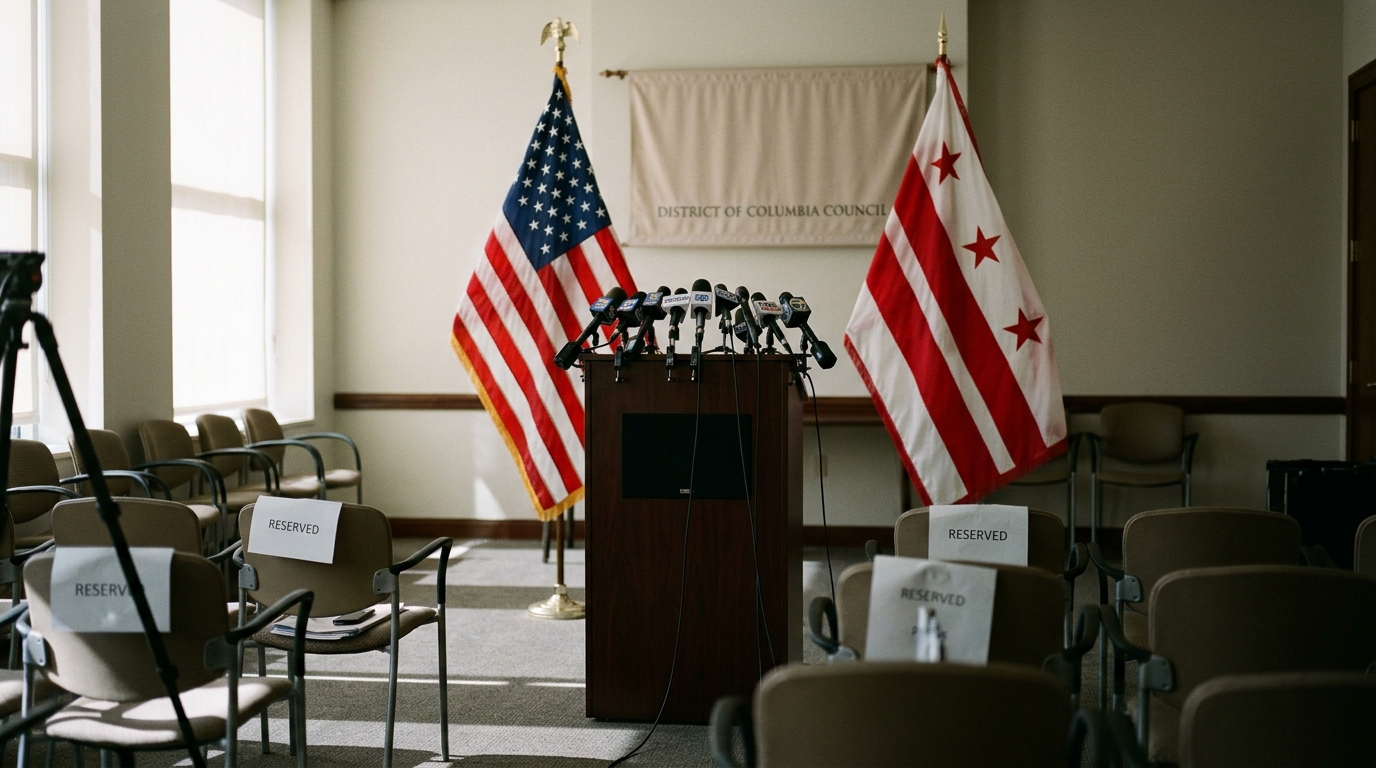
Why the Resignation? The Rules of the Game
Councilmember White's decision to resign highlights a common requirement in American politics: to be eligible for a federal office, one often cannot simultaneously hold a local elected position. This isn't just a matter of juggling two demanding jobs; it's rooted in ethical guidelines and electoral laws designed to prevent conflicts of interest and ensure full dedication to the office sought. For White, this means fully committing to the rigorous campaign trail for a seat in the U.S. Congress, a body where D.C. currently holds a unique and often frustrating status. The specific congressional seat White is eyeing hasn't been explicitly detailed in the initial reports, but it's widely understood that any D.C. bid for Congress typically involves the District's non-voting Delegate position in the House of Representatives. This role, currently held by the venerable Eleanor Holmes Norton, is D.C.'s only voice on the House floor, though that voice lacks the power to cast a vote on final legislation. The pursuit of this seat underscores the persistent fight for full federal representation for the District's more than 700,000 residents, who pay federal taxes but have no voting members in Congress.Impact on the D.C. Council and Local Governance
White's departure leaves a noticeable void on the D.C. Council. As an At-Large member, he represented all District residents, giving him a broad platform to address city-wide issues ranging from housing affordability to public safety and economic development. His absence will undoubtedly shift the dynamics of the Council's legislative agenda and committee assignments. The D.C. Council is responsible for passing local laws, approving the city's budget, and overseeing the various District agencies. With White's seat now open, the Council will likely need to reassign some of his responsibilities and committee roles until a successor is chosen. This could potentially delay progress on certain legislative initiatives or require other Councilmembers to take on additional workloads.The Road Ahead: Special Election and Campaign Trail
With White's resignation official, the D.C. Board of Elections will now set the timeline for a special election to fill the At-Large Council seat. This special election will give District residents the chance to choose who will complete the remainder of White's term, ensuring continuous representation on the legislative body. These elections often see a flurry of activity, with community leaders, activists, and other local figures stepping forward to contend for the position. Potential candidates will need to quickly organize campaigns, raise funds, and connect with voters across the city. Meanwhile, Robert White himself will be hitting the campaign trail, aiming to convince voters that he's the right person to represent D.C.'s interests in Washington. His campaign will likely focus on issues critical to the District, such as the ongoing push for D.C. statehood, federal funding for local services, and addressing the unique challenges faced by the nation's capital. This will involve engaging with both local constituents and national political figures who can influence the statehood debate.The Larger Picture: D.C. Statehood and Federal Representation
White's congressional bid is more than just a personal ambition; it's another chapter in D.C.'s long-standing fight for full federal representation and statehood. For decades, the District has been advocating for the right to have voting members in both the House and Senate, arguing that its residents deserve the same democratic rights as citizens in any state. The D.C. Delegate plays a crucial role in this effort, serving as the city's primary advocate on Capitol Hill. While the delegate can introduce legislation, participate in committee hearings, and even vote in committees, they cannot cast a final vote on the House floor. This lack of full voting power is a constant source of frustration for District residents and their elected officials. White's potential move to this federal role would mean a new voice championing these issues, potentially bringing fresh perspectives and strategies to the statehood movement. As the special election for his D.C. Council seat approaches and White ramps up his congressional campaign, District residents will have critical decisions to make. The outcomes of both races will shape the future of local governance and the ongoing quest for equal rights in the nation's capital. Keep an eye on the District of Columbia government website for updates on election timelines and candidate information. This is a moment where local political shifts could have significant national reverberations for the cause of D.C. statehood.Explore more on this topic
Related Stories
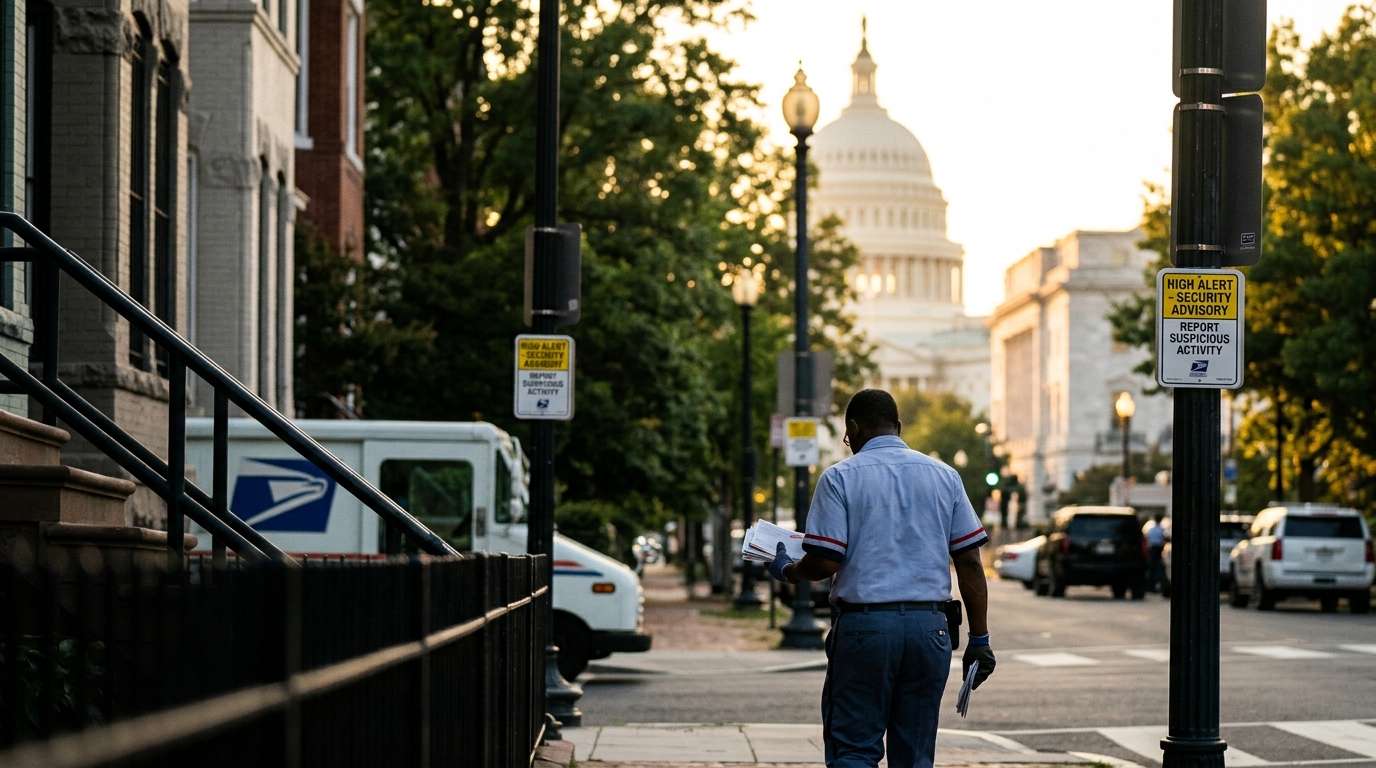
Federal Probe into Suspicious Letters Widens, Keeping the DMV on High Alert
A federal investigation into suspicious letters sent to elected officials is widening, raising security concerns across the DMV region due to its high concentration of federal workers and government operations.
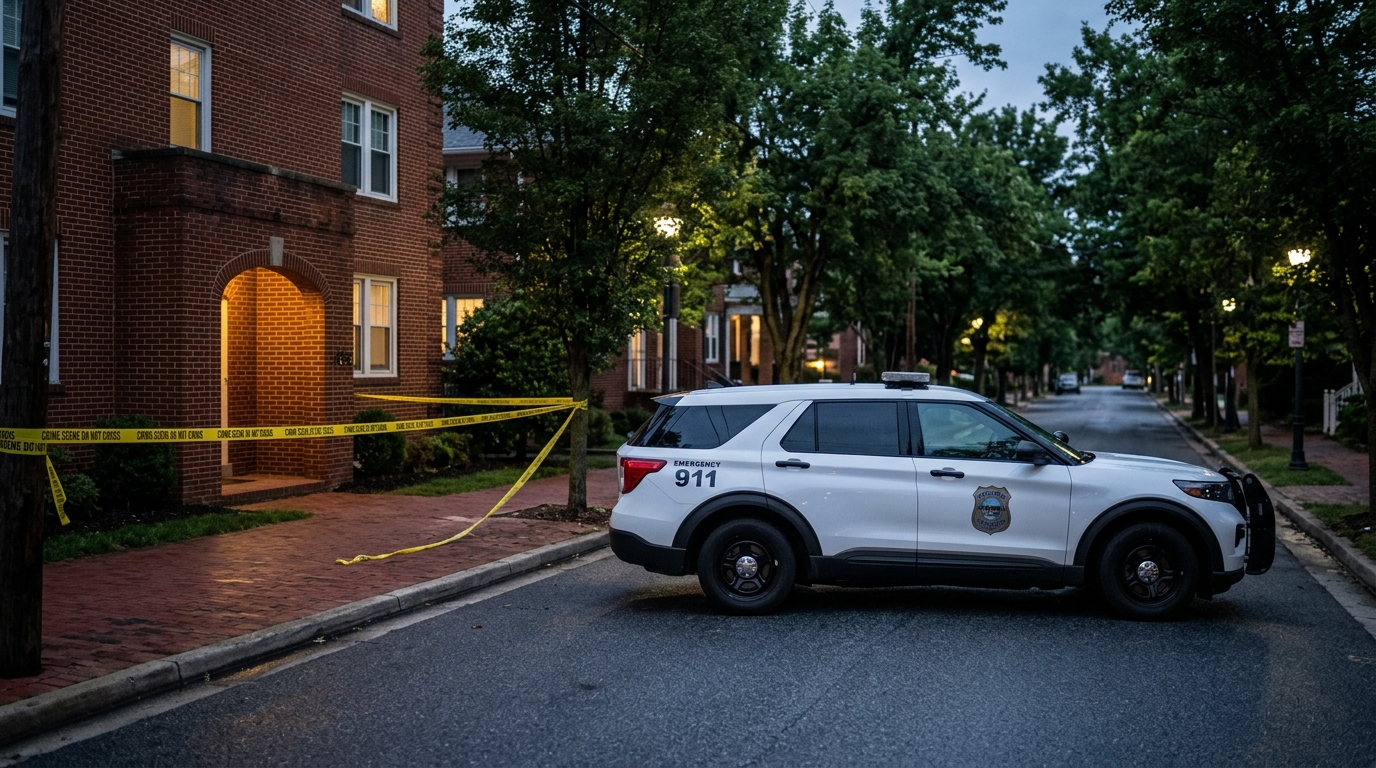
Annapolis Man Faces Federal Charges After Homemade Explosive Found in Apartment
An Annapolis man, Lee Christopher Ralston, is facing serious federal charges after a "pipe bomb" and bomb-making materials were allegedly discovered in his apartment during a police search. The incident highlights a joint investigation by Annapolis Police, Anne Arundel County Fire, and federal agents from the ATF and U.S. Attorney's Office, with Ralston potentially facing decades in prison.

Virginia Lawmakers, Rep. Spanberger Tackle Loss of Federal Healthcare Funds for Transgender Youth
Virginia lawmakers and U.S. Representative Abigail Spanberger are actively addressing the significant implications of lost federal healthcare funds for transgender youth across the Commonwealth. This development raises concerns for families and healthcare providers about access to vital gender-affirming care and mental health support.