Rep. Don Beyer Blasts GOP Over Refusal to Defend Congressional War Powers
Share this article
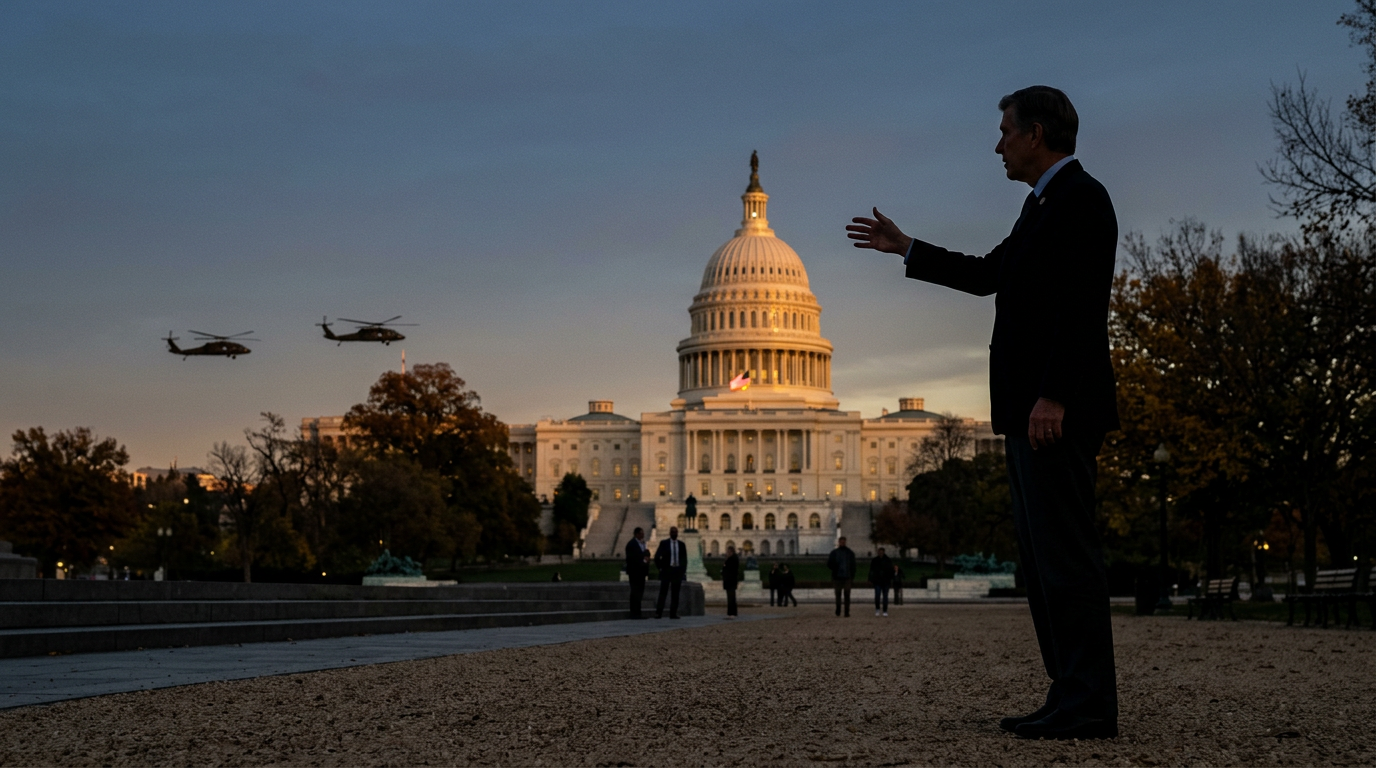
Congressman Don Beyer (D-Va.), representing Virginia's 8th congressional district, recently voiced strong criticism against House Republicans for their alleged refusal to engage in a defense of Congress's constitutional war powers. The move highlights ongoing tensions between the legislative and executive branches concerning military authority, a debate with significant implications for the DMV region, home to a large federal workforce and military community.
According to ARLnow.com, Representative Beyer and fellow House Democrats took to the floor to assert Congress's role in authorizing military action, only to be met with a lack of engagement from the Republican side. This procedural standoff underscores a persistent disagreement over the balance of power in declaring and conducting war.
Defending Article I: The Constitutional Basis
The U.S. Constitution explicitly grants Congress the power to declare war, raise and support armies, provide and maintain a navy, and make rules for the government and regulation of the land and naval forces, as outlined in Article I, Section 8. These provisions establish Congress as the primary authority for initiating armed conflict. However, presidential actions, particularly since World War II, have often led to military engagements without a formal congressional declaration of war, relying instead on resolutions, authorizations for the use of military force (AUMFs), or inherent executive powers.
For Representative Beyer and his Democratic colleagues, their recent floor action was an attempt to reaffirm this foundational principle. They sought to ensure that any decision to commit U.S. forces abroad receives thorough debate and explicit approval from the legislative body closest to the American people.
"Rep. Don Beyer (D-Va.) said he and other House Democrats went to the floor to defend Congress’s constitutional war powers but Republicans refused." — ARLnow.com Staff (ARLnow.com)
The Republican Stance and Procedural Gridlock
The refusal by House Republicans to participate in the debate, as highlighted by Beyer, signals a deepening partisan divide on national security matters. While the exact reasons for their non-engagement were not detailed, such actions can stem from various factors, including differing interpretations of executive authority, strategic political calculations, or a desire to avoid contentious votes. Critics of executive overreach often argue that bypassing Congress diminishes democratic accountability and can lead to prolonged, undeclared conflicts.
The procedural gridlock observed by Beyer underscores a broader challenge in Washington: the difficulty of achieving bipartisan consensus on critical foreign policy and defense issues. When one party declines to engage in a debate on constitutional powers, it can be perceived as an erosion of the checks and balances designed to prevent unilateral action by any single branch of government. This dynamic affects legislative progress across a range of issues, from defense spending to international relations.
Connecting Federal Debates to DMV Residents
Representative Beyer's district, Virginia's 8th, is intimately connected to federal government operations and national security. The health of democratic institutions, including the appropriate balance of war powers, directly influences the morale and readiness of the federal workforce and military personnel residing here. When Congress actively asserts its constitutional role, it reinforces the principle that military action should be a collective decision, reflecting the will of the people through their representatives.
The ongoing struggle for congressional oversight in military matters is a critical topic for voters who value democratic processes and accountability. As Beyer and other Democrats continue to advocate for a stronger congressional role, their efforts resonate deeply within the DMV, where the consequences of national security decisions are often felt first-hand. Understanding the nuances of these debates empowers residents to hold their elected officials accountable and advocate for policies that uphold the constitutional framework for war and peace. For more information on legislative activities, constituents can visit Rep. Don Beyer's official House website.
Looking Ahead
The incident highlighted by Representative Beyer is a snapshot of a much larger, ongoing debate about the separation of powers and the future of American foreign policy. As global challenges evolve, the question of who decides when and how the nation goes to war remains central to the integrity of the U.S. political system. Residents of the DMV, particularly those in Beyer's district, will continue to watch closely as these constitutional battles play out on Capitol Hill, knowing that the outcomes have tangible effects on their lives and communities.
Explore more on this topic
Related Stories
Councilmember Janeese Lewis George Urges Caution on Waymo Legislation, Citing DC's Jobs Crisis
Ward 4 Councilmember Janeese Lewis George has urged the DC Council to pump the brakes on Waymo legislation this year, warning that rushing autonomous vehicle laws could worsen the city's "jobs crisis" by displacing workers. She emphasizes the need to prioritize safety and worker support alongside technological advancement.
Ousted Board of Appeals Chair Sues Howard County Council, Office of Law
Howard County's ousted Board of Appeals chair has filed a lawsuit against the County Council and the Office of Law, initiating a significant legal challenge within the local government structure. This action highlights internal administrative disputes and brings the county's appointment and oversight processes into public scrutiny.