Quackenbos Street: Unraveling the Capital's Enduring Pronunciation Puzzle for DC Residents
Share this article
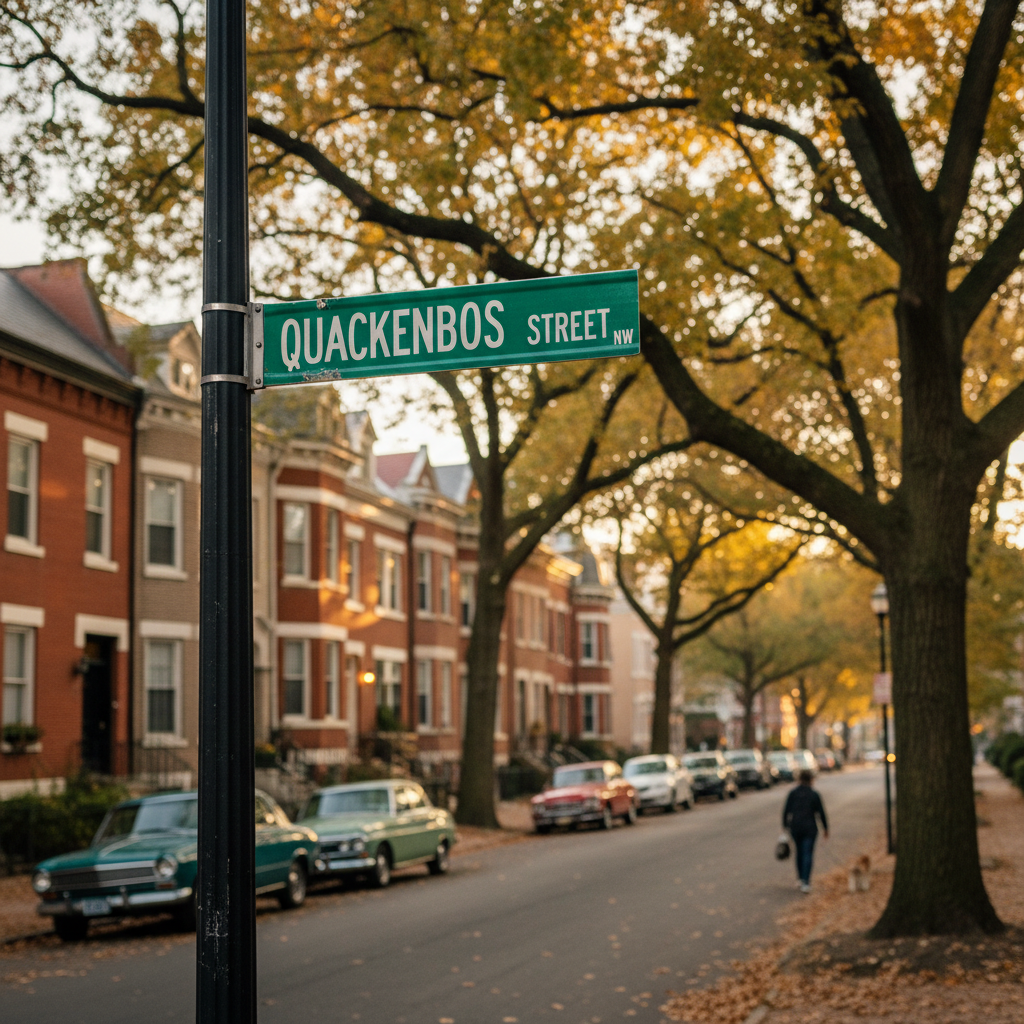
In the vibrant tapestry of Washington, D.C.'s historic streets, each name whispers a story, often carrying the weight of generations and the gentle hum of everyday life. Yet, some names, steeped in the city's unique character, present a charming quandary, a subtle linguistic challenge that sparks conversation and community debate. Such is the case with Quackenbos Street, a thoroughfare whose very utterance has become a delightful point of contention among its residents and beyond.
The latest chapter in this enduring local mystery unfolded when a new resident, having just settled into a house on Quackenbos Street with their partner, sought clarity from the community. Their query, shared through a popular local blog, laid bare the delightful dilemma: how, precisely, does one pronounce "Quackenbos"? Is it the crisp, decisive "quack-en-BOSS," or does it soften into the more melodic "quack-en-BOSE"? This question, seemingly small, speaks to a deeper desire to connect with the city's soul, to speak its language with authenticity.
A New Home, A Lingering Question
The couple's recent move to Quackenbos Street, nestled within one of D.C.'s many distinctive neighborhoods, brought with it not just the joy of a new beginning but also a shared bewilderment over their new address's aural identity. This isn't merely a matter of semantics; for many, correctly pronouncing a local street name is a quiet badge of belonging, a nod to the city's rich history and its often idiosyncratic nomenclature. D.C.'s street grid itself is a testament to careful planning and historical homage, often named for states, prominent figures, or local families. Understanding these names, down to their very sound, is part of understanding the city itself.
The uncertainty surrounding Quackenbos Street's pronunciation echoes similar debates that have long animated discussions about other D.C. landmarks and names. From the subtle nuances of "Potomac" to the often-mispronounced "Chillum," the city's residents frequently find themselves engaging in good-natured linguistic sparring. These moments, like the one sparked by the Quackenbos query, are not just about sounds; they are about shared identity, collective memory, and the ongoing conversation that shapes a community.
The Echoes of History in Every Syllable
Many of D.C.'s street names carry the legacy of early landowners, civic leaders, or historical events. The Quackenbos family, of Dutch descent, were among the early European settlers in the New York area, and their name, like many others of that era, eventually made its way into the fabric of American place names. The way these names evolved in spoken language, often far from their original linguistic roots, contributes to their unique pronunciations today. Exploring the origins of such names can sometimes offer clues, though spoken tradition often holds more sway than etymological purity in local parlance. For those interested in the deep history behind the city's streets, the DC History Center offers invaluable insights into the people and stories that shaped Washington's landscape.
The community's engagement with the Quackenbos pronunciation question underscores the vibrant, participative spirit of D.C. residents. It’s a reminder that a city is not just its buildings and monuments, but also the collective voices of those who call it home, defining and redefining its character one shared conversation at a time. The answers, whether leaning towards "BOSS" or "BOSE," will ultimately be forged in the daily interactions of neighbors and the enduring traditions passed down through the generations, a testament to the living history of the nation's capital.
"My husband and I just bought a house on Quackenbos Street. There is a point of contention: Is it pronounced quack-en-BOSS or quack-en-BOSE? We've heard both pronunciations and Google isn't giving a well-cited answer." — A New Resident (PoPville)
As residents weigh in, contributing their own experiences and anecdotal evidence, the discussion around Quackenbos Street becomes more than just a linguistic exercise. It transforms into a collective affirmation of the city's unique charm, a place where even the smallest detail, like the sound of a street name, can foster a sense of belonging and community. For more on D.C.'s street naming conventions and their historical significance, resources like the National Park Service's historical accounts provide a fascinating backdrop to these local curiosities. Understanding these local quirks is part of embracing the full, rich experience of living in the District, making every turn onto a familiar street a subtle act of cultural immersion.
Explore more on this topic
Related Stories
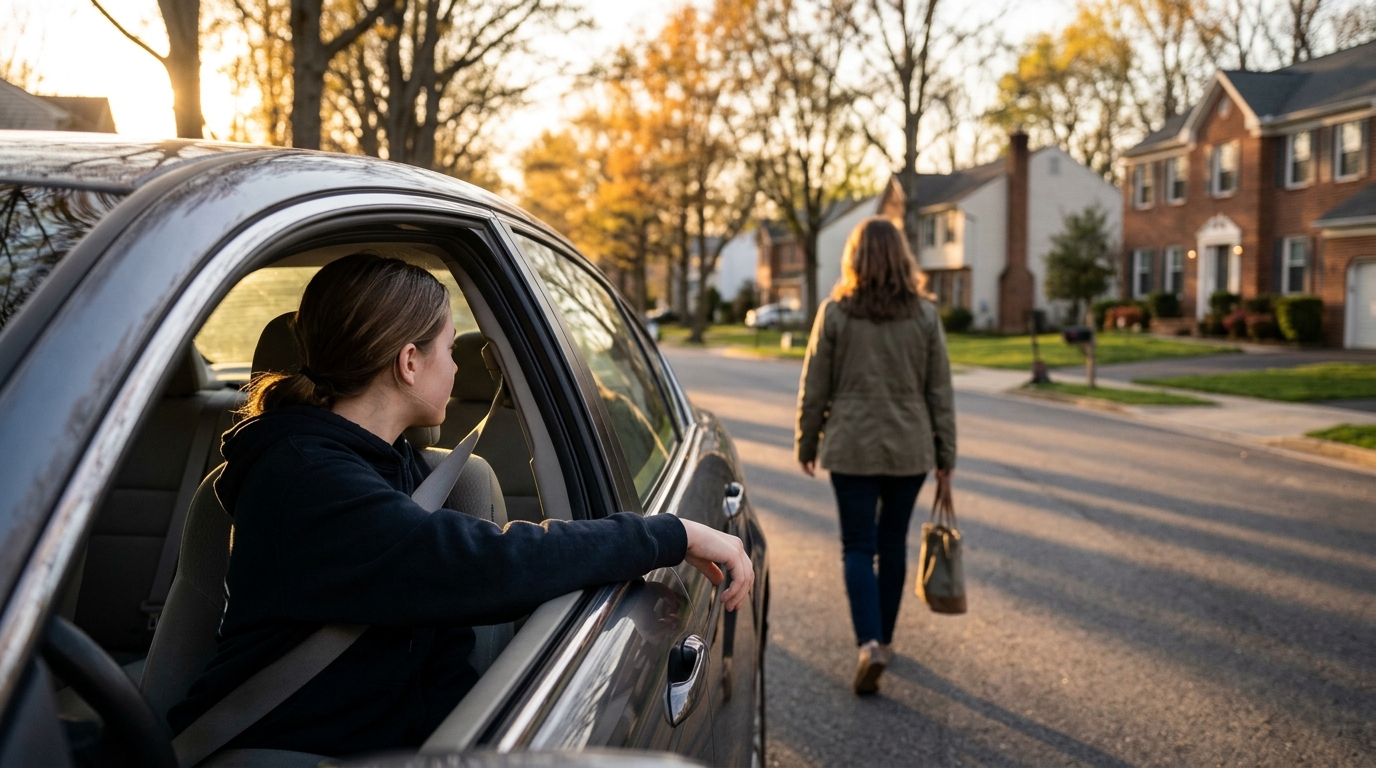
Virginia Mom Channels Grief into Lifesaving Seatbelt Advocacy for Teens
A Virginia
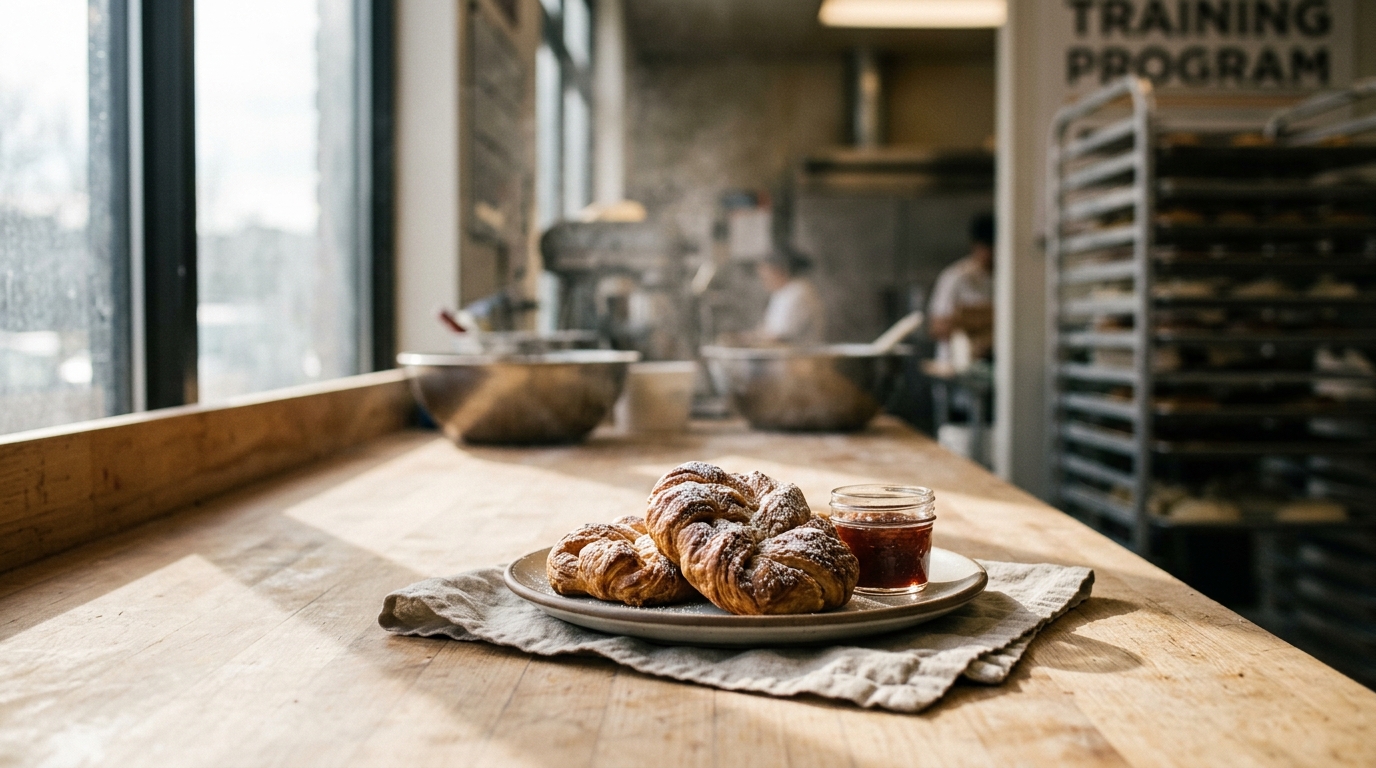
Maryland Bakery Rebrands, Expands Training for Adults with Disabilities
Dupont Circle Braces for Annual 'Epic' Rummage Sale at St. Margaret's Episcopal Church This Saturday
St. Margaret's Episcopal Church in Dupont Circle is holding its "epic" annual rummage sale this Saturday, October 17. The one-day event promises clothing, jewelry, housewares, and more, with all proceeds supporting church ministries and donations benefiting local nonprofits like Charlie's Place.