Community
Prince William County Divided Over Proposed Data Center Expansion
Share this article
Advertisement
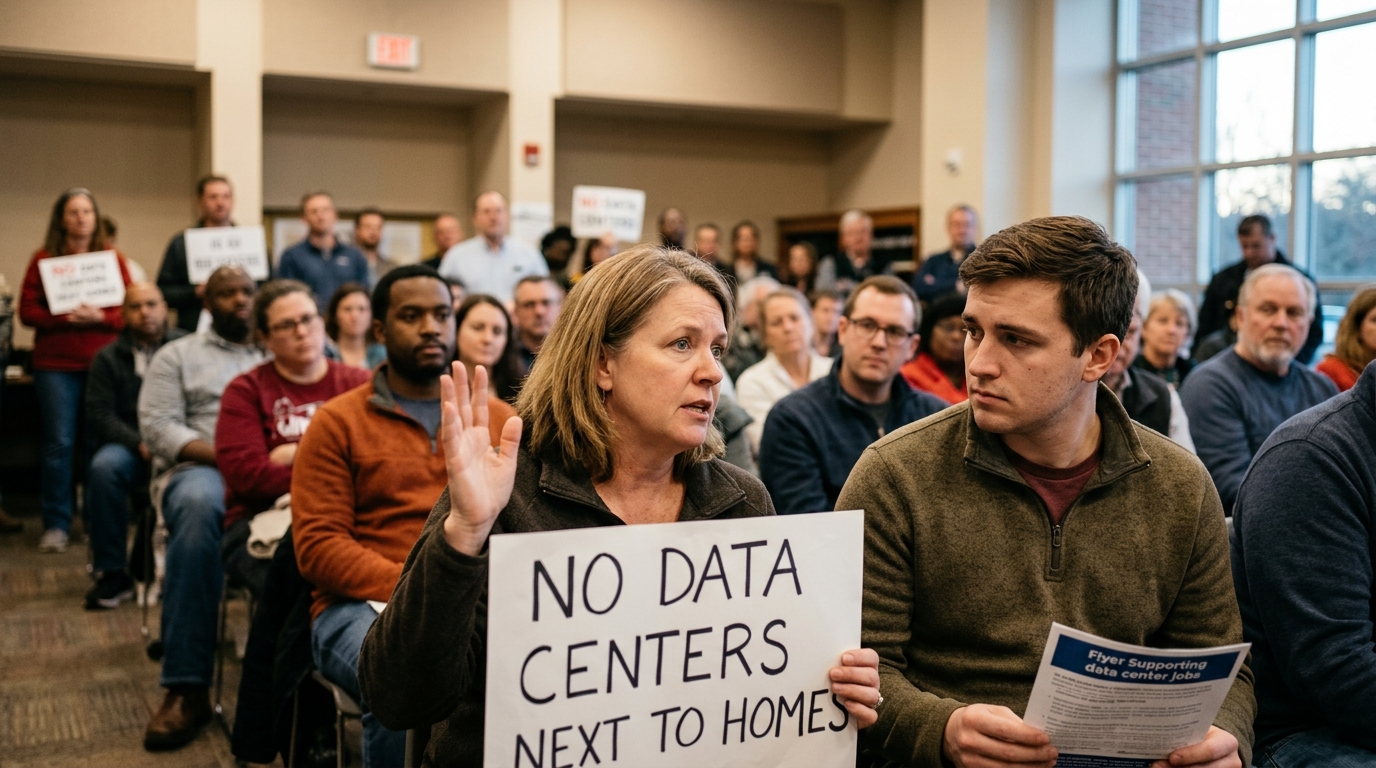
A significant debate is unfolding in Prince William County as residents and officials grapple with proposals for new data center developments across the area. These projects, often massive in scale, are sparking conversations about economic growth versus the preservation of the county's character and environmental resources. The discussion isn't new to the Northern Virginia region, which has become a global hub for data centers, earning it the moniker "Data Center Alley." However, the sheer volume and location of these new proposals in Prince William County are intensifying scrutiny, prompting residents to weigh the benefits of increased tax revenue and potential job creation against concerns about noise, visual blight, energy consumption, and the fundamental alteration of the landscape.
The Scale of Modern Data Centers
Modern data centers are far from small server rooms. They are sprawling industrial complexes, often occupying hundreds of acres and requiring immense power infrastructure. These facilities are essential for the digital age, housing the servers, networking equipment, and storage systems that power everything from streaming services and cloud computing to artificial intelligence. Their presence in the DMV region is partly due to its proximity to federal government operations and robust fiber optic networks.Prince William County is at a critical juncture, balancing the economic allure of data centers with the desire to maintain its unique character.
For Prince William County, the proposals represent a substantial land use change. Areas historically zoned for agricultural or residential use could be transformed into these industrial powerhouses. Such a shift brings with it complex questions about long-term planning, traffic patterns, and the strain on existing utilities, particularly water and electricity. The county's comprehensive plan and zoning ordinances are at the heart of this discussion, as any major development requires careful review and, often, amendments to these foundational documents. Economic Promise vs. Community Concerns
Proponents of the data center developments highlight the significant economic benefits they can bring. Data centers are known for generating substantial tax revenue for local governments, primarily through real estate taxes and business personal property taxes on the expensive equipment housed within them. This revenue can then be used to fund schools, public safety, and other essential county services, potentially easing the tax burden on residents. The construction phase also creates temporary jobs, and the operational facilities require a smaller, but highly skilled, workforce. However, many residents and environmental advocates express deep reservations. Concerns frequently voiced include the impact on property values for homes adjacent to these developments, increased noise from cooling systems, and the visual intrusion of large, windowless buildings. Environmental worries are also paramount, particularly regarding the massive energy consumption of data centers, which contributes to carbon emissions, and their significant water usage for cooling. Residents also fear the loss of green space and the rural aesthetic that many cherish in parts of Prince William County. The county government finds itself in a challenging position, tasked with balancing economic development goals with community desires and environmental stewardship. Public hearings and community meetings have become vital forums for residents to voice their opinions, offering both support and opposition to specific projects. The outcomes of these discussions will shape the future landscape and economy of Prince William County for decades to come. Understanding the full scope of these developments requires a look at the county's Planning Office, which outlines zoning and land use regulations.The Path Forward for Prince William County
As Prince William County navigates these complex proposals, the decisions made by the Board of County Supervisors will have lasting repercussions. The county must consider not only the immediate financial gains but also the long-term environmental sustainability and the quality of life for its residents. The debate underscores a broader regional challenge: how to accommodate the relentless growth of the digital economy while preserving local character and natural resources. Residents interested in staying informed or participating in the discussion can monitor the Prince William County Board of County Supervisors meeting schedules and agendas. These meetings are where zoning applications are reviewed, and public input is formally considered. The future of Prince William County's landscape, economy, and community identity hangs in the balance as these crucial decisions unfold. For a broader perspective on the energy demands of such facilities, resources like the U.S. Energy Information Administration provide data on electricity consumption trends.📍 Local Resources
Prince William County Planning Office
Provides information on zoning, land use plans, and current development applications.
📞 Phone: (703) 792-7615
🌐 Website: pwcva.gov/planning
📍 Location: 5 County Complex Ct, Prince William, VA 22192
🕐 Hours: Mon-Fri 8am-5pm
Prince William County Citizen Information Center
A central hub for general inquiries and connecting residents with county services and information.
Prince William Conservation Alliance
A non-profit organization focused on preserving natural resources and open space in Prince William County.
Advertisement