Community
Alexandria
Potomac River Businesses Still Reeling Months After Sewage Spill
Share this article
Advertisement
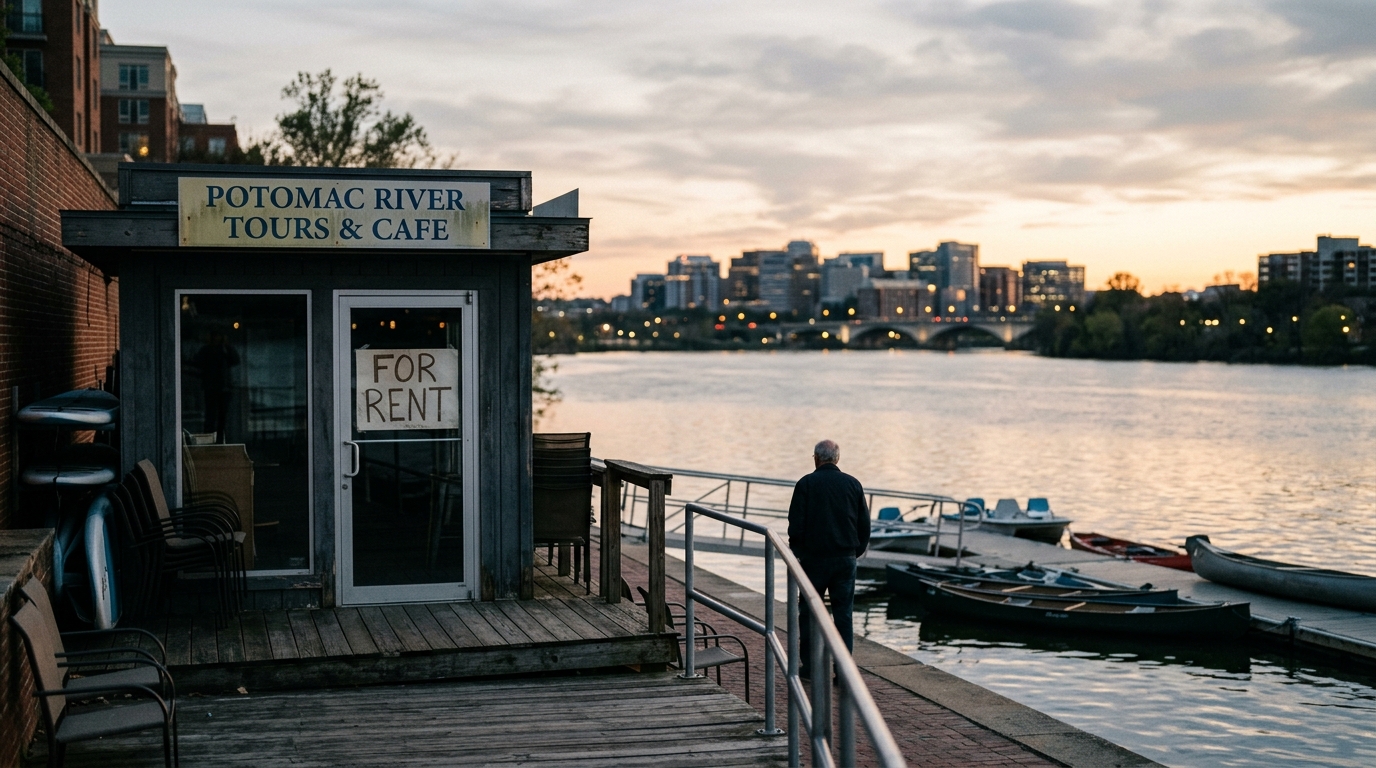
Months after a significant sewage spill tainted the Potomac River, the water might be clearing, but the economic tide for local businesses remains stubbornly low. While official advisories against recreational activities have largely been lifted, the lingering perception of contamination continues to cast a long shadow over companies that rely on the river's appeal [1]. Imagine a beautiful spring day on the Potomac, perfect for kayaking or a scenic boat tour. Now, imagine a potential customer hesitating, picturing a past incident rather than the present clear waters. That's the challenge many DMV businesses are grappling with, struggling to regain trust and revenue lost to an environmental event that's technically over, but mentally persists.
The lasting impact of the Potomac River sewage spill serves as a stark reminder of how environmental incidents can create far-reaching economic ripples long after the immediate crisis has passed. For DMV residents, supporting these local businesses by returning to river-based activities, once confident in the official safety assessments, will be key to their recovery. Keep an eye on local government announcements and business initiatives as they work to navigate these challenging waters.
The Aftermath: Advisories Lifted, Perception Lingers
The initial sewage spill prompted urgent warnings, advising residents and visitors to avoid contact with affected sections of the Potomac River. These advisories were crucial for public safety, but they also dealt a severe blow to the region's vibrant recreational economy DC's Department of Energy and Environment often issues such alerts when water quality is compromised. Now, most of those official warnings have been rescinded, signaling that water quality has returned to acceptable levels for recreational use [1]. However, the damage to public perception hasn't evaporated as quickly as the contaminants. News of a sewage spill sticks in people's minds, creating an invisible barrier that keeps potential customers away from boat rentals, fishing charters, riverside restaurants, and other businesses dependent on the river's pristine image. It’s a classic case where the reality on the ground (cleaner water) clashes with the reality in people's heads (lingering fear).Months after a major sewage spill in the Potomac River, local businesses are still seeing reduced customer traffic due to public perception, despite lifted recreational advisories.
Economic Ripples Through the DMV
The Potomac River is more than just a waterway; it's a critical artery for local tourism and recreation, supporting countless small businesses from Georgetown to Old Town Alexandria and beyond. Think of the kayak and paddleboard rental shops along the waterfront, the tour boat operators offering scenic cruises, or the restaurants with prime river views. Each of these enterprises felt the immediate pinch when the spill occurred, and many are still feeling it now [1]. When customers decide to take their leisure activities elsewhere, perhaps to a land-based park or a different body of water, it translates directly into lost revenue for these local establishments. This isn't just about a few bad weeks; it's about a sustained downturn that can jeopardize livelihoods and even lead to permanent closures if the trend continues. Small businesses often operate on tight margins, and a prolonged dip in customer engagement can be devastating. Understanding and monitoring Potomac River water quality is a continuous effort by various groups, highlighting the importance of clear communication to the public.Rebuilding Trust and Livelihoods
For businesses to fully recover, there needs to be a concerted effort to rebuild public trust. This often involves clear, consistent communication from local authorities about water quality testing and the safety of recreational activities. It also means businesses themselves need to find creative ways to reassure their clientele, perhaps through special promotions, transparent information about water conditions, or highlighting their commitment to environmental stewardship. The challenge lies in overcoming the "out of sight, out of mind" dynamic – but in reverse. The spill might be out of sight, but it's not out of mind for many residents. Local governments, like the Maryland Department of the Environment, play a crucial role in not only mitigating such incidents but also in the long-term communication about environmental health to support local economies.📍 Local Resources for Businesses
DC Department of Small and Local Business Development (DSLBD)
Offers programs and resources to help small businesses grow, including financial assistance and technical support.
📞 Phone: (202) 727-3900
🌐 Website: dslbd.dc.gov
📍 Location: 441 4th St NW, Suite 850N, Washington, DC 20001
🕐 Hours: Mon-Fri 8:30am-5pm
Virginia Small Business Development Center (SBDC) Network
Provides free business counseling, training, and resources to help Virginia businesses start, grow, and thrive, including recovery assistance.
📞 Phone: (703) 277-7700
🌐 Website: virginiasbdc.org
📍 Location: Various centers across Virginia (check website for closest)
🕐 Hours: Varies by center
Maryland Small Business Development Center (SBDC)
Offers expert business consulting and training to foster growth and economic development for small businesses in Maryland.
📞 Phone: (301) 403-8300
🌐 Website: marylandsbdc.org
📍 Location: Various centers across Maryland (check website for closest)
🕐 Hours: Varies by center
Advertisement
Explore more on this topic
Related Stories

Community
Virginia Mom Channels Grief into Lifesaving Seatbelt Advocacy for Teens
Arlington County·Community
A Virginia
3 days ago4 min read

Community
Maryland Bakery Rebrands, Expands Training for Adults with Disabilities
Montgomery County·Community
4 days ago4 min read
Community
Dupont Circle Braces for Annual 'Epic' Rummage Sale at St. Margaret's Episcopal Church This Saturday
Community
St. Margaret's Episcopal Church in Dupont Circle is holding its "epic" annual rummage sale this Saturday, October 17. The one-day event promises clothing, jewelry, housewares, and more, with all proceeds supporting church ministries and donations benefiting local nonprofits like Charlie's Place.
4 days ago4 min read