Ospreys Return to Potomac and Chesapeake Bay: A DMV Wildlife Success Story
Share this article
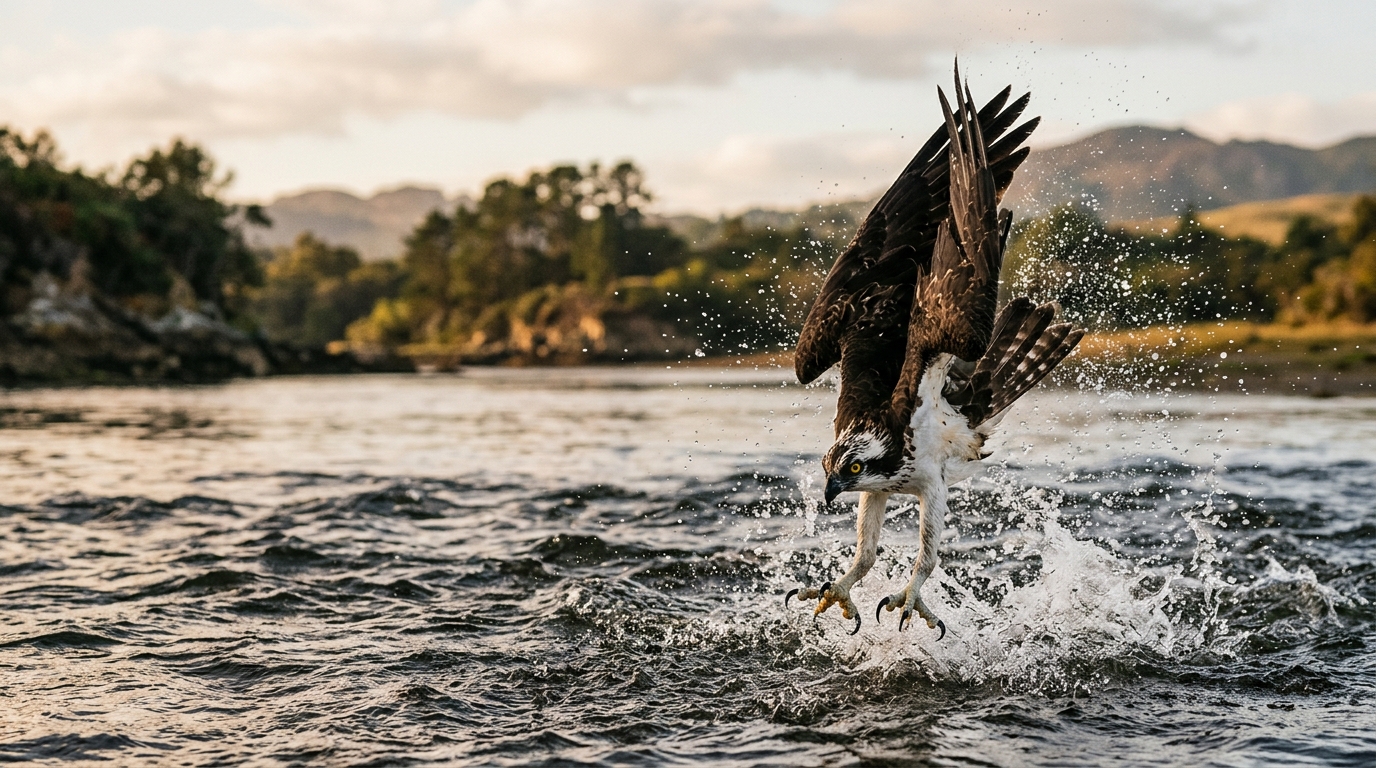
The sight of an osprey plunging talons-first into the water to snatch a fish is a quintessential scene across the DMV's waterways, especially as these magnificent birds return for their breeding season. A recent striking photograph from RVAHub captured just such a moment, highlighting the incredible hunting prowess of these raptors [1]. This powerful image serves as a reminder of the vibrant wildlife that thrives within our region, particularly the ongoing comeback of the osprey in the Chesapeake Bay watershed.
For residents across Washington, D.C., Maryland, and Virginia, the osprey's presence is a testament to dedicated conservation efforts. Once severely impacted by pesticide use, particularly DDT, the "fish hawk" has made a remarkable recovery, becoming a common sight soaring over rivers, estuaries, and coastal areas from the Potomac River to the vast expanse of the Chesapeake Bay.
The Chesapeake Bay's Resilient Fishermen
Ospreys (Pandion haliaetus) are unique among raptors, with specialized adaptations for hunting fish. Their sharp, barbed talons and reversible outer toes allow for a secure grip on slippery prey. Their dives are often spectacular, plunging feet-first into the water from heights of 30 to 100 feet. This distinctive hunting style is what makes them such a captivating subject for wildlife enthusiasts and photographers alike.
The Chesapeake Bay region is one of the most important osprey breeding grounds on the East Coast. Each spring, thousands of these migratory birds return from their wintering grounds in Central and South America to nest on platforms, dead trees, and even navigation markers throughout the Bay and its tributaries. Their return signals the onset of warmer weather and renewed aquatic activity, bringing life and dynamism to the local ecosystem.
A Triumph of Conservation
The story of the osprey in the DMV is a significant conservation success. In the mid-20th century, osprey populations plummeted due to the widespread use of DDT, which caused eggshells to thin and break, severely impacting reproductive rates. Following the ban of DDT in the United States in 1972, and with concerted efforts from environmental agencies and local communities to provide artificial nesting platforms, the osprey population began to rebound dramatically.
Today, the Chesapeake Bay region boasts one of the densest osprey populations globally, with an estimated 8,000 to 10,000 breeding pairs. This resurgence is a beacon of hope, demonstrating that focused conservation initiatives can lead to the recovery of endangered species and the revitalization of ecosystems. Organizations like the Chesapeake Bay Foundation have played a crucial role in advocating for the health of the Bay, which directly benefits species like the osprey.
Where to Spot Ospreys in the DMV
For DMV residents eager to witness these majestic birds firsthand, numerous local spots offer prime viewing opportunities. In Virginia, areas along the Potomac River, such as Mason Neck State Park in Fairfax County, and the various rivers feeding into the Bay like the Rappahannock and James Rivers, are excellent for osprey watching. The tidal marshes and creeks are particularly favored nesting and hunting grounds.
Maryland residents can find abundant ospreys along the Eastern Shore, particularly in areas like Blackwater National Wildlife Refuge near Cambridge, and throughout the extensive network of state parks and natural areas bordering the Bay. Even within the urban landscape of Washington, D.C., ospreys can be seen along the Anacostia and Potomac Rivers, especially near the National Arboretum or Roosevelt Island, where they occasionally nest on established structures.
The Maryland Department of Natural Resources and the Virginia Department of Wildlife Resources regularly monitor osprey populations and offer resources for wildlife enthusiasts. Observing an osprey dive and emerge with its catch is a powerful reminder of the delicate balance of nature and the success that can be achieved through environmental stewardship. As spring progresses, DMV residents have a front-row seat to this incredible natural spectacle.
📍 Local Resources for Wildlife Enthusiasts
Dedicated to restoring and protecting the Chesapeake Bay. Offers educational programs and advocacy.
Promotes the conservation and restoration of natural ecosystems, focusing on birds and other wildlife through education and advocacy.
Manages wildlife and inland fisheries for the Commonwealth of Virginia. Provides information on wildlife viewing and conservation.
Manages Maryland's natural resources. Offers information on state parks, wildlife management areas, and conservation efforts.