A Glimpse into Old Town's Past: The 1876 Opening of Leatherland's Brass Foundry on Queen and Lee Streets
Share this article
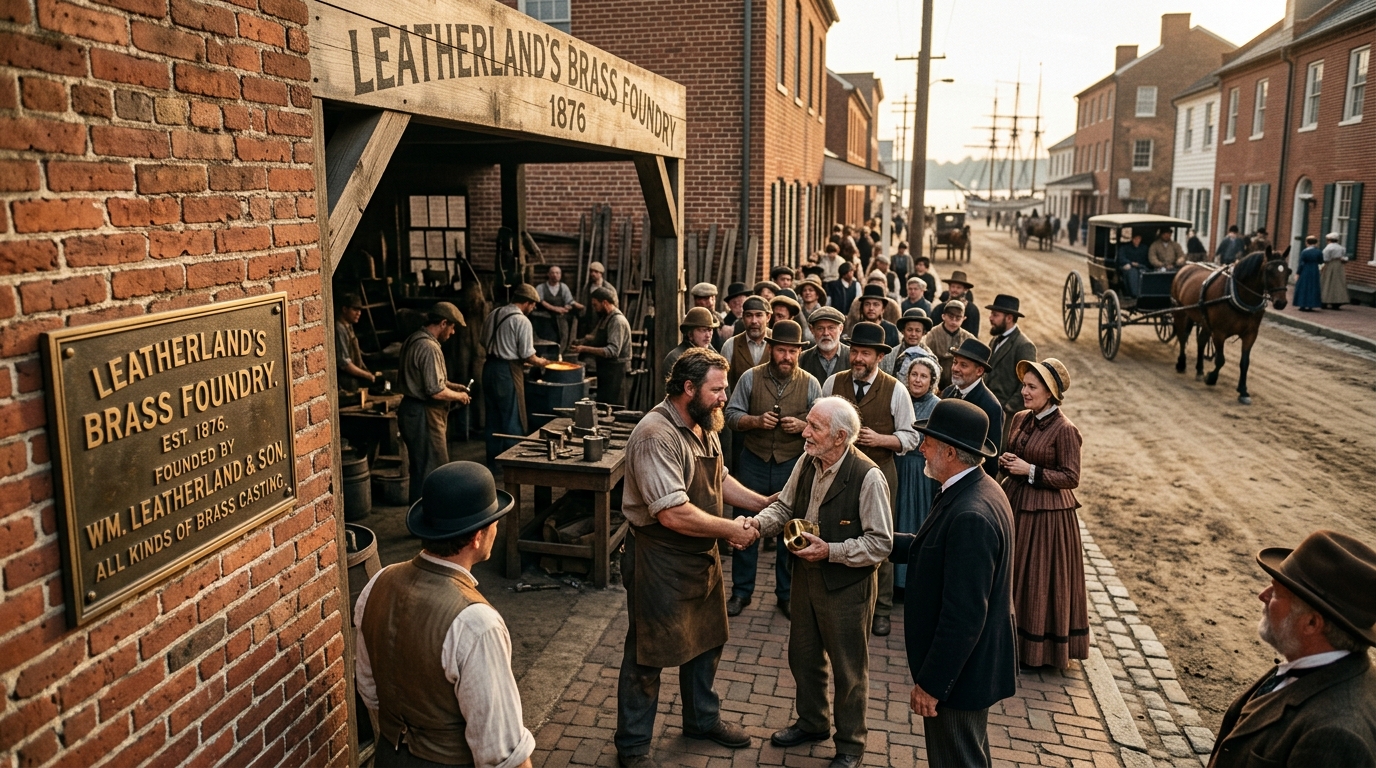
Alexandria, Virginia, a city steeped in history, often reveals its past through architectural details and enduring streetscapes. A recent historical note from ALXnow transports us back to April 13, 1876, highlighting a significant moment in the city's industrial and commercial development: the opening of a new brass foundry by building supply entrepreneur John Leatherland and his son, John W. Leatherland, at the prominent intersection of Queen and Lee Streets [1].
This single historical entry offers a fascinating window into Alexandria during the post-Civil War Reconstruction era, a period marked by economic rebuilding and burgeoning industrial activity across the nation. The establishment of such a specialized business speaks volumes about the city's evolving needs and the entrepreneurial spirit that fueled its growth.
Alexandria's Post-War Economic Landscape
By 1876, Alexandria was well into its recovery from the ravages of the Civil War. The city, strategically located on the Potomac River, had long been a hub for trade and commerce. The post-war years saw a renewed focus on local industry and infrastructure, moving beyond its traditional role as a port city to embrace manufacturing and specialized trades. Businesses like the Leatherlands' brass foundry were crucial in this transformation, providing essential materials for construction and other growing sectors.
The decision by the Leatherlands, already involved in building supplies, to open a brass foundry underscored the increasing demand for durable and decorative metal components. Brass, known for its workability, corrosion resistance, and aesthetic appeal, was a highly sought-after material for everything from plumbing fixtures and hardware to decorative elements in homes and public buildings.
The Significance of a Brass Foundry in 19th-Century Alexandria
A brass foundry in the late 19th century was a critical industrial operation. It would have melted and cast brass into various forms, supporting the construction industry directly linked to the Leatherlands' existing building supply venture. These products could include door handles, hinges, escutcheons, window fittings, and even components for machinery or marine applications, given Alexandria’s riverfront location. The local production of such goods reduced reliance on distant suppliers, fostering self-sufficiency and economic stability within the community.
The intersection of Queen and Lee Streets, then as now, was a prime location for commerce. Old Town Alexandria, with its grid of historic streets, was a vibrant center of activity. Establishing a foundry at such a prominent corner suggests a clear intention to serve the local market efficiently, making it accessible for builders and residents seeking quality metalwork.
The Enduring Legacy of Local Entrepreneurs
Entrepreneurs like John Leatherland and his son played a pivotal role in shaping the physical and economic fabric of cities like Alexandria. Their willingness to invest in new ventures, adapt to market demands, and provide essential services contributed to the city's resilience and long-term prosperity. While specific details about the Leatherland family's operations beyond this historical note may be scarce, their initiative reflects a broader pattern of local business owners driving urban development.
Today, Old Town Alexandria retains much of its historic charm, with many buildings from the 19th century still standing. The brass fittings and hardware found in these structures could very well have originated from local foundries like the one established by the Leatherlands. Understanding these historical milestones helps residents and visitors appreciate the intricate layers of history that define Alexandria.
For those interested in delving deeper into Alexandria's rich past, the city's numerous historical societies and museums offer invaluable resources. The Office of Historic Alexandria provides extensive information on local history, while institutions like the Alexandria Historical Society actively preserve and share the stories of the city’s development. These resources help connect the dots between past events, like the opening of a brass foundry, and the vibrant community Alexandria is today. Even a seemingly small historical note can unlock a deeper understanding of the forces that shaped our local landscape.
📍 Local Resources: Exploring Alexandria's History
Dedicated to preserving and promoting Alexandria's history through museums, archaeological sites, and educational programs.
A non-profit organization focused on collecting, preserving, and disseminating knowledge about the history of Alexandria.