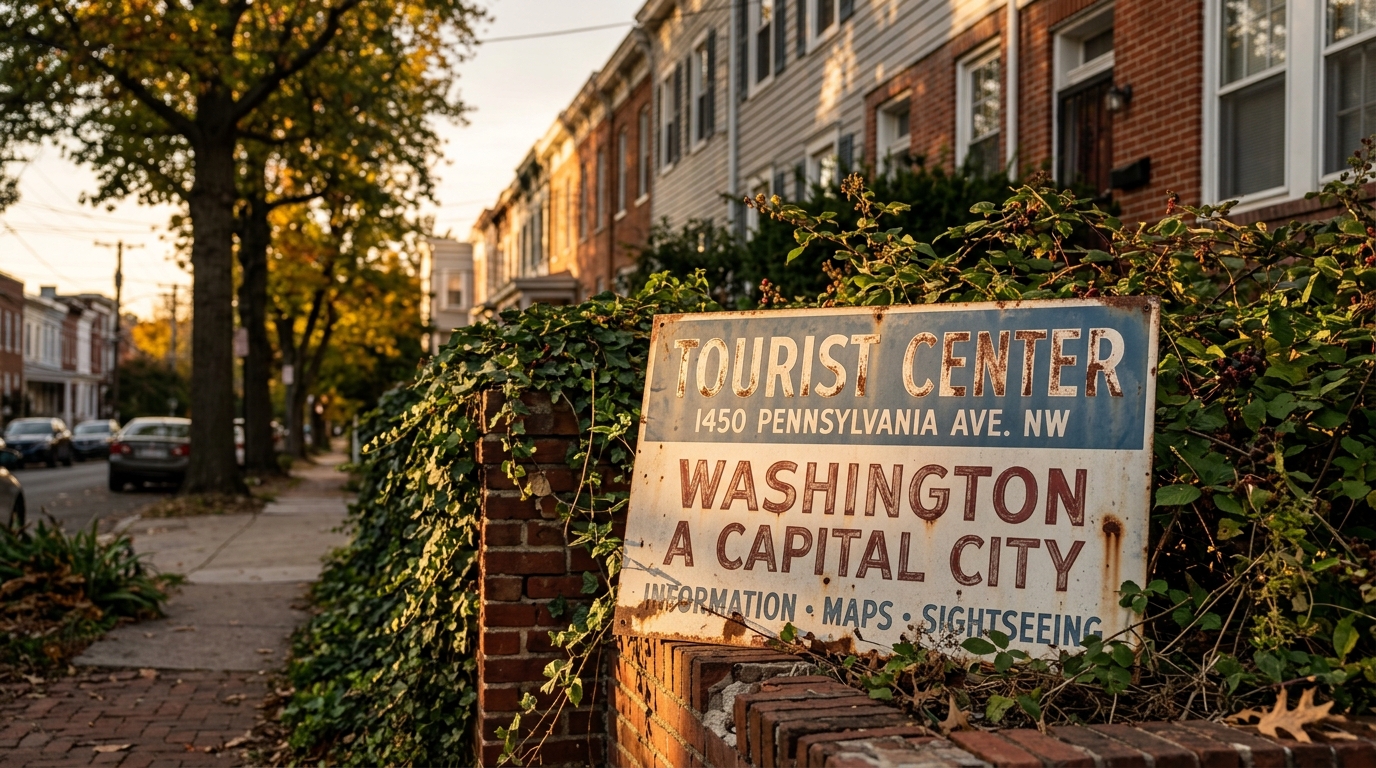
Old DC Tourist Center Sign, Bearing Vintage Slogan, Resurfaces in Recycled Find
Share this article
A Glimpse into DC's Past
The sign's address, 1450 Pennsylvania Avenue NW, immediately brings to mind the heart of downtown Washington. Today, that vicinity is home to the White House Visitor Center, a major hub for millions eager to learn about the Executive Mansion and its history. While the specific building housing the "Tourist Center" on the old sign isn't explicitly clear, its prime location suggests it served as a central information point for visitors exploring the monumental core of the city. The inclusion of "Washington a Capital City" as a tagline is particularly evocative. This slogan, less prominent in modern DC branding, harks back to an era when the city was actively distinguishing itself as both a national capital and a vibrant place to live and visit. It speaks to a time before the widespread adoption of the "Experience DC" or "My DC" campaigns, offering a straightforward, proud declaration of identity.The White House Connection
Tom, who spotted the sign, speculated that the address points to the "present day White House Visitors Center" (Popville). While the exact lineage of tourist information centers at that precise address can be complex, the general area has long been a focal point for visitor services. The White House Visitor Center, managed by the National Park Service, currently sits at 1450 Pennsylvania Avenue NW, making Tom's guess highly plausible. It’s a location that sees immense foot traffic, a natural fit for a central tourist hub. Understanding the evolution of such centers helps us appreciate how the city has adapted its hospitality and informational services over decades. From smaller, perhaps privately run operations to the robust federal facilities we see today, the goal has always been to welcome and inform those coming to experience the capital.Community's Role in Unearthing History
This discovery is part of Popville's ongoing "Archeological Finds" series, which relies on contributions from the community to unearth forgotten pieces of DC history. The series encourages residents to share old photos, signs, and other ephemera from their personal or family collections. It's a testament to how local blogs and community engagement can play a crucial role in preserving and celebrating the unique character of our neighborhoods. For many DMV residents, these finds aren't just historical curiosities; they're personal touchstones. They might evoke memories of family trips downtown, a first job, or simply a different feel to the city they call home. The collective effort to document these pieces of history helps ensure that the stories of old Washington aren't lost to time or the recycling bin. The next time you're wandering through a flea market, rummaging through an old box in the attic, or even just passing by a construction site, keep an eye out. You never know what piece of Washington, D.C.'s vibrant past might be waiting to tell its story. These small, unexpected discoveries remind us that our city's history isn't just in the grand monuments; it's also in the everyday objects that once guided its visitors and proclaimed its identity.📍 Local Resources
Dedicated to collecting, interpreting, and sharing the history of the nation's capital.
Preserves and provides access to materials documenting the history and culture of Washington, D.C.
Offers exhibits and information about the White House and its history for visitors to the capital.
Explore more on this topic
Related Stories
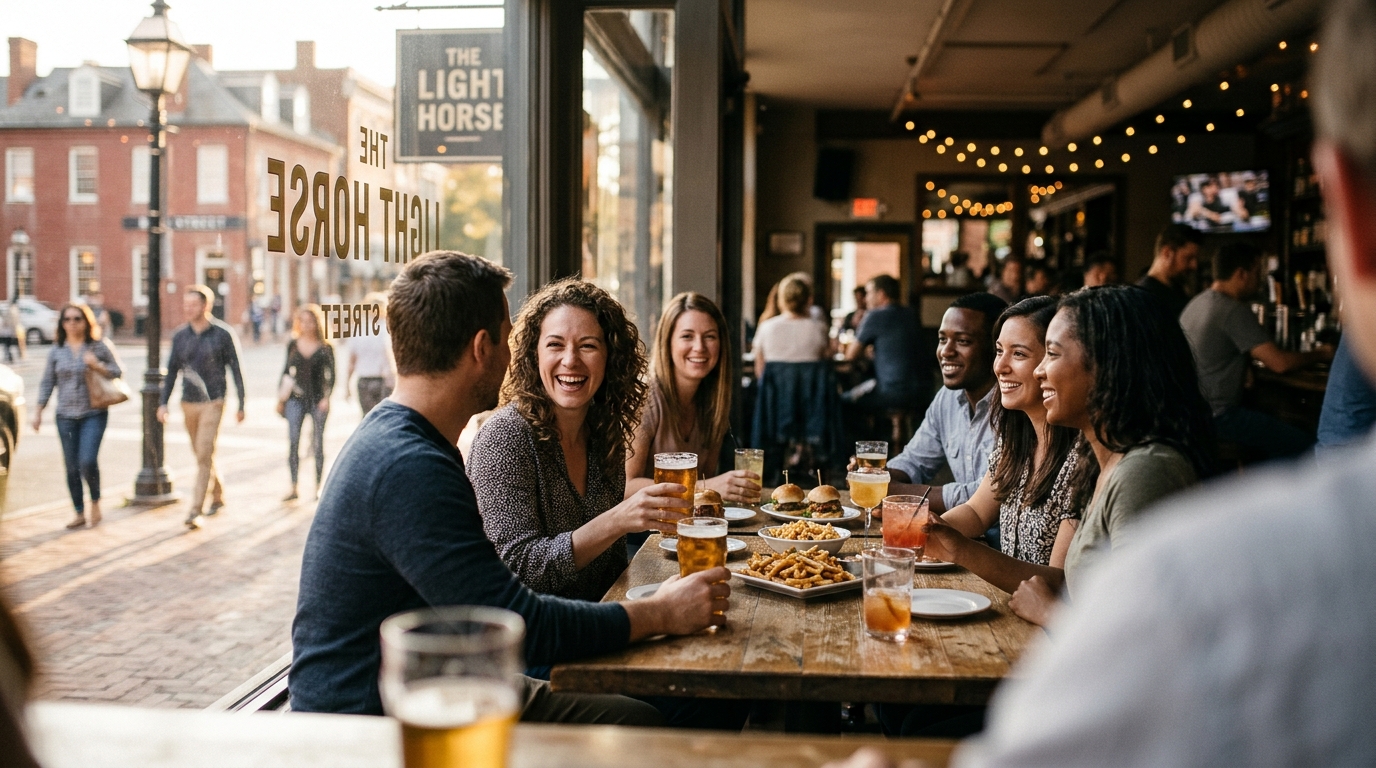
Alexandria Resident Fosters Community Through Local Happy Hour Reddit Forum
An Alexandria resident took to Reddit to organize local happy hours, successfully building a new social circle after friends moved or had kids, highlighting a creative approach to community building in the city.
DMV Home Values Plateau: What a Flat Market Means for Local Homeowners and Winter Prospects
New data reveals Washington metropolitan area home values have been flat over the past year, with median single-family home prices slightly declining year-over-year. This local trend contrasts national increases, and experts foresee potential further declines this winter.