Community
Fairfax County
Oakton Residents Push Back Against Proposed Cut-Through Road Connecting Route 123 and Hunter Mill Road
Share this article
Advertisement
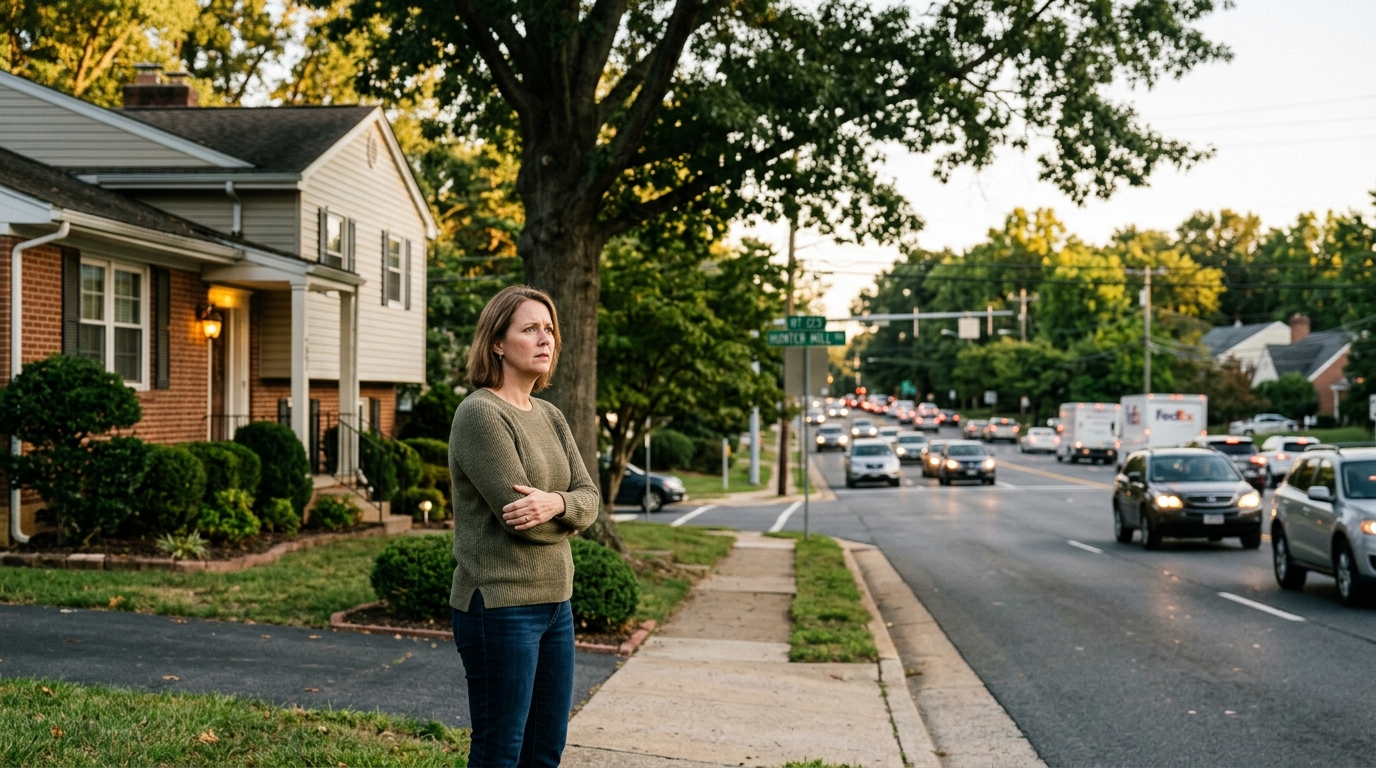
For many in Oakton, a quiet evening at home might soon be interrupted by the roar of increased traffic, as Fairfax County considers a controversial plan to create a cut-through road linking two major arteries. The proposal, which would connect Route 123 (Chain Bridge Road) with Hunter Mill Road, has sparked significant concern among local residents who fear it will transform their peaceful streets into commuter shortcuts and endanger their community. The potential new route, if approved, would funnel vehicles directly through an existing residential neighborhood, fundamentally altering the fabric of daily life for homeowners like Suli Wang, whose property could be directly impacted. This isn't just about minor inconvenience; for some, it's about the very real threat of losing their homes and the safety of their streets.
The Proposal on the Table
Fairfax County officials are currently weighing the feasibility of this new connection, aiming to alleviate congestion on primary roads. The idea is to create a more direct path between Route 123 and Hunter Mill Road, potentially easing bottlenecks at existing intersections. However, the proposed solution has a direct consequence for the residential areas caught in the middle. The plan involves utilizing an existing street within a quiet Oakton neighborhood as the conduit for this new traffic flow. While the specifics of the design are still under discussion, the core concept remains the same: transforming a local road, likely unequipped for heavy through-traffic, into a significant connector. This kind of infrastructure change often comes with a host of challenges, from increased noise and air pollution to diminished pedestrian safety. The Fairfax County Department of Transportation typically manages such projects, balancing regional traffic needs with local community impacts."There are many concerns" among residents regarding the proposed road connection.
Residents Voice Strong Opposition
The community's response has been swift and largely unified in opposition. Residents are actively mobilizing, holding meetings, and voicing their anxieties to county supervisors. Their concerns extend beyond mere inconvenience; they touch on fundamental issues of safety, property values, and quality of life."There are many concerns," — Unnamed Resident (FFXnow)One of the most pressing worries is the inevitable surge in traffic. Local streets, designed for slower speeds and neighborhood access, are ill-equipped to handle the volume and speed of commuter traffic looking for a quick bypass. This could make it dangerous for children walking to school, residents taking evening strolls, or even simply pulling out of driveways. The Virginia Department of Transportation (VDOT) often conducts traffic impact studies for such proposals, but residents argue that the inherent nature of a cut-through bypass negates many of the benefits of local road design. Beyond safety, there are significant economic implications. Increased traffic, noise, and potential changes to neighborhood character can depress property values. Furthermore, some residents, like Suli Wang, face the devastating prospect of eminent domain, where their homes could be acquired by the county to make way for the new road. This deeply personal impact often fuels the most passionate opposition to such projects.
What's Next for Oakton?
The battle over the proposed cut-through is far from over. Fairfax County officials will need to weigh the perceived benefits of traffic flow against the very real and immediate impact on the Oakton community. Public hearings and community input sessions are crucial stages in this process, providing residents with opportunities to formally express their views and influence the final decision. The Hunter Mill District Supervisor's office, which represents Oakton, will play a critical role in advocating for constituents. The outcome of this proposal will set a precedent for how Fairfax County balances regional transportation needs with the preservation of residential neighborhoods. For Oakton residents, the coming months will be a critical period of advocacy and engagement as they fight to protect their homes and community from becoming a casualty of urban planning. What happens next will depend heavily on the continued efforts of the community and the responsiveness of local government.📍 Local Resources
Fairfax County Department of Transportation (FCDOT)
Provides information on transportation planning, projects, and public engagement opportunities within Fairfax County.
📞 Phone: (703) 877-5600
🌐 Website: fairfaxcounty.gov/transportation
📍 Location: 12000 Government Center Pkwy, Fairfax, VA 22035
Hunter Mill District Supervisor's Office
Constituent services and direct contact for residents to voice concerns to their local representative on the Fairfax County Board of Supervisors.
📞 Phone: (703) 478-0283
🌐 Website: fairfaxcounty.gov/supervisors/hunter-mill
📍 Location: 1801 Cameron Glen Dr, Reston, VA 20190
Fairfax County Planning Commission
Reviews land use, zoning, and transportation plans, offering public hearings for community input on proposed projects.
📞 Phone: (703) 324-1380
🌐 Website: fairfaxcounty.gov/planningcommission
📍 Location: 12000 Government Center Pkwy, Fairfax, VA 22035
Advertisement