Elections
Arlington County
Northern Virginia's Future on the Ballot: Voters to Decide on 2026 Sales Tax for Schools, Transit
Share this article
Advertisement
For many Northern Virginia residents, the daily commute, the quality of local schools, and the general ease of getting around are top-of-mind concerns. These critical issues are now set to converge on the ballot in 2026, as Virginia voters prepare to decide on a proposed 1% sales tax increase specifically earmarked for school construction and transit funding across the region. This isn't just another item on a long ballot; it's a direct question about how the commonwealth, and particularly its bustling northern counties, will finance essential public services moving forward. The vote, slated for 2026, could significantly alter the financial landscape for both everyday shoppers and the governmental bodies tasked with maintaining and upgrading vital infrastructure [1].
A Closer Look at the Proposal
The core of the upcoming ballot measure is straightforward: a 1% increase in the statewide sales tax. The funds generated from this hike would be specifically directed towards two high-priority areas: school construction and Northern Virginia's public transit systems [1]. This dedicated funding mechanism aims to address long-standing challenges that have grown with the region's rapid population and economic expansion. Virginia's current state sales tax rate sits at 4.3%, with additional local sales taxes bringing the effective rate higher in many areas. A 1% increase would mean, for example, that a $100 purchase would see an additional dollar in tax, potentially accumulating to substantial revenue over time. This dedicated stream, proponents argue, could provide a stable and predictable source of funding for projects that often face stiff competition for state and local budgets.Why Northern Virginia Needs Investment
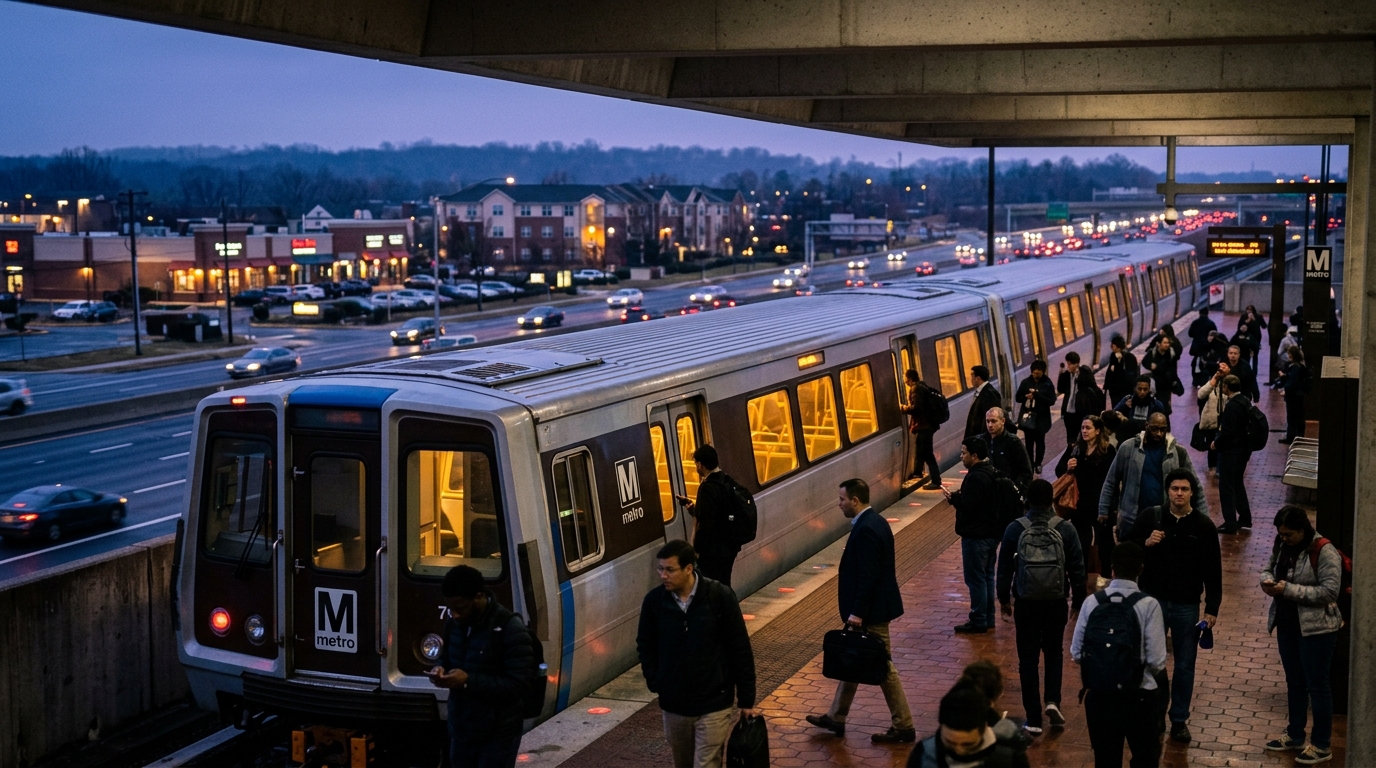
Northern Virginia, a dynamic hub of federal agencies, technology companies, and diverse communities, has experienced explosive growth over the past few decades. This growth, while bringing economic prosperity, has also put immense pressure on its public infrastructure. Take, for instance, the public schools. Across counties like Fairfax, Loudoun, and Prince William, student enrollment continues to climb, leading to overcrowded classrooms and the need for new facilities or significant renovations to aging buildings. Many schools in these areas are decades old, requiring costly repairs and modernizations to meet contemporary educational standards and safety requirements. The cost of building a new school or undertaking a major renovation can easily run into the tens of millions of dollars, often straining local property tax revenues. More information on Virginia's public education system can be found on the Virginia Department of Education website. Similarly, Northern Virginia's transportation network is perennially challenged by congestion. From Interstate 66 to the Capital Beltway (I-495), traffic is a daily reality for hundreds of thousands of commuters. While projects like the Silver Line extension have expanded Metro service, and local bus networks strive to keep pace, significant investment is still needed for maintenance, expansion, and the development of new transit solutions. Reliable and efficient public transit is crucial for reducing road congestion, supporting economic activity, and providing equitable access to jobs and services. The Virginia Department of Rail and Public Transportation offers insights into the state's transit plans.The Mechanics of a Ballot Initiative
For a measure like a sales tax increase to reach the statewide ballot in Virginia, it typically undergoes a rigorous legislative process. It would first need to be proposed and passed by the Virginia General Assembly, often requiring bipartisan support due to its broad impact. Lawmakers would debate the specifics of the tax, the allocation of funds, and the overall economic implications. Once passed by the legislature, the measure would then be put before the state's voters in a general election, in this case, the one scheduled for 2026. This allows citizens to directly weigh in on significant policy decisions that affect their wallets and their communities. Campaigns for and against the measure are expected to ramp up significantly as the election draws closer, with various advocacy groups, business associations, and community organizations articulating their positions. Understanding the legislative process is key, and resources like the Virginia General Assembly website provide detailed information.Potential Impact on Residents and the Local Economy
A 1% sales tax increase might seem small on an individual purchase, but its cumulative effect could be substantial for both consumers and the state's coffers. For average Northern Virginia households, it would mean paying slightly more for most retail goods, with exemptions typically including groceries and prescription medications. This could impact discretionary spending, particularly for lower-income families, raising questions about the regressive nature of sales taxes. However, the potential benefits could also be significant. New schools and renovated facilities could provide better learning environments, increase property values in well-served districts, and alleviate overcrowding. Improved transit could mean shorter commutes, reduced reliance on personal vehicles, and a boost to regional connectivity, making the area more attractive for businesses and residents alike. The long-term economic benefits of robust infrastructure and education systems are often cited as justifications for such investments.Virginia voters will decide in 2026 on a 1% sales tax increase, with funds specifically earmarked for school construction and Northern Virginia transit funding.
The Road Ahead: What to Watch
The period leading up to the 2026 election will likely see a robust debate across the commonwealth, particularly in the Northern Virginia region. Proponents will highlight the urgent need for infrastructure upgrades and educational investments, emphasizing the long-term benefits for the community and economy. They will likely point to specific projects that could be funded, painting a picture of a more efficient, well-educated, and connected Northern Virginia. Opponents, on the other hand, will likely focus on the burden of increased taxation on residents and businesses, especially during periods of economic uncertainty. They may argue that existing revenue streams should be reallocated or that alternative funding mechanisms should be explored. The debate will undoubtedly involve discussions about fiscal responsibility, economic equity, and the role of government in funding public services. Residents across the DMV region, especially those in Arlington, Alexandria, Fairfax, Loudoun, and Prince William counties, will need to pay close attention as this proposal moves through the public discourse. Understanding the details of the tax, its potential impact on personal finances, and the specific projects it aims to fund will be crucial for making an informed decision at the ballot box. This vote isn't just about a percentage point; it's about setting a course for Northern Virginia's future infrastructure and educational landscape. As 2026 approaches, the discussions will intensify, shaping not only the ballot question but also the broader conversation about growth, funding, and quality of life in one of the nation's most dynamic regions.📍 Local Resources
Virginia Department of Taxation
Official source for Virginia tax information, including sales tax rates and policies.
Virginia General Assembly
Information on legislative processes, bills, and elected officials in Virginia.
📞 Phone: (804) 698-1500
🌐 Website: virginiageneralassembly.gov
📍 Location: State Capitol, Richmond, VA 23219
League of Women Voters of Virginia
Nonpartisan organization providing voter education and information on ballot initiatives.
🌐 Website: lwv-va.org
✉️ Email: [email protected]
Advertisement
Explore more on this topic
Related Stories
Elections
Maryland Voters Already Casting Ballots for 2026 Election, Including DMV Residents
Elections
29 minutes ago4 min read
Elections
Fairfax City to Host Public Meetings on November Sales Tax Referendum
Elections
Fairfax City voters will decide on a general retail sales tax increase of up to 1% this November, with the city planning information meetings to explain the proposal for construction and other key projects.
21 days ago6 min read
Elections
Governor Moore Engages Marylanders on Election Integrity, Rising Utility Costs
Anne Arundel County·Elections
29 days ago5 min read