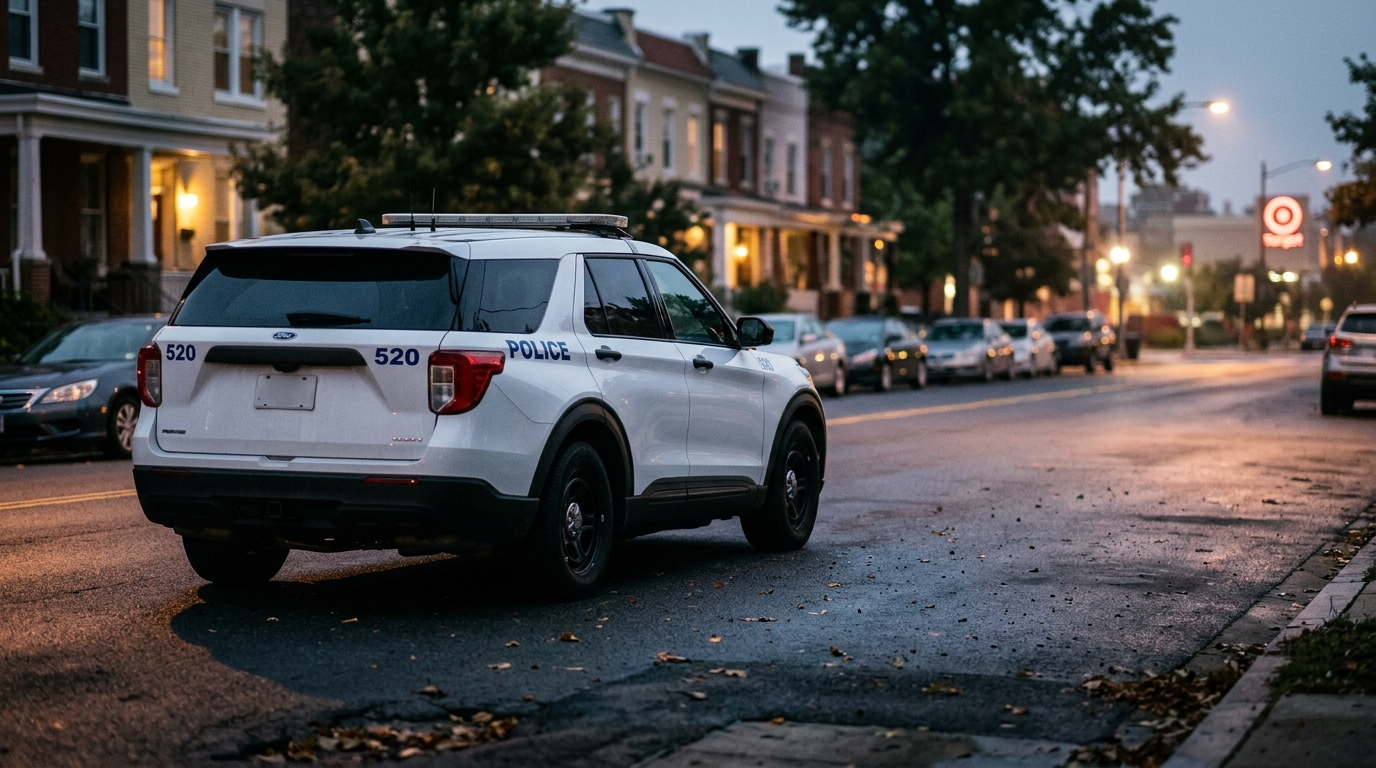
The mundane act of shopping took a terrifying turn recently at a Target store in Northeast DC, where a bystander was shot amidst a shoplifting struggle. The incident, which unfolded in a space typically associated with everyday errands, has since seen the injured individual step forward to share their experience, casting a stark light on the unpredictable nature of violence in public spaces across the District. This unsettling event serves as a grim reminder that even seemingly routine outings can quickly escalate into dangerous situations. For residents of Northeast DC, the news of a shooting inside a popular retail establishment like Target sends ripples of concern through the community, challenging the sense of security they often take for granted in their neighborhood stores. The fact that an innocent bystander was caught in the crossfire during a shoplifting incident underscores the broader implications of retail crime and its potential for devastating consequences beyond just property loss. ## The Unfolding Incident in Northeast DC Details from the incident indicate that the shooting occurred during a struggle involving an alleged shoplifter at the Northeast DC Target. While the specifics of the confrontation remain under investigation, the outcome was tragically clear: a person not involved in the original dispute was struck by gunfire. This kind of collateral damage highlights the inherent risks when criminal acts escalate into violence in crowded public environments. A retail store, designed for commerce and community interaction, suddenly became a scene of trauma. The location itself, a Target in Northeast DC, is a familiar landmark for many residents, a place where families shop for groceries, household goods, and everyday necessities. The thought of such a violent event occurring within its aisles can profoundly impact how people perceive their local shopping destinations. It transforms a space of normalcy into one tinged with apprehension, prompting questions about security measures and the overall safety of public venues. ## A Bystander's Voice Amidst the Aftermath In the wake of the shooting, the bystander who was injured has chosen to speak out. This decision to share their personal account is significant, offering a human perspective on an event that could otherwise be reduced to a mere statistic. Such testimonies often provide crucial insights into the emotional and physical toll that unexpected violence inflicts, not just on the direct victim but also on the wider community. It allows for a deeper understanding of the ripple effects of crime, moving beyond the immediate incident to the long-term impact on individuals and their sense of well-being. Speaking out can be a powerful act, transforming a victim into a witness, and potentially a catalyst for change. It brings the abstract concept of crime into sharp, personal focus, compelling residents and authorities alike to confront the realities of urban safety. The courage required to recount such a traumatic experience also highlights the resilience of individuals facing adversity, and their desire to contribute to a safer environment for others.
An innocent bystander being shot during a shoplifting struggle starkly illustrates the unpredictable and escalating nature of retail crime.
## Broader Implications for Community Safety The incident at the Northeast DC Target is more than just an isolated crime; it's a stark indicator of the potential for violence in everyday settings. Shoplifting, while a persistent challenge for retailers, rarely involves such extreme outcomes. When these incidents escalate to gunfire, it raises serious questions about the types of individuals committing these crimes, their willingness to use lethal force, and the overall security landscape in urban retail spaces. For residents, this means an increased awareness of their surroundings and a potential erosion of trust in the safety of public establishments. This event also underscores the critical role of law enforcement in responding to and preventing such incidents. The Metropolitan Police Department (MPD) regularly addresses a range of crimes, and incidents involving firearms in public places are always a top priority. Their response to such a dynamic situation in a crowded store would involve securing the scene, assisting victims, and apprehending suspects, all while minimizing further risk to the public. However, the spontaneity of such events makes complete prevention a complex challenge. The incident forces a conversation about the balance between open, accessible public spaces and the need for robust security measures. Retailers, including large chains like Target, continuously evaluate and update their security protocols. This might involve visible security personnel, advanced surveillance systems, and training for employees on how to de-escalate confrontations. However, the presence of a weapon can quickly overwhelm even the most prepared security teams, putting both staff and customers at risk. The community's perception of safety is a fragile thing, built on trust and routine. When that trust is shattered by an act of violence in a familiar setting, it can take time and concerted effort to rebuild. Residents might adjust their shopping habits, choose different locations, or simply live with a heightened sense of vigilance. This change in behavior, however subtle, reflects a deeper concern about the quality of life and public safety in their neighborhoods. The
Metropolitan Police Department's community relations efforts often focus on rebuilding this trust and fostering partnerships with local businesses and residents to address crime proactively. ## What This Means for Northeast DC Residents For those living and working in Northeast DC, this incident serves as a sobering reminder of the importance of staying aware of one's surroundings. While law enforcement agencies work tirelessly to maintain public order, and retailers strive to secure their premises, the unexpected can still occur. This event highlights the need for continued vigilance and community engagement in crime prevention efforts. It also reinforces the value of reporting suspicious activities to authorities, helping to create a collective sense of responsibility for neighborhood safety. The fact that the bystander chose to speak out offers a path toward understanding and potentially, healing. Their perspective can inform discussions about how to better protect innocent individuals caught in violent situations and how to address the root causes of retail crime that can escalate so dangerously. Moving forward, residents will likely be paying closer attention to security measures in their local stores and expecting clear communication from both businesses and the city regarding efforts to enhance public safety. The
DC Office of Victim Services and Justice Grants offers support to those impacted by crime, providing resources that can be crucial in the aftermath of such traumatic events. The conversation this incident sparks within the community will be vital. It's a chance to re-evaluate what safety looks like in our public spaces and to consider how collective action, from increased awareness to policy discussions, can help prevent future tragedies. Residents should keep an eye on local news for updates regarding the investigation and any new initiatives from the city or local businesses aimed at bolstering security.
📍 Local Resources
Metropolitan Police Department (MPD) - Fifth District
Serves the Northeast DC area, providing law enforcement and emergency response.
📍 Location: 1805 Bladensburg Rd NE, Washington, DC 20002
🕐 Hours: 24/7
DC Office of Victim Services and Justice Grants (OVSJG)
Offers comprehensive services, support, and advocacy for victims of crime in Washington, DC.
📍 Location: 441 4th St NW, Suite 700S, Washington, DC 20001
🕐 Hours: Mon-Fri 9am-5pm
DC Health - Community Health Administration
Provides public health services and resources, including mental health support, which can be vital after traumatic events.
📍 Location: 899 North Capitol Street NE, Washington, DC 20002
🕐 Hours: Mon-Fri 8:30am-5pm