Competing Tax Plans Spark Intense Debate in Montgomery County
Share this article
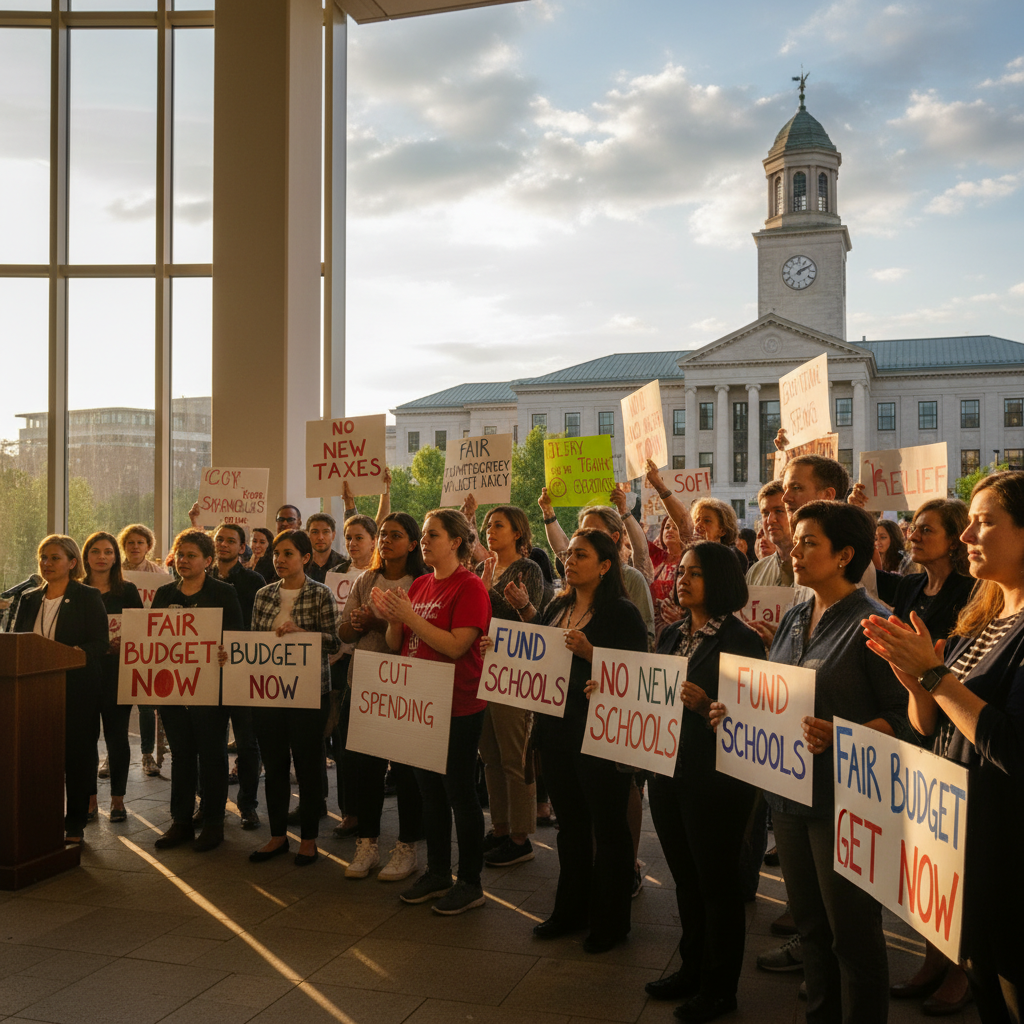
Montgomery County is currently embroiled in a significant political debate as competing tax plans vie for approval, shaping the future financial landscape for residents and local services. The discussions, highlighted by FOX 5 DC, underscore the complex challenges facing the county in balancing fiscal responsibility with the demand for robust public services [1].
The core of the controversy centers on proposals from different factions within the County Council and local advocacy groups, each presenting distinct approaches to property taxation and revenue generation. These plans are designed to address the county’s budgetary needs, particularly concerning education, infrastructure, and social programs, which constitute a significant portion of the annual budget [1]. Residents across communities like Rockville, Silver Spring, and Bethesda are closely watching as these deliberations unfold, understanding that the outcome will directly impact their household budgets and the quality of local amenities.
Understanding the Competing Proposals
While specific details of each plan are under intense scrutiny, the general outlines suggest a divergence in philosophy. One set of proposals reportedly advocates for adjustments to the property tax rate, potentially increasing the burden on homeowners to generate additional revenue. Proponents of such measures argue that a slight increase is necessary to maintain and enhance the county's highly-rated school system, improve public transportation, and support vital community services without resorting to cuts [1]. This perspective often highlights the county's commitment to its residents and the long-term benefits of sustained investment in public goods.
Conversely, other plans reportedly focus on exploring alternative revenue streams or implementing more conservative fiscal policies to avoid raising property taxes. These proposals often emphasize the importance of affordability for residents, particularly those on fixed incomes or struggling with the rising cost of living in the region. Advocates for this approach suggest that the county should prioritize efficiency in spending, seek grants, or explore economic development initiatives that could broaden the tax base without directly increasing the burden on existing property owners [1]. The Montgomery County Office of Management and Budget regularly publishes detailed financial reports that inform these discussions.
Impact on Montgomery County Residents and Businesses
The outcome of this debate carries significant implications for everyone living and working in Montgomery County. For homeowners, changes to property tax rates directly affect their annual expenses. A higher tax rate could strain household budgets, while a stable or lower rate could offer relief. Businesses in areas like Gaithersburg and Germantown are also monitoring the situation, as local tax policies can influence operational costs and overall economic competitiveness. Higher taxes could potentially deter new businesses or lead existing ones to reconsider expansion plans within the county.
Beyond direct financial impacts, the debate touches upon the very character of Montgomery County. The level of funding for public schools, parks, libraries, and public safety services is directly tied to the county's revenue streams. Decisions made during this budget cycle will determine the scope and quality of these essential services for years to come. The Montgomery County Public Schools system, for example, is one of the largest and most diverse in the nation, and its funding is a perennial focus of budgetary discussions.
The Road Ahead: Public Hearings and Council Deliberations
The Montgomery County Council is tasked with navigating these competing interests and ultimately approving a budget that reflects the county's priorities and financial realities. The process typically involves extensive public hearings, allowing residents and community organizations to voice their concerns and preferences. These forums are critical for ensuring transparency and citizen participation in local governance. The council will then engage in a series of work sessions and deliberations, often involving difficult compromises to reconcile differing viewpoints and budgetary constraints [1]. Information on council meetings and public input opportunities is regularly updated on the Montgomery County Council website.
As the debate continues, residents are encouraged to stay informed and participate in the democratic process. Understanding the nuances of each tax plan and its potential effects is crucial for advocating for the county's future. The decisions made regarding these competing tax proposals will not only shape the county's financial health but also its ability to provide the services and quality of life that residents expect.
📍 Local Resources
Provides detailed information on the county budget, financial plans, and tax policies.
Offers information on current legislative sessions, public hearing schedules, and contact details for councilmembers.
Provides state-level information on property assessments, tax rates, and homeowner tax credits applicable to Montgomery County residents.
Explore more on this topic
Related Stories

Councilmember Janeese Lewis George Urges Caution on Waymo Legislation, Citing DC's Jobs Crisis
Ward 4 Councilmember Janeese Lewis George has urged the DC Council to pump the brakes on Waymo legislation this year, warning that rushing autonomous vehicle laws could worsen the city's "jobs crisis" by displacing workers. She emphasizes the need to prioritize safety and worker support alongside technological advancement.

Ousted Board of Appeals Chair Sues Howard County Council, Office of Law
Howard County's ousted Board of Appeals chair has filed a lawsuit against the County Council and the Office of Law, initiating a significant legal challenge within the local government structure. This action highlights internal administrative disputes and brings the county's appointment and oversight processes into public scrutiny.