Montgomery County Council Debates Critical Tax Credits to Tackle Affordability Crisis
Share this article

The Pinch of Affordability in MoCo
For years, Montgomery County has grappled with the double-edged sword of economic prosperity and rising costs. Its proximity to Washington, D.C., and a robust job market in sectors like biotechnology and federal contracting have driven up demand for housing, pushing rental rates and home prices well beyond the reach of many middle and lower-income households. This isn't just a challenge for new residents; it's impacting long-time community members who find their property taxes and rents increasing faster than their incomes. Reports from various local housing advocacy groups have consistently highlighted the widening gap between average wages and the cost of housing. For instance, a recent study indicated that a family often needs to earn significantly more than the county's median income to comfortably afford a modest two-bedroom apartment without spending more than 30% of their income on rent. This scenario forces many to make difficult choices, often cutting back on essentials or seeking housing further afield, leading to longer commutes and reduced quality of life. The Montgomery County Planning Department regularly publishes data on housing trends, underscoring these challenges. The affordability crisis isn't confined to a single demographic. Seniors on fixed incomes struggle to keep up with property tax increases, while young families find it nearly impossible to save for a down payment on a home. Even essential workers, like teachers, first responders, and healthcare professionals, often face an uphill battle to afford living in the communities they serve. This economic squeeze threatens the very fabric of the county's diverse communities, potentially driving out the workforce that keeps the local economy running.Unveiling the Proposed Tax Credit Package
The tax credit package under the Council's review is a multi-faceted approach, designed to address different aspects of the affordability challenge. While specific details were being hammered out during the meeting, the general framework includes several key components aimed at both homeowners and renters. One significant element is expected to be an expansion or enhancement of existing property tax credits, particularly for senior citizens and low-income homeowners. These credits would reduce the amount of property tax owed, providing direct financial relief to those most vulnerable to rising assessments. This kind of targeted assistance is crucial for enabling long-term residents to age in place without being forced out by escalating costs. Another critical aspect of the package likely involves tax credits aimed at renters. Given that a substantial portion of Montgomery County's population rents their homes, any meaningful affordability solution must include them. These renter tax credits could come in various forms, such as direct rebates or deductions based on rental costs relative to income. The goal is to lower the effective housing burden for individuals and families who don't own property but still contribute significantly to the county's economy and social life. The Department of Housing and Community Affairs often provides resources for renters. Beyond direct relief for residents, the Council is also reportedly looking at incentives for developers to build more affordable housing units. This could include tax abatements or credits for projects that dedicate a certain percentage of units to income-restricted housing. Encouraging the supply of diverse housing options is a long-term strategy to alleviate market pressures and create a more balanced housing landscape across areas like Silver Spring, Gaithersburg, and Germantown.The Council's Deliberation and Community Input
The Council meeting, highlighted by Fox5DC reports, involved in-depth discussion and likely included testimony from various stakeholders. Local residents, housing advocates, business owners, and non-profit organizations often provide crucial perspectives during such deliberations, offering real-world insights into how proposed policies might impact their lives and operations. Council members are tasked with balancing the urgent need for affordability relief against the county's broader fiscal responsibilities. Tax credits, while beneficial to recipients, represent foregone revenue for the county budget, which funds essential services like schools, public safety, and infrastructure. The debate often centers on finding the sweet spot: maximizing relief while maintaining fiscal prudence. The legislative process for such a package typically involves multiple readings, opportunities for amendments, and eventually a final vote. Public engagement is a cornerstone of this process, ensuring that the voices of those most affected are heard. Residents often have avenues to share their thoughts through written testimony, direct communication with council members, or by speaking at public hearings. For information on how to participate in county government, residents can visit the Montgomery County Council website.What This Means for Montgomery County Residents
For the hundreds of thousands of people who call Montgomery County home, the outcome of this Council meeting and the fate of the tax credit package carry significant weight. If approved, these measures could translate into tangible savings for eligible homeowners and renters, potentially freeing up funds for other necessities, reducing financial stress, and allowing more residents to remain in their beloved communities. The proposed tax credits represent more than just a reduction in bills; they symbolize the county's commitment to fostering an inclusive and equitable environment. By actively working to mitigate the impacts of the affordability crisis, the Council aims to strengthen the local economy, support local businesses, and preserve the diverse character that defines Montgomery County. Residents should pay close attention to the Council's actions in the coming weeks. Details on eligibility criteria, application processes, and the exact amounts of the credits will be critical once the package is finalized. This is a chance for the county to make a real difference in the daily lives of its residents, ensuring that the promise of Montgomery County remains accessible to all.📍 Local Resources: Montgomery County
Provides programs and services related to affordable housing, rental assistance, and homeowner support.
Assists residents with consumer complaints, including landlord-tenant issues and unfair business practices.
Manages property assessments and offers homeowner tax credit programs for eligible Maryland residents.
Explore more on this topic
Related Stories
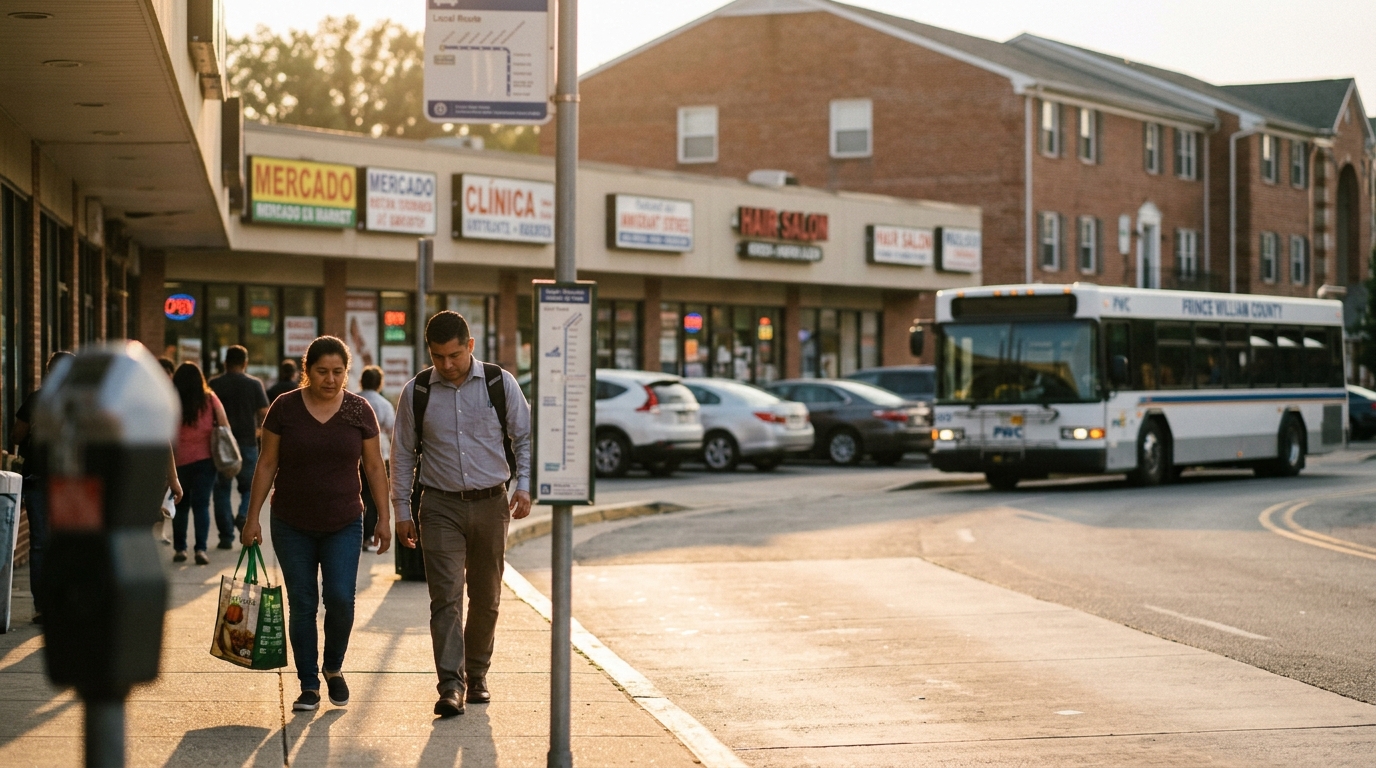
Prince William County Orders Comprehensive Audit of Its Immigration Policy
Prince William County's Board of Supervisors has ordered a comprehensive audit of its immigration policy, signaling a deep dive into local operations and their impact on the diverse community. This review aims to assess the effectiveness and legality of current practices, potentially bringing changes to law enforcement interactions with federal agencies and county service delivery for all residents.

Maryland Voters See Barrage of Ads for Redistricting Ballot Question
A new wave of pro-redistricting ballot question ads is hitting Maryland airwaves, phones, and mailboxes, pushing for changes to how the state draws its political maps. This campaign highlights the ongoing debate over fair representation and the impact of gerrymandering on local communities in the DMV.