Weather & Traffic
Howard County
Metro and Union Ink Deal on Bus Fare Policy, Easing Commutes Across DMV
Share this article
Advertisement
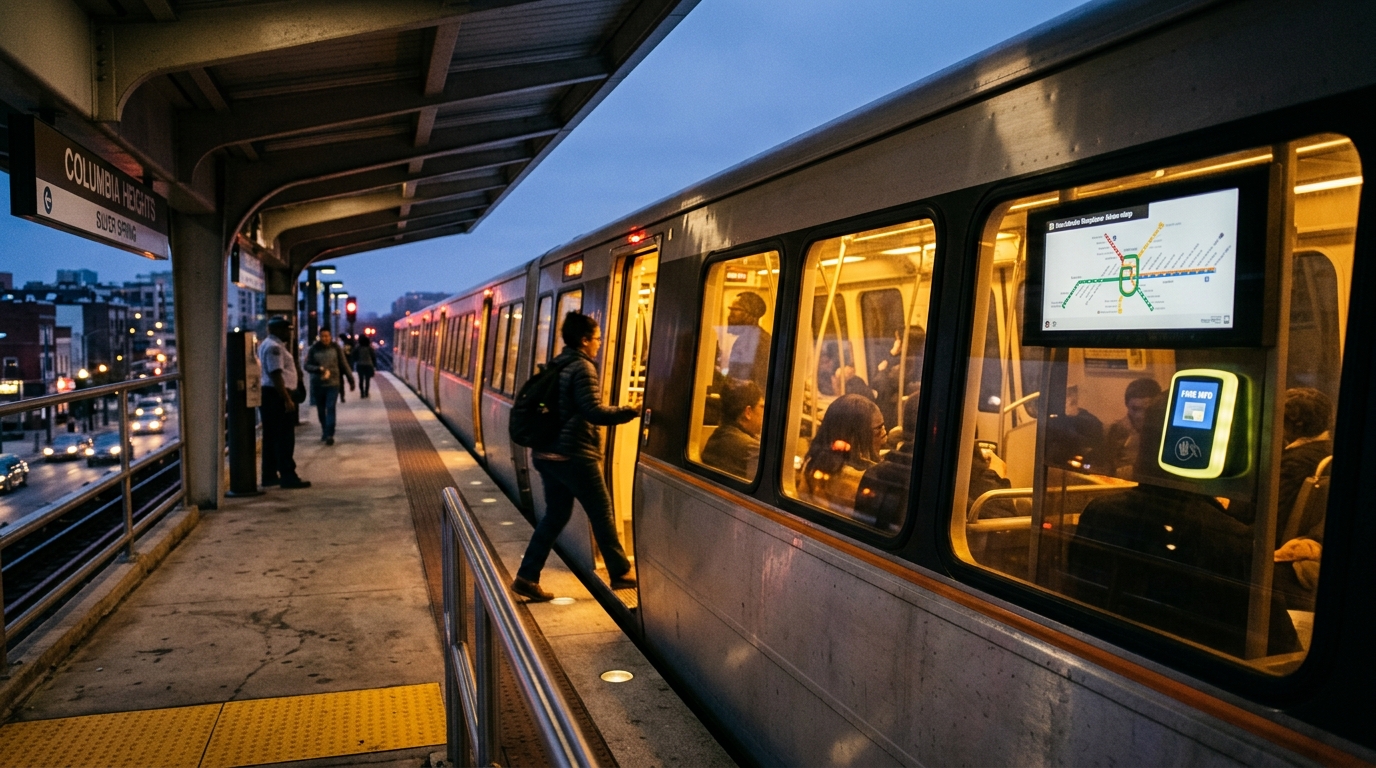
For countless commuters across the Washington metropolitan area, the daily bus ride is a cornerstone of their routine. Now, a significant hurdle in the operational fabric of Metrobus service has been cleared, as the Washington Metropolitan Area Transit Authority (WMATA) and the union representing its bus operators have officially reached an agreement concerning the long-standing "quote the fare" policy. This resolution marks a crucial step forward for both transit workers and the hundreds of thousands of daily riders who rely on the region's public transportation network Fox5DC reports. The agreement brings to a close a period of negotiation and discussion surrounding a policy that, while seemingly minor, carried considerable implications for the efficiency of bus operations and the daily experience of Metrobus operators. For years, the practice of bus drivers verbally stating the fare to each boarding passenger, especially during peak hours, has been a point of contention, impacting everything from boarding times to operator focus.
Understanding the "Quote the Fare" Policy
At its core, the "quote the fare" policy refers to the expectation or requirement for Metrobus operators to verbally inform each passenger of the fare amount as they board the bus. While seemingly a customer service gesture, the practical execution of this policy in a high-volume transit system like the DMV's Metrobus network presents a unique set of challenges. Imagine a busy street corner in downtown DC, a bustling transfer point in Silver Spring, or a packed bus stop along Columbia Pike in Arlington during rush hour. Buses arrive, often already crowded, and dozens of passengers are eager to board quickly. Each interaction where an operator must pause to state the fare, especially when riders might be fumbling for exact change or tapping fare cards, adds precious seconds to the boarding process. Over the course of a route, and across hundreds of routes each day, these seconds accumulate into significant delays, impacting schedule adherence and overall service reliability.The agreement between WMATA and its union on the "quote the fare" policy signifies a crucial step toward streamlining Metrobus operations and enhancing the daily experience for both operators and passengers across the DMV.
Beyond efficiency, there are safety considerations. A bus operator's primary responsibility is the safe navigation of their vehicle and the well-being of their passengers. Requiring them to constantly engage in verbal fare-quoting can divert their attention, even momentarily, from monitoring the road, traffic, and passenger flow inside the bus. This potential for distraction has been a key concern for operators and their union representatives, who advocate for policies that prioritize safety and operational focus. Furthermore, the policy could lead to inconsistencies. With varying fare structures (peak, off-peak, express routes, transfers), ensuring every operator consistently and accurately quotes the correct fare to every passenger, often under pressure, is a tall order. An agreement on this policy likely aims to standardize the process, clarify expectations, and potentially introduce more efficient methods for fare communication, reducing the burden on operators. The Players: WMATA and Transit Union
The Washington Metropolitan Area Transit Authority (WMATA) is the lifeblood of public transportation in the nation's capital region. Operating Metrorail, Metrobus, and MetroAccess services, WMATA connects millions of residents across Washington, D.C., Maryland, and Virginia. Its network is critical for daily commutes, accessing employment centers, and supporting the region's economy. Managing such a vast and complex system requires constant coordination, significant resources, and, crucially, a strong working relationship with its labor force. You can find more about WMATA's services and operations on their official website. Representing the interests of Metrobus operators and other transit workers is the union, a vital voice in ensuring fair working conditions, competitive wages, and safe operational practices. Labor unions play a critical role in public transit systems nationwide, advocating for their members and negotiating with management on various aspects of employment, including policies that directly impact daily duties, like the "quote the fare" directive. The dynamic between WMATA management and its union is a continuous one, often involving extensive dialogue and negotiation to balance the needs of the workforce with the operational demands of a major metropolitan transit system. These negotiations are fundamental to maintaining labor peace and ensuring the smooth functioning of essential public services.Implications of the Agreement for DMV Residents
This agreement on the "quote the fare" policy carries tangible implications for Metrobus riders across the DMV. The most immediate impact could be on the speed and efficiency of bus boarding. If the agreement streamlines the fare-quoting process or introduces alternative methods for passengers to confirm their fare, it could lead to quicker stops and more reliable schedules. For anyone who's ever missed a connection due to a delayed bus, even a few minutes saved per stop can make a significant difference in their daily commute. Moreover, a clearer, less burdensome fare policy for operators could contribute to a more focused and less stressed workforce. When operators can concentrate more fully on driving and less on repetitive administrative tasks, it enhances overall safety and service quality. This can translate into a better experience for passengers, fostering a more positive environment on buses throughout the region. The resolution of this specific policy point also signals a positive development in the ongoing labor relations between WMATA and its union. Productive agreements on operational policies can build trust and set a constructive precedent for future negotiations on other critical issues, such as wages, benefits, and working conditions. Stable labor relations are paramount for WMATA, ensuring consistent service delivery without the disruptions that can arise from unresolved disputes. For a deeper look into regional transportation planning, residents can explore resources from the Metropolitan Washington Council of Governments.Looking Ahead: What This Means for Metro's Future
This agreement is more than just a nod to bus operators; it's a signal of WMATA's ongoing commitment to modernizing its operations and fostering a more collaborative environment with its workforce. As the DMV continues to grow and evolve, so too must its public transit system. Efficient fare collection and clear communication are key components of a seamless rider experience, and this agreement likely paves the way for innovations in these areas. Riders might see new signage, updated digital displays, or clearer guidance on fare payment methods on buses. The goal is always to make public transit as accessible and user-friendly as possible, and removing potential friction points like the "quote the fare" policy is a step in that direction. This could also free up operators to focus more on assisting passengers with directions or other needs, further enhancing the customer service aspect of Metrobus. The broader takeaway for DMV residents is a positive one: when WMATA and its union can find common ground on operational policies, it ultimately benefits everyone. It reinforces the idea that an efficient, safe, and reliable public transit system is a shared responsibility, requiring cooperation from all stakeholders. Residents should keep an eye on WMATA's official announcements for details on how this policy change will be implemented and any new guidance for riders as they board their daily bus. This collaborative spirit is essential for Metro's long-term health and its ability to serve the dynamic needs of our region.📍 Local Resources
WMATA Customer Service
For general inquiries, service alerts, and feedback regarding Metrobus and Metrorail services across the DMV.
📞 Phone: (202) 637-7000
🌐 Website: wmata.com/about/contact
🕐 Hours: Mon-Fri 7am-8pm, Sat-Sun 8am-8pm
Metrobus Real-Time Info
Access real-time bus tracking and arrival predictions to plan your commute efficiently.
🌐 Website: wmata.com/schedules/metrobuses
📱 App: Download the official WMATA app for iOS/Android
SmarTrip® Customer Service
Assistance with SmarTrip cards, fare payment issues, and balance inquiries.
Advertisement
Explore more on this topic
Related Stories
Weather & Traffic
Virginia State Police Urge Caution After Deadly Holiday Weekend Crashes
Weather & Traffic
about 17 hours ago4 min read
Weather & Traffic
Virginia's Labor Day Weekend: 10 Lives Lost in Tragic Road Crashes
Arlington County·Weather & Traffic
Virginia State Police reported that 10 individuals died in 8 separate fatal crashes across the Commonwealth during the Labor Day weekend, a sobering statistic that highlights critical road safety concerns for DMV residents.
1 day ago5 min read
Weather & Traffic
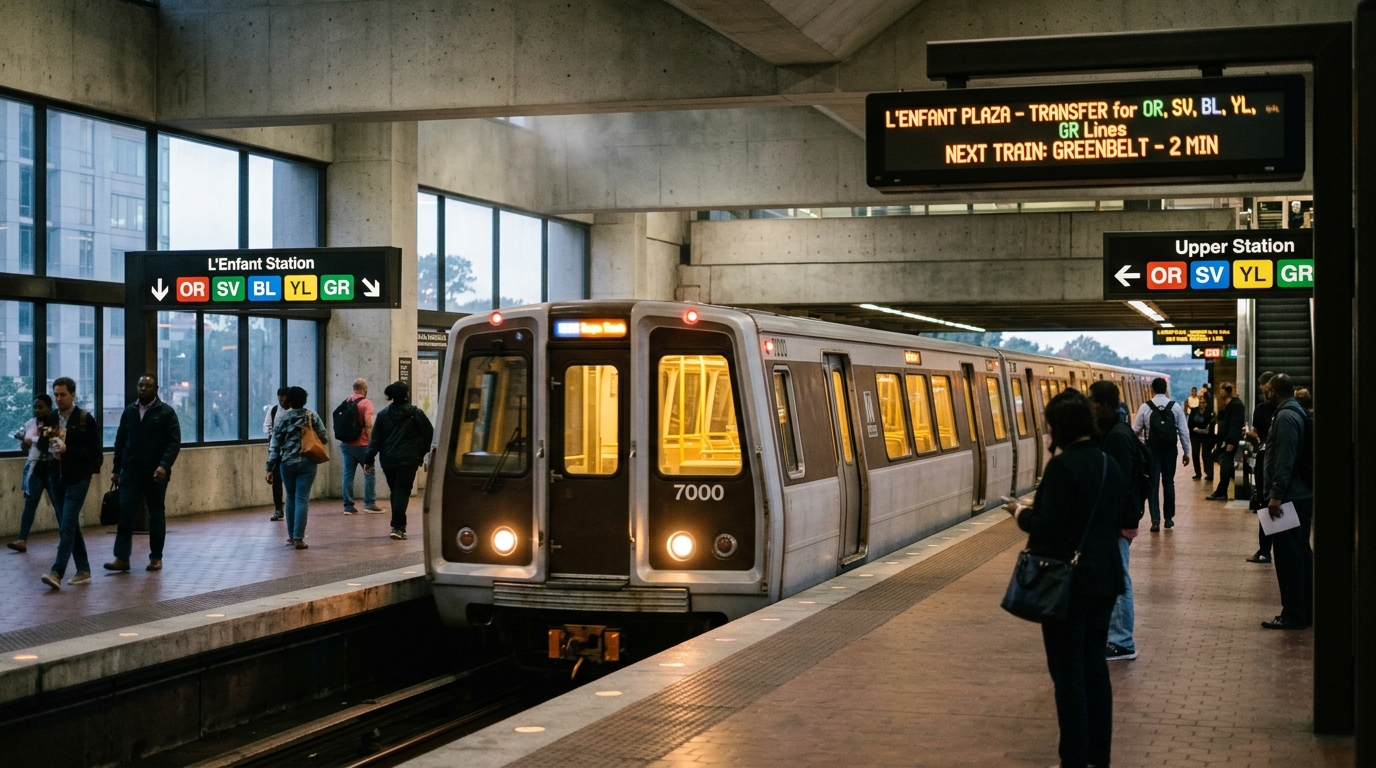
Navigating L'Enfant Plaza Just Got Clearer with New Metro Signage
Weather & Traffic
Metro has begun rolling out updated signage at L'Enfant Plaza, a critical downtown transfer station, to improve rider navigation and streamline commutes for DMV residents.
1 day ago4 min read