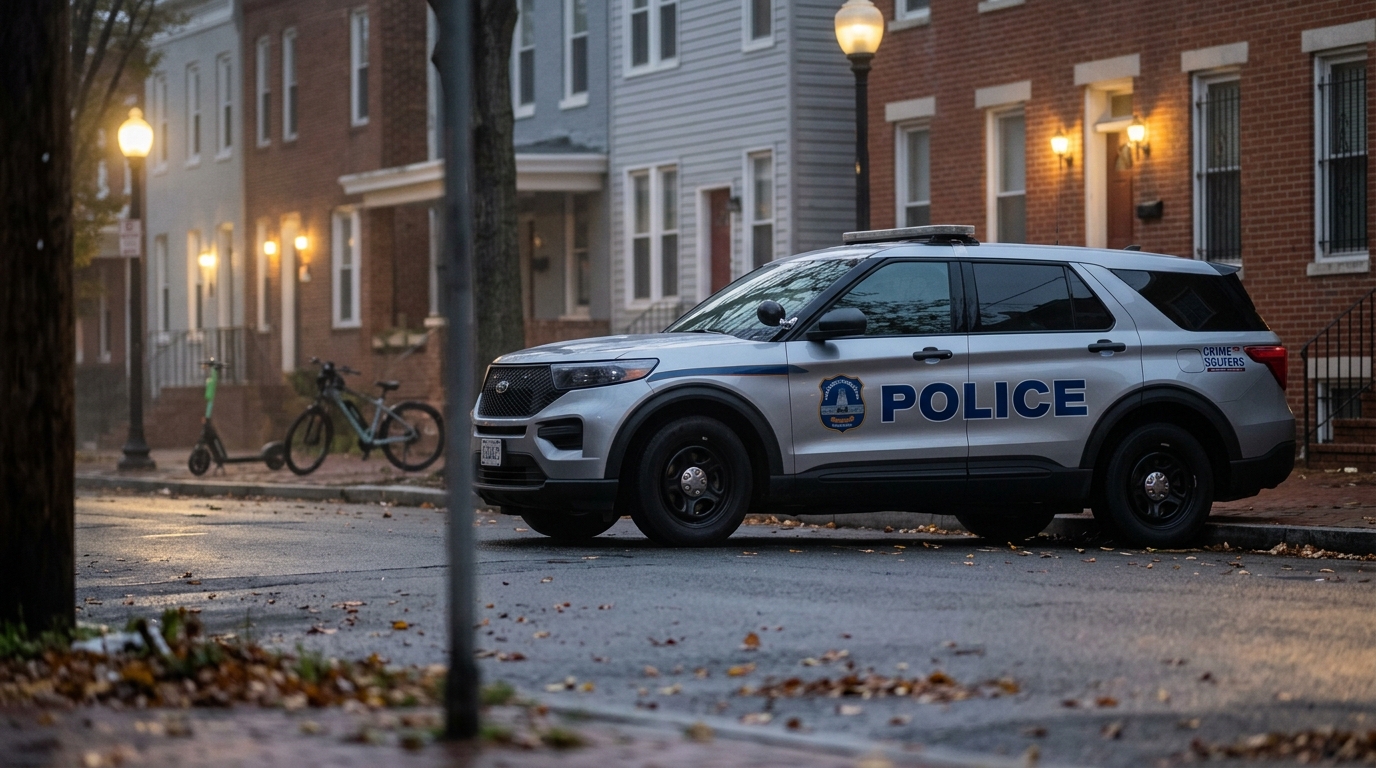
Teen Charged as Adult in Maryland Parking Lot Stabbing Highlights Complexities of Juvenile Justice
Share this article

The Incident: A Dispute Turns Violent
According to initial police reports, the incident involved an argument between two coworkers in a Maryland parking lot. What began as a verbal dispute quickly escalated, leading to the alleged stabbing. While the specific nature of the argument, the extent of the victim's injuries, and the exact location within Maryland have not been detailed in the primary report, the severity of the charge—a 17-year-old being processed as an adult—underscores the serious nature of the alleged crime [1]. Such an event sends ripples through the local community, raising questions about safety, conflict management, and the pathways for young individuals within the justice system.Juvenile Justice Crossroads: Charging Minors as Adults
The decision to charge a 17-year-old as an adult is not made lightly and carries immense consequences. In Maryland, the juvenile justice system is generally designed to rehabilitate young offenders, focusing on treatment and education rather than punitive measures typical of adult courts. However, certain serious offenses, particularly those involving violence, can trigger a different path. Maryland law outlines specific criteria under which a minor can be charged as an adult. These "waiver" provisions, or direct filing statutes, allow prosecutors to initiate cases against juveniles in adult criminal court. Factors influencing this decision often include the age of the offender, the nature and severity of the alleged crime, the minor's previous criminal record, and the safety of the community. For violent felonies like assault or attempted murder, which a stabbing could fall under, direct filing in adult court is a possibility, even for individuals under 18. This process is detailed in the statutes governing Maryland's juvenile courts. When a juvenile is charged as an adult, they lose many of the protections afforded by the juvenile system. They face the same potential penalties as adult offenders, including lengthy prison sentences, and their criminal record will follow them into adulthood. The case moves from a juvenile court, which typically operates with more privacy and a focus on rehabilitation, to an adult criminal court, where proceedings are public and the emphasis shifts heavily towards punishment and public safety. This transition can be a jarring and life-altering experience for a young person, fundamentally altering their future trajectory.Understanding Assault Charges in Maryland
A stabbing incident typically leads to charges of assault, which can range in severity depending on the specific circumstances, intent, and extent of injury. In Maryland, assault is broadly categorized into first-degree and second-degree assault, each carrying significant penalties. First-degree assault involves intentionally causing or attempting to cause serious physical injury to another, or committing an assault with a firearm. "Serious physical injury" is often defined as an injury that creates a substantial risk of death, causes serious permanent disfigurement, or results in a protracted loss or impairment of the function of any bodily member or organ. Given the nature of a stabbing, it could potentially be charged as first-degree assault, which is a felony punishable by up to 25 years in prison. Second-degree assault, a broader category, includes any intentional non-consensual touching that causes offensive physical contact or physical injury. This is a misdemeanor, but it still carries a maximum penalty of 10 years imprisonment and/or a $2,500 fine. If a weapon is used, even if the injuries are not deemed "serious," the presence of a weapon often elevates the perceived severity of the crime and influences charging decisions. The specifics of the charges against the 17-year-old will depend heavily on the evidence collected by police, including witness statements, forensics, and the medical assessment of the victim's injuries. Legal resources like the Maryland Attorney General's Office provide further details on victim rights and legal processes.Workplace Safety and Conflict De-escalation in the DMV
This incident also serves as a somber reminder of the importance of workplace safety and effective conflict resolution strategies. While the specific workplace involved has not been disclosed, disputes among colleagues can arise in any professional environment. When these conflicts escalate to physical violence, the consequences can be devastating for all involved—the victim, the perpetrator, and the wider workplace community. Employers in Maryland have a responsibility to provide a safe working environment. This includes having policies in place for addressing workplace disputes, implementing violence prevention programs, and ensuring employees know how to report concerns or seek help. Resources from organizations like the Maryland Department of Labor emphasize the importance of training, clear communication channels, and a culture that prioritizes safety and respect. For employees, understanding how to de-escalate tensions, recognizing warning signs of potential violence, and knowing when to involve management or human resources are crucial skills. This incident underscores that age is no barrier to the potential for workplace conflict to turn violent, highlighting the need for vigilance and proactive measures across all industries and age groups in the DMV.Community Impact and the Path Forward
For residents in Maryland's DMV communities, an incident like this can trigger concerns about public safety and the well-being of young people. It prompts discussions about how society can better support conflict resolution skills, particularly among youth, and prevent disputes from escalating to violence. The case also highlights the critical role of the justice system in balancing accountability with the potential for rehabilitation, especially when dealing with juvenile offenders. As the legal process unfolds, the 17-year-old will face arraignment, likely followed by a series of court hearings. The outcome could range from a plea agreement to a full trial. Regardless of the specifics, the path ahead will be complex and arduous, involving legal counsel, potential psychological evaluations, and the weight of a serious criminal charge. The victim, meanwhile, will also navigate a recovery process, both physical and emotional, and may be involved in the legal proceedings as a witness. This case, while specific in its details, represents a broader societal challenge. It's a call for residents, employers, and community leaders in the DMV to reflect on how we foster environments where conflicts are resolved peacefully and how we support our youth to make choices that lead to positive outcomes rather than tragic consequences.📍 Local Resources
Provides support, information, and resources to victims of crime throughout Maryland, including guidance on the criminal justice process.
Offers free civil legal services to low-income individuals in Maryland, including representation in criminal cases for juveniles and general legal advice.
Provides immediate support for anyone experiencing emotional distress or a mental health crisis, including those impacted by violence or trauma.
Explore more on this topic
Related Stories
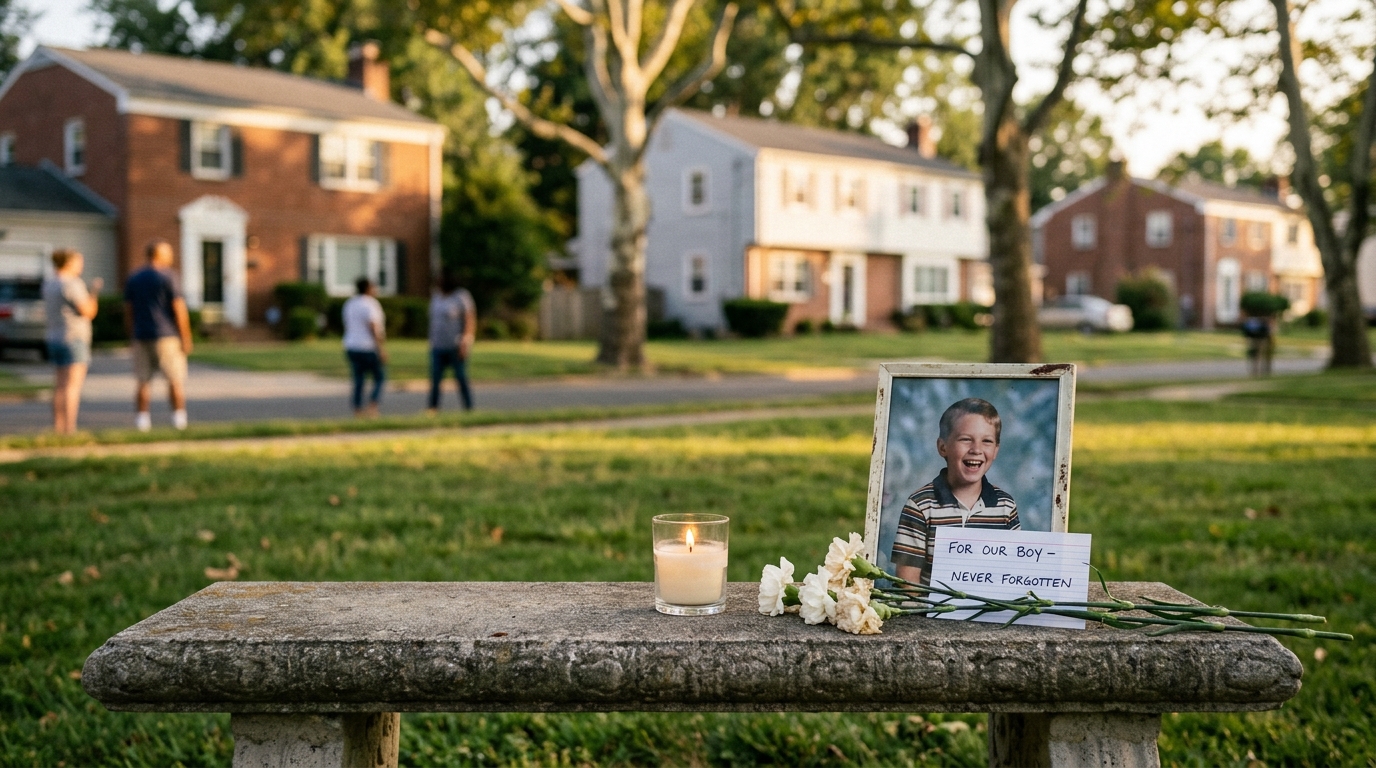
Indictment in 1993 Maryland Cold Case Brings Hope After Three Decades
After more than three decades, an indictment has finally been handed down in the 1993 murder of a 10-year-old boy in Maryland, offering a crucial step toward justice in a long-standing cold case.
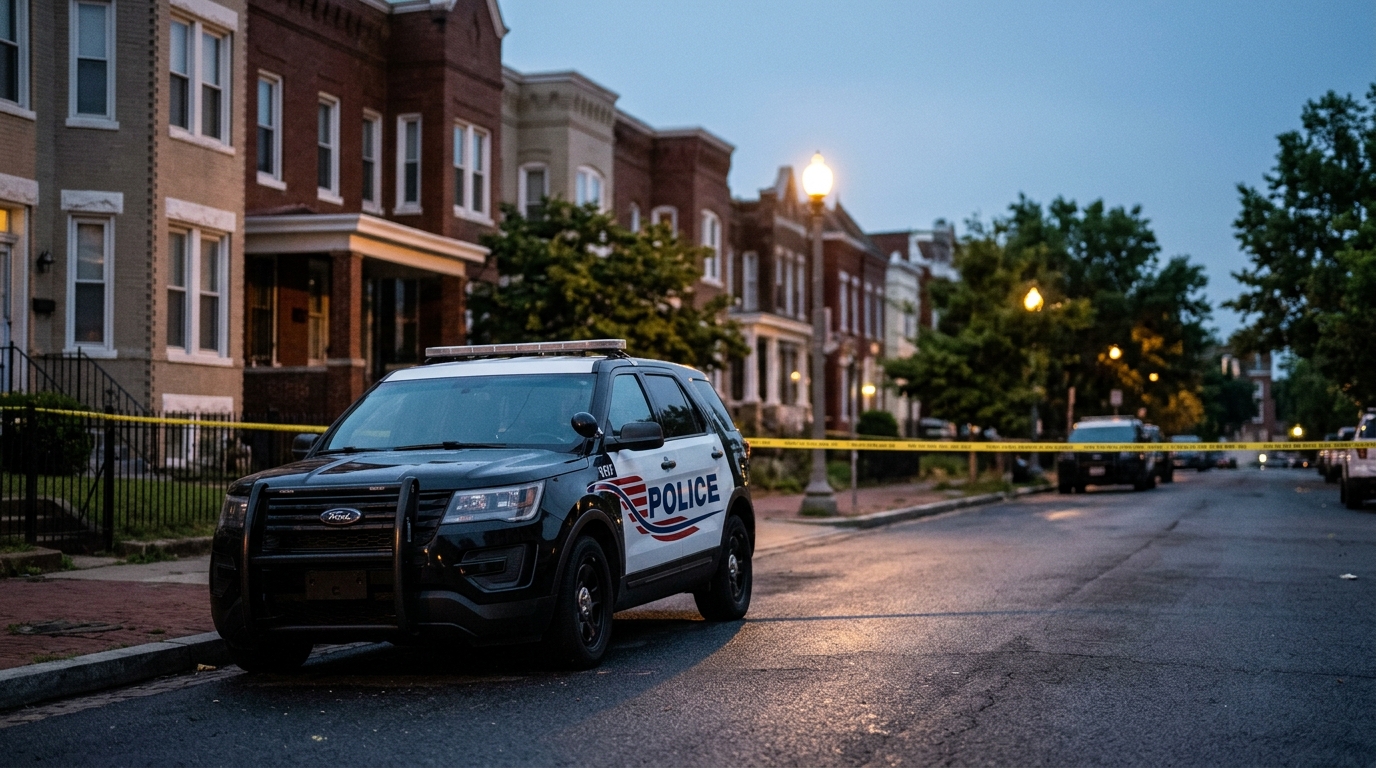
Deadly Shooting Reported at Alleged Squatter's Home in Washington, D.C.
A deadly shooting has been reported at an alleged squatter's home in Washington, D.C., sparking concerns about public safety and property disputes in the community. Authorities are investigating the incident, with details remaining scarce as residents grapple with the implications of such a tragic event.