Maryland Supreme Court: Lawful Opioid Distribution Not a Public Nuisance
Share this article
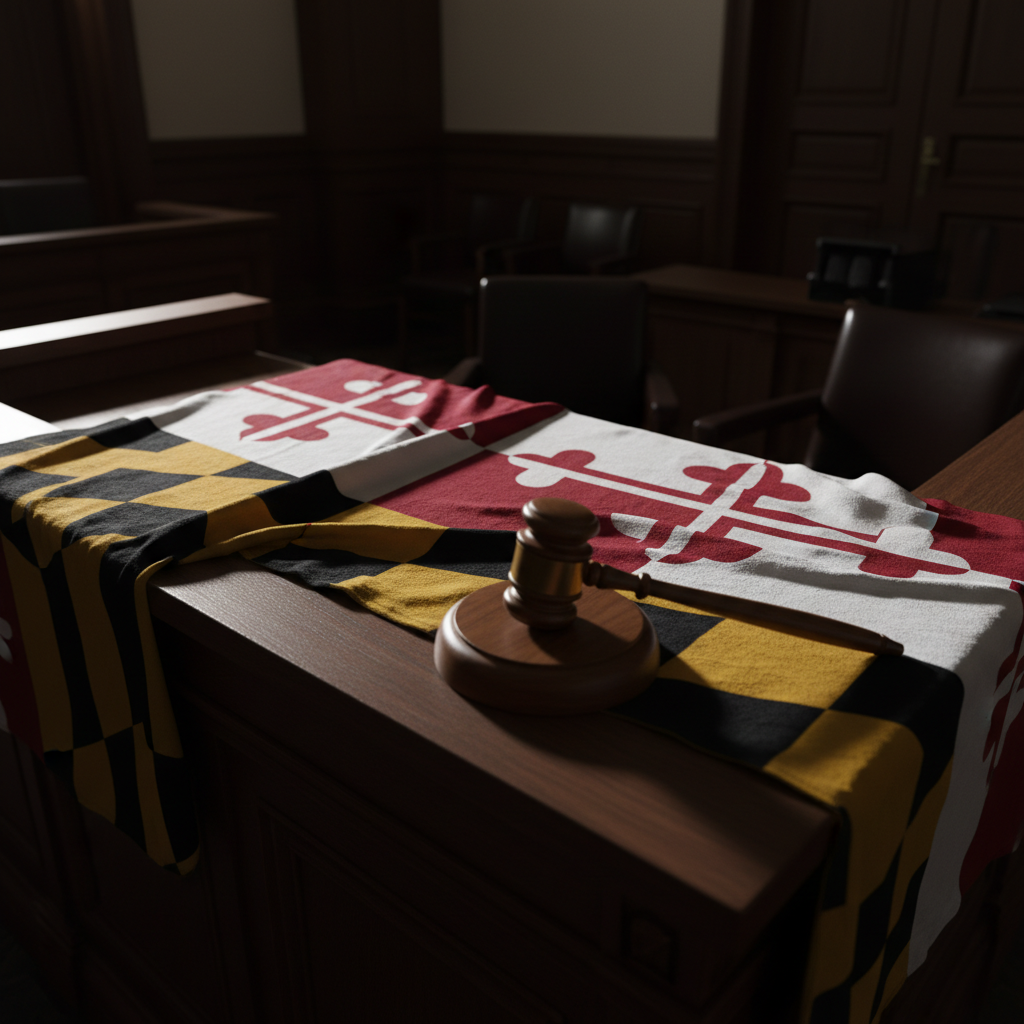
The Maryland Supreme Court has delivered a significant ruling, stating that the legal distribution of opioids does not constitute a public nuisance. This decision clarifies the legal landscape for pharmaceutical companies and healthcare providers involved in the prescription and dispensing of these powerful medications, impacting how accountability is sought for the ongoing opioid crisis.
Clarifying Public Nuisance Claims
The Maryland Supreme Court's recent decision clarifies that the lawful, regulated distribution of opioid medications cannot be classified as a public nuisance. This ruling is a critical development in the ongoing legal battles surrounding the opioid epidemic, which has devastated communities across the United States, including those within the DMV region.
The court's determination means that entities engaged in the legitimate sale and prescription of opioids, operating within the bounds of state and federal regulations, are shielded from public nuisance lawsuits based solely on the fact that their products have been misused or have contributed to addiction. This distinction is vital, as it separates regulated pharmaceutical activities from illegal drug trafficking or negligent practices that fall outside established legal frameworks.
Legal Precedent and Opioid Litigation
Public nuisance claims have been a common legal strategy employed by states and local governments seeking to hold pharmaceutical manufacturers and distributors accountable for their role in fueling the opioid crisis. These lawsuits often argue that the widespread availability of prescription opioids, even when legally distributed, created a public harm akin to a nuisance.
However, the Maryland Supreme Court's ruling, as reported by The Daily Record[1], establishes a clear precedent within the state. It suggests that legal channels of distribution, when followed appropriately, are not the target of public nuisance litigation. This could shift the focus of accountability efforts towards proving specific instances of negligence or illegal activity rather than broader claims against the regulated industry.
This decision aligns with arguments made by the pharmaceutical industry, which has contended that lawful distribution is a necessary component of pain management and that blame should be placed on illegal diversion, illicit drug markets, and improper prescribing practices by healthcare professionals.
Implications for Accountability and Public Health
The ruling's implications are far-reaching. For pharmaceutical companies and distributors operating in Maryland, it offers a degree of legal protection against broad public nuisance claims related to their lawful operations. This may influence future litigation strategies and settlement negotiations across the country.
Conversely, public health advocates and government bodies seeking to hold these entities responsible for the opioid crisis may find it more challenging to use public nuisance as a primary legal tool in Maryland. Their efforts may need to pivot towards demonstrating direct negligence, fraudulent marketing practices, or violations of specific dispensing regulations. It underscores the importance of robust regulatory oversight and enforcement by agencies such as the U.S. Food and Drug Administration (FDA) and the Maryland Board of Pharmacy.
The opioid crisis remains a critical public health emergency, with devastating consequences for families and communities. According to the Centers for Disease Control and Prevention (CDC), tens of thousands of people die from opioid overdoses annually, a statistic that highlights the ongoing severity of the issue nationwide.
While this ruling focuses on the legality of distribution, it does not diminish the responsibility of all parties involved in the opioid supply chain to operate ethically and in compliance with all applicable laws and regulations. The court's decision specifically addresses the legal classification of public nuisance, not the broader ethical or public health considerations surrounding opioid use.
Future Directions in Litigation and Policy
This ruling may prompt a re-evaluation of legal strategies in other jurisdictions. Many states have pursued similar public nuisance lawsuits, and the Maryland Supreme Court's reasoning could be cited by defendants in those cases. The outcome highlights the complex interplay between legal frameworks, public health crises, and corporate accountability.
Moving forward, legislative bodies and regulatory agencies will continue to play a crucial role in addressing the opioid crisis. This includes enacting stricter prescribing guidelines, improving access to addiction treatment services, and supporting harm reduction initiatives. Resources for addiction services can be found through the Substance Abuse and Mental Health Services Administration (SAMHSA) National Helpline.
📍 Local Resources for Opioid Addiction and Support
Provides resources, treatment options, and support for individuals and families affected by opioid use disorder in Maryland.
A confidential, free, 24/7, 365-day-a-year treatment referral and information service (in English and Spanish) for individuals and families facing mental and/or substance use disorders.
A tool to find licensed treatment providers and support services across Maryland.
The Maryland Supreme Court's decision marks a significant point in the legal narrative of the opioid crisis, emphasizing the distinction between regulated pharmaceutical distribution and actions that constitute a public nuisance.
Explore more on this topic
Related Stories

Baltimore Seeks Dismissal in Ongoing Harborplace Lawsuit
Baltimore City has asked a court to dismiss a lawsuit challenging the future of its iconic Harborplace development, a move that could significantly impact the long-awaited revitalization efforts for the downtown waterfront.
Reston Man Faces Murder Trial After Allegedly Fatally Shooting Roommate Hours Post-Release
A Reston man is headed to trial for allegedly murdering his roommate just hours after being released from Fairfax County Sheriff's custody, prompting community concern.

Bhatt Murder Trial: Prosecution Expected to Conclude Its Case in DMV Court
The prosecution in the Bhatt murder trial is reportedly expected to rest its case, marking a significant development as the DMV court proceedings transition to the defense's presentation.