Maryland Student's Family Demands Unedited Video After Fatal Police Shooting
Share this article
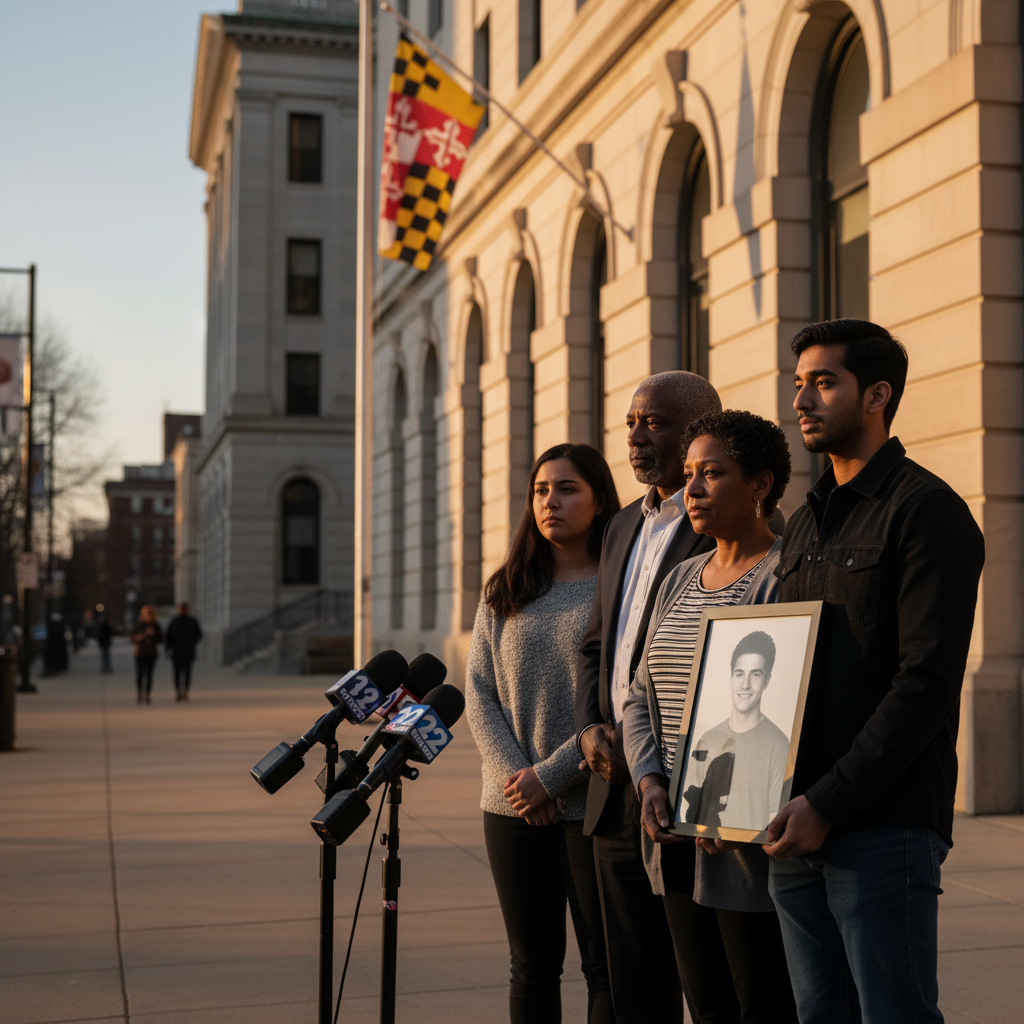
The family of a 21-year-old Michigan State University student, who was a Maryland native, is calling for the release of unedited video and audio footage following his fatal shooting by police. The student was killed in connection with a stabbing incident, prompting his family to seek full transparency regarding the circumstances of his death [1].
The demand for unedited footage underscores a growing national conversation surrounding police accountability and the public's right to information in critical incidents. Families and advocacy groups frequently emphasize the importance of raw, unaltered video and audio recordings to ensure a complete understanding of events, free from potential editorial bias or omissions.
Family Seeks Clarity and Full Transparency
The family's insistence on unedited materials highlights a common concern among those affected by police-involved shootings: the desire for complete and objective evidence. Edited or partial releases of footage can sometimes lead to questions about what may have been excluded or presented out of context. Advocates for transparency argue that full, unedited recordings provide the most comprehensive account, allowing for a thorough and impartial review by legal teams, independent investigators, and the public.
According to Maryland state guidelines for public records and government transparency, the release of such materials is often subject to ongoing investigations and specific legal frameworks. While the incident occurred outside of Maryland, the student's roots in the state connect this tragic event to local communities, resonating with residents who prioritize police oversight and accountability.
The Significance of Unedited Footage
Unedited video and audio recordings from police body cameras and dash cameras are considered crucial evidence in investigations into use-of-force incidents. These recordings can capture real-time interactions, verbal commands, and actions taken by all parties involved. The absence of editing ensures that the sequence of events, dialogue, and environmental factors are preserved precisely as they occurred, which can be vital for establishing facts and determining accountability.
Organizations dedicated to civil liberties and police reform often advocate for clear policies regarding the timely release of unedited footage. They argue that such transparency builds public trust and can provide crucial context that might otherwise be missing from official reports or summarized accounts. The push for unedited materials is a direct response to past instances where partial releases have led to public skepticism and further demands for full disclosure.
Navigating Legal and Investigative Processes
The process of obtaining and releasing police footage can be complex, often involving considerations of ongoing investigations, privacy rights of individuals depicted in the video, and state-specific public records laws. While the family's demand is clear, law enforcement agencies typically navigate a legal framework that balances transparency with investigative integrity. This often involves consultations with prosecutors and internal review boards before any footage is made public.
For Maryland residents, this incident underscores the broader discussions about police conduct and accountability that transcend geographical boundaries. The student's connection to Maryland ensures that the family's pursuit of answers resonates within the local community, prompting continued attention to the outcomes of such demands. Access to legal support and advocacy resources is often critical for families navigating these challenging processes, particularly when dealing with out-of-state incidents.
📍 Local Resources
Provides assistance and resources to victims of crime and their families, including information on legal rights and support services.
Offers free civil legal services to low-income individuals and families in Maryland, which may include advice on public records requests or civil rights matters.
A national organization that provides legal assistance and advocates for racial justice, including in cases of police misconduct and accountability.
As the family of the Maryland student continues to press for the release of unedited footage, this situation highlights the persistent challenges and critical importance of transparency in police-involved incidents for communities both within and beyond the DMV region. The outcome of their demand will be closely watched by those advocating for greater accountability in law enforcement.
Explore more on this topic
Related Stories
Indictment in 1993 Maryland Cold Case Brings Hope After Three Decades
After more than three decades, an indictment has finally been handed down in the 1993 murder of a 10-year-old boy in Maryland, offering a crucial step toward justice in a long-standing cold case.
Deadly Shooting Reported at Alleged Squatter's Home in Washington, D.C.
A deadly shooting has been reported at an alleged squatter's home in Washington, D.C., sparking concerns about public safety and property disputes in the community. Authorities are investigating the incident, with details remaining scarce as residents grapple with the implications of such a tragic event.