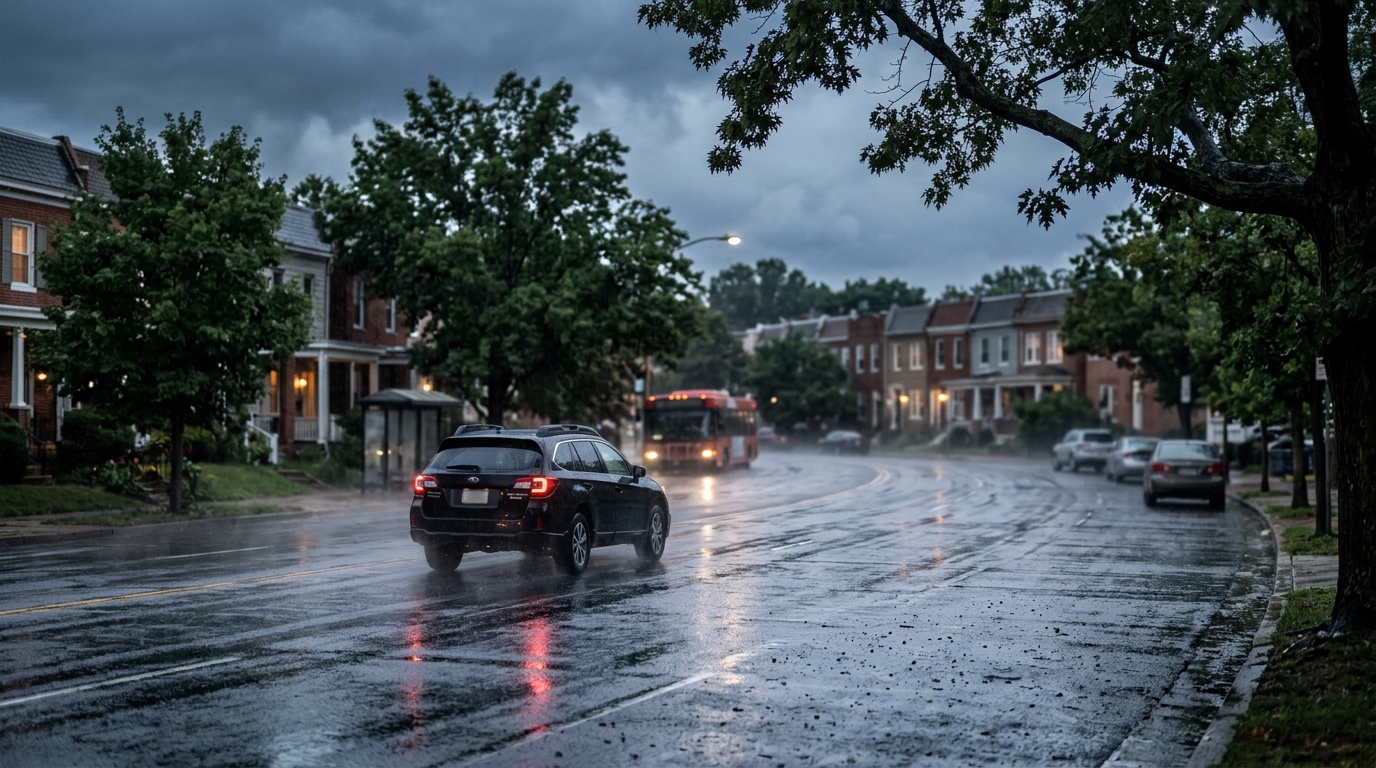
Maryland Severe Storms Awareness Week: Preparing the Old Line State for Nature's Fury
Share this article
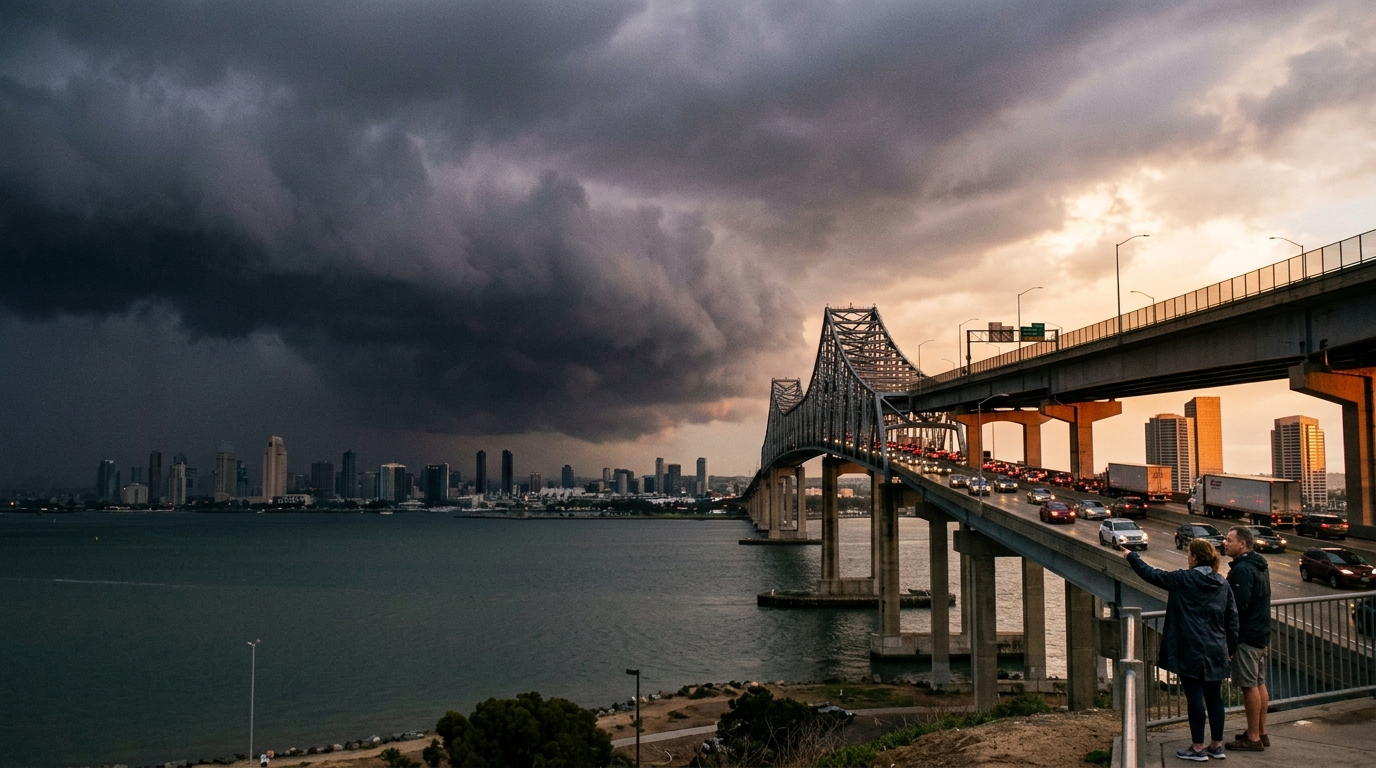
As the spring season brings warmer temperatures and vibrant landscapes to the DMV, it also ushers in the heightened risk of severe weather. For residents across the Old Line State, understanding these threats is paramount, a focus highlighted by events like Maryland Severe Storms Awareness Week. This annual initiative, recently spotlighted by meteorologists like Dalencia Jenkins [1], serves as a critical reminder for communities from Garrett County to the Eastern Shore to review and strengthen their preparedness plans.
Maryland's diverse geography makes it susceptible to a wide array of severe weather phenomena. From powerful thunderstorms capable of producing destructive winds and large hail, to flash floods inundating urban and rural areas, and even the occasional tornado, the state experiences its share of nature's challenges. Severe Storms Awareness Week is strategically timed to equip residents with the knowledge and tools necessary to protect themselves, their families, and their property before the peak of storm season arrives.
Understanding Maryland's Unique Weather Threats
Maryland's position on the Atlantic seaboard, combined with its varied topography, creates a complex weather environment. Thunderstorms are a common occurrence, particularly during late spring and summer. These storms can quickly escalate, bringing dangers such as lightning, which poses a significant threat to life and property, and straight-line winds strong enough to fell trees and damage structures. Hail, sometimes reaching the size of golf balls or larger, can also accompany these storms, causing extensive damage to vehicles and crops.
Beyond thunderstorms, Maryland is no stranger to tornadoes. While less frequent than in the Midwest, these rotating columns of air can strike with little warning, causing catastrophic damage in localized areas. Flash floods are another serious concern, especially in low-lying areas, urban centers with extensive impervious surfaces, and near waterways. Heavy rainfall can quickly overwhelm drainage systems, turning roads into rivers and creating dangerous conditions for drivers and pedestrians alike. The National Weather Service (NWS) consistently emphasizes that a significant portion of flood-related fatalities occur in vehicles, underscoring the danger of driving through flooded roads.
Key Preparedness Steps for Maryland Residents
Effective preparedness begins with a clear understanding of potential threats and a proactive approach to safety. Emergency management officials consistently recommend several core actions for all residents:
- Develop an Emergency Plan: This includes identifying safe places within your home for different types of severe weather, establishing meeting points outside the home and neighborhood, and having a clear communication strategy for family members, especially if separated.
- Build an Emergency Kit: A well-stocked kit should include at least three days' worth of non-perishable food and water, a battery-powered or hand-crank radio, flashlight, extra batteries, a first-aid kit, whistle, dust mask, moist towelettes, garbage bags, and local maps. Don't forget copies of important documents, medications, and supplies for pets.
- Stay Informed: Invest in a NOAA Weather Radio for real-time alerts. Sign up for local emergency notifications from your county or the state. Pay close attention to weather forecasts and warnings issued by the NWS through local news outlets and weather apps.
- Know Your Warnings: Understand the difference between a "watch" (conditions are favorable for severe weather) and a "warning" (severe weather is imminent or occurring). Take immediate action when a warning is issued for your area.
- Practice Drills: Regularly practice your family's emergency plan, including tornado drills and what to do during a power outage.
The Role of Emergency Management Agencies
State and local agencies play a pivotal role in severe weather preparedness and response. The Maryland Emergency Management Agency (MEMA) works tirelessly to coordinate preparedness, response, and recovery efforts across the state. MEMA collaborates with county emergency managers, first responders, and federal partners like the NWS to ensure that Marylanders receive timely warnings and assistance during crises. Their campaigns, like Severe Storms Awareness Week, are designed to empower individuals and communities to take ownership of their safety.
These agencies also provide valuable resources, from downloadable emergency plan templates to detailed guides on specific hazards. They conduct training exercises, public awareness campaigns, and maintain communication channels to disseminate critical information before, during, and after severe weather events. The collective effort of these organizations is vital in building a more resilient Maryland.
Looking Ahead: Staying Vigilant Year-Round
While Maryland Severe Storms Awareness Week provides a concentrated period for education, the principles of preparedness are a year-round commitment. Severe weather can strike at any time, and maintaining a state of readiness ensures that communities are better equipped to handle unexpected events. Regularly checking and updating emergency kits, reviewing family plans, and staying attuned to local weather patterns are habits that can save lives and mitigate damage.
For all Maryland residents, taking the time to engage with these awareness efforts and implement preparedness strategies is an investment in personal and community safety. As meteorologists continue to monitor atmospheric conditions, the responsibility falls to each individual to heed their advice and be ready for whatever the weather may bring.
📍 Local Resources
Provides comprehensive emergency preparedness information, alerts, and resources for Maryland residents.
Offers local weather forecasts, severe weather warnings, and safety information specific to the Maryland and DC region.
Provides disaster relief, emergency preparedness education, and support services for communities impacted by severe weather.
Explore more on this topic
Related Stories
DC Braces for Thursday's Mix of Scattered Showers and Warm Temperatures

Muggy Thursday Ahead: Light Showers and Humidity to Dampen DMV Region
The DMV region is set for a damp and muggy Thursday with light showers and increased humidity, a notable shift from recent crisp fall weather. Residents should prepare for intermittent rain and a sticky feel in the air, impacting commutes and outdoor plans.