Politics
Maryland Senator Calls for Primary Pause, Special Session on Redistricting
Share this article
Advertisement
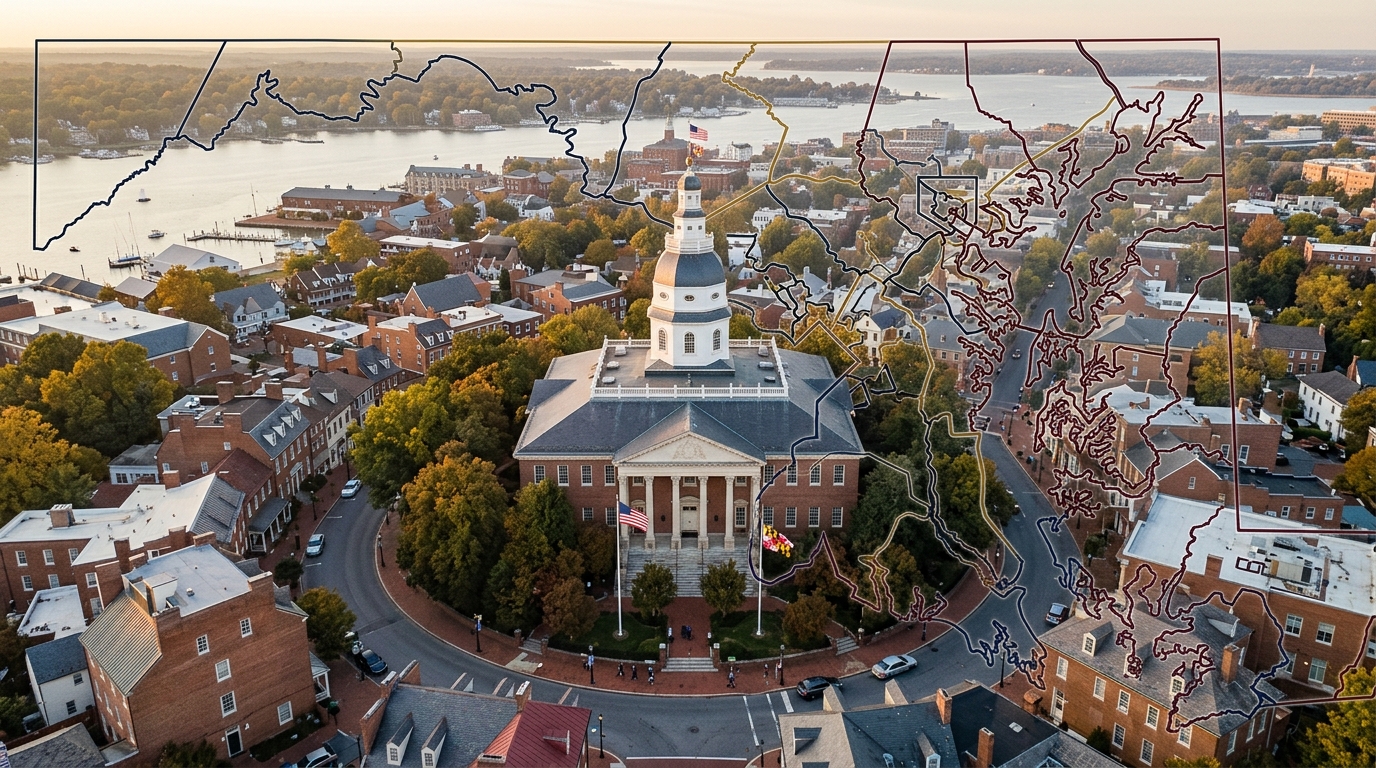
Maryland's upcoming primary election could see a significant shake-up if State Senator Antonio Hayes Ellis of Baltimore has his way. The lawmaker is urging the state to hit the brakes on the primary, pushing instead for a special legislative session focused squarely on the contentious issue of redistricting. It's a move that, if successful, would send ripples through the state's political calendar and potentially alter the electoral landscape for years to come [1]. The call from Senator Ellis shines a spotlight on the ongoing debates surrounding how Maryland's legislative and congressional districts are drawn. These boundaries aren't just lines on a map; they determine who represents communities in Annapolis and Washington D.C., profoundly impacting everything from local funding to state policy. For many, the process is seen as crucial for ensuring fair representation, while critics often argue it can be manipulated for partisan advantage.
The Push for a Special Session
Senator Ellis's proposal for a special session is a direct response to the complexities and controversies often inherent in redistricting. By pausing the primary, he aims to create a dedicated window for lawmakers to address district maps without the immediate pressure of an impending election. This approach, as advocated by Ellis, would allow for a more focused and perhaps less rushed deliberation on boundaries that affect every corner of the state, from the bustling streets of Baltimore to the quiet communities of the Eastern Shore. Maryland's redistricting process, like many states, has historically been a hot-button issue, frequently challenged in courts and debated fiercely in the General Assembly. The drawing of these maps typically follows the decennial census, with new population data guiding where district lines are placed to ensure equal representation. However, the exact shape of these districts can dramatically influence election outcomes, making the process a high-stakes political battle.Redistricting impacts every Maryland voter, shaping who represents them for the next decade.
For residents across the DMV, especially those in Montgomery and Prince George's counties who are heavily impacted by state legislative districts, the outcome of any redistricting effort is keenly felt. Changes could shift the demographics of their representation, influencing which issues get priority in the statehouse. It’s about ensuring that communities, whether urban or rural, have a voice that truly reflects their interests. Impact on the Primary Election
Should Senator Ellis's plea gain traction, the immediate consequence would be a delay of Maryland's primary election. This isn't just a minor schedule adjustment; it impacts candidates who are already campaigning, voters who are preparing to cast their ballots, and the operational logistics for the State Board of Elections. A postponed primary would require a complete recalibration of voter registration deadlines, candidate filing periods, and the entire election administration timeline. The Maryland State Board of Elections typically works months in advance to prepare for primaries, managing everything from polling place assignments to ballot printing. Any delay would require significant coordination and communication to ensure voters are informed and the integrity of the election process is maintained. You can find more information about the state's election calendar on the Maryland State Board of Elections website. Historically, special legislative sessions are convened for urgent matters that cannot wait for the regular legislative session, which typically runs from January to April. Calling one for redistricting, especially one that impacts the election cycle, underscores the perceived urgency and importance of getting the district maps right. The governor holds the power to call a special session, and it would require significant political will to align the various factions within the state government on such a move. More details on legislative proceedings can be found on the Maryland General Assembly's official site.What This Means for DMV Voters
For Marylanders, this development highlights the dynamic and often complex nature of state politics. While the immediate focus is on Senator Ellis's call, the underlying issue of fair and equitable representation remains paramount. Voters across the region should pay close attention to discussions around district boundaries, as they directly influence the effectiveness of their vote. Going forward, residents should watch for further announcements from the Governor's office and the Maryland General Assembly regarding the potential for a special session. Keep an eye on local news outlets and official state channels for updates on the primary election schedule. Your engagement in understanding these processes is key to ensuring your voice is heard in the democratic process.📍 Local Resources
Maryland State Board of Elections
Official source for election dates, voter registration, and district information.
📞 Phone: (410) 269-2840
🌐 Website: elections.maryland.gov
📍 Location: 151 West Street, Suite 200, Annapolis, MD 21401
🕐 Hours: Mon-Fri 8:30am-4:30pm
Maryland General Assembly
Information on state legislation, legislative sessions, and contact details for elected officials.
📞 Phone: (410) 841-3800
🌐 Website: mgaleg.maryland.gov
📍 Location: State House, 100 State Circle, Annapolis, MD 21401
🕐 Hours: Varies during session/interim
Common Cause Maryland
A non-partisan organization advocating for transparent and fair redistricting processes.
🌐 Website: commoncause.org/maryland
📍 Location: (Advocacy organization, no public office for walk-ins)
Advertisement