Politics
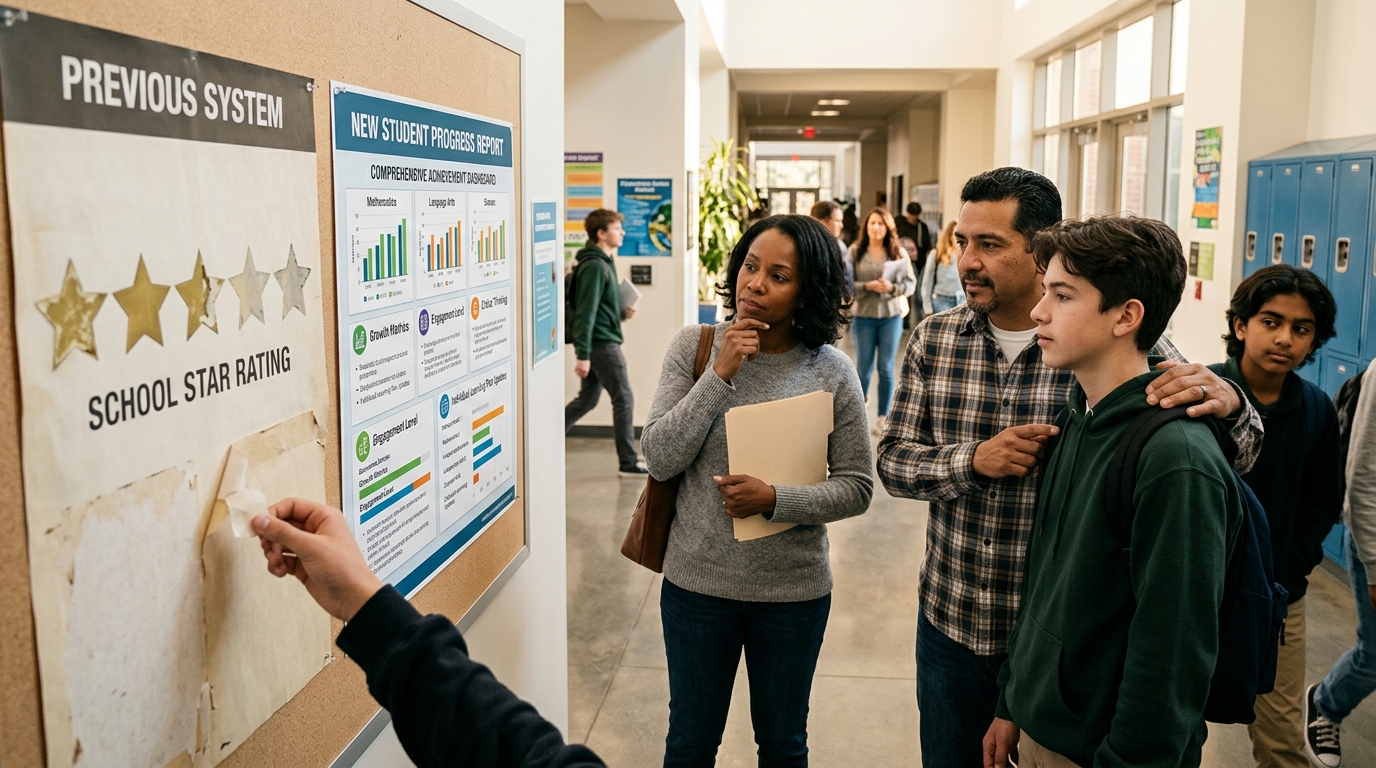
Maryland Begins Work on New School Rating System, Phasing Out Current 'Star' Model
Share this article
Advertisement
Parents across Maryland often look to school rating systems to gauge how local institutions are performing, trying to figure out the best fit for their kids. For years, the state's "star" system has been the go-to metric, offering a quick snapshot of school quality. But that's all about to change. Work is now officially underway to develop a brand-new rating system, signaling a significant shift in how Maryland measures and communicates school performance [1]. This isn't just a tweak; it's a full overhaul. The move suggests a push for a more comprehensive or perhaps clearer way to assess schools than the current star ratings, which have been in place for some time. For families navigating school choices, and for educators dedicated to improvement, this upcoming change will undoubtedly bring new perspectives and, likely, new challenges.
Why the Shift from Stars?
While the initial announcement from WTOP [1] focuses on the start of the work, the decision to replace an established system typically stems from a desire for greater clarity, equity, or a more nuanced understanding of school effectiveness. Maryland's current star rating system, like many state accountability models, was designed to provide transparency and help identify areas for improvement. However, these systems can sometimes be complex, with various metrics contributing to a single, often simplified, rating.Maryland is embarking on the development of a completely new school rating system, replacing its long-standing 'star' model.
The push to replace the star system could reflect a statewide effort to better align with federal accountability requirements, such as those under the Every Student Succeeds Act (ESSA), or simply to create a system that educators, parents, and students find more informative and actionable. It's a chance for the state to re-evaluate what truly defines a "good" school and how best to measure those qualities. What's Next for Maryland Schools?
The "work to begin" phase means that the Maryland State Department of Education (MSDE) and other stakeholders will now delve into the complex process of designing a new framework. This will likely involve extensive research, consultation with education experts, community engagement, and input from parents, teachers, and administrators from across the state's 24 school districts. Developing a robust and fair system is no small feat, requiring careful consideration of various factors beyond just test scores. Think about student growth, graduation rates, school climate, and access to resources – all crucial elements that contribute to a school's overall health and effectiveness. This process will be critical for shaping public perception and ensuring that the new system genuinely serves the needs of Maryland's diverse student population. The MSDE's official website will likely become a key hub for updates as this initiative progresses, offering insights into the evolving criteria and public feedback opportunities. You can keep an eye on developments via the Maryland State Department of Education website.Impact on Students, Parents, and Communities
For parents, especially those looking to move or choose schools, a new rating system could mean a fresh perspective on local options. It might highlight different strengths or weaknesses in schools that weren't as apparent under the old star system. For students, these ratings can sometimes influence resources and support allocated to their schools, so the design of the new system has real-world implications for their educational experience. Communities, too, often rally around their local schools, and a new rating model could shift conversations about local educational priorities and investments. The shift also presents an opportunity for Maryland to potentially lead in innovative ways of assessing schools, moving beyond simple metrics to capture a more holistic view of student success and school environment. The state government's commitment to improving education accountability is a continuous effort, and this new initiative is a significant step in that journey. For more general updates on state policies, the official Maryland government portal is a useful resource. As the state embarks on this important endeavor, residents should stay informed about the process and look for opportunities to provide input. The details of the new system will unfold over the coming months, shaping how Marylanders understand and evaluate their public schools for years to come. What criteria will be prioritized? How will schools be supported to meet new benchmarks? These are the questions that will define the next chapter for Maryland's education landscape.Advertisement
Explore more on this topic
Related Stories
Politics
Councilmember Janeese Lewis George Urges Caution on Waymo Legislation, Citing DC's Jobs Crisis
Howard County·Politics
Ward 4 Councilmember Janeese Lewis George has urged the DC Council to pump the brakes on Waymo legislation this year, warning that rushing autonomous vehicle laws could worsen the city's "jobs crisis" by displacing workers. She emphasizes the need to prioritize safety and worker support alongside technological advancement.
4 days ago6 min read
Politics
Ousted Board of Appeals Chair Sues Howard County Council, Office of Law
Howard County·Politics
Howard County's ousted Board of Appeals chair has filed a lawsuit against the County Council and the Office of Law, initiating a significant legal challenge within the local government structure. This action highlights internal administrative disputes and brings the county's appointment and oversight processes into public scrutiny.
4 days ago5 min read
Politics
Senator Mark Warner to Seek Final Term in Virginia Senate Race Against Military Veteran
Arlington County·Politics
4 days ago4 min read