Community
Maryland Priest Steps Up to Care for 31 Children of Deported Parents
Share this article
Advertisement
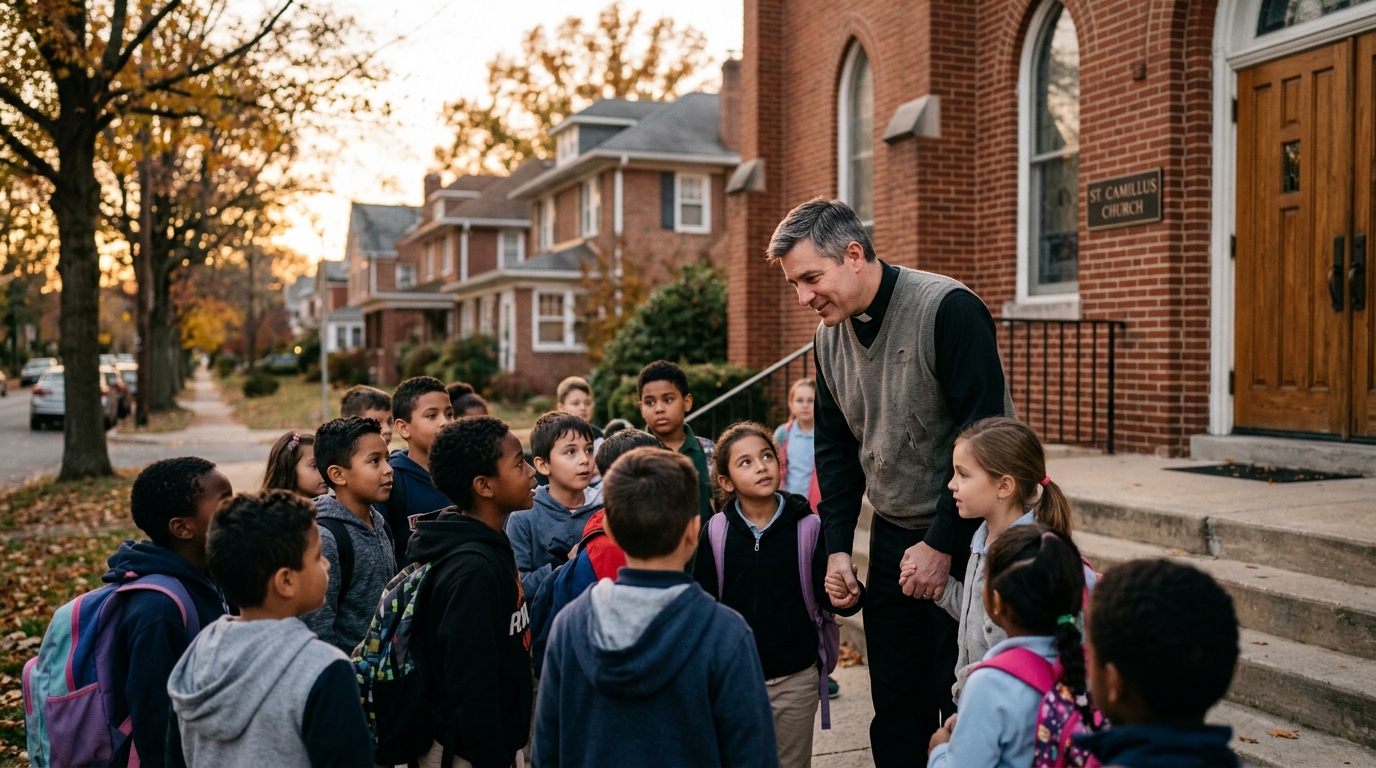
Imagine a child waking up one morning, their parents gone, swept away by immigration enforcement. It's a harsh reality that leaves countless children in limbo, often with nowhere to turn. But in Maryland, one dedicated priest is stepping into that void, making a profound commitment to care for dozens of these vulnerable young people. This compassionate act comes from a Maryland priest who has formally agreed to take on the responsibility for 31 children whose parents have been deported (WTOP). It's a significant undertaking that highlights the immense challenges faced by families impacted by immigration policies and the critical role local communities and faith leaders play in responding to humanitarian needs right here in the DMV. ## A Growing Need in Our Communities The decision by this Maryland priest underscores a pressing, often unseen, crisis within our region. When parents are deported, their U.S.-born children, who are American citizens, or children with legal status, are frequently left behind. These children face immediate needs for shelter, food, education, and emotional support, often without an established support system.
This Maryland priest has signed up to take on the care of 31 children whose parents have been deported.
While federal and state agencies have protocols for child welfare, the sheer volume and complexity of these cases can stretch resources thin. Local religious organizations and non-profits often become the first, or sometimes only, line of defense, offering a safety net where government systems may falter or be perceived as inaccessible by affected families. This priest's initiative is a powerful example of such community-led care. ## The Role of Faith-Based Organizations Across the DMV, faith-based organizations have long been pillars of support for immigrant communities. From providing legal aid clinics to offering language classes and emergency housing, churches, mosques, and synagogues often step in where other services are lacking. This priest's commitment to 31 children is an extraordinary extension of that tradition, moving beyond advocacy to direct, long-term care. Caring for 31 children involves a complex web of logistics, from ensuring they have stable housing and access to schooling to addressing their emotional trauma and connecting them with legal resources. It requires significant financial backing, volunteer support, and a deep understanding of child development and immigrant family dynamics. The priest's initiative will likely involve coordinating with various social services and community groups to provide comprehensive care. Organizations like Catholic Charities of the Archdiocese of Washington, for example, often work to support vulnerable families, including those affected by immigration challenges, illustrating the existing framework that such an effort might tap into. ## Impact on Maryland's Social Services This profound gesture by a local priest also shines a light on the broader strain on Maryland's social services system. While the state has resources for child protective services and foster care, the unique circumstances of children of deported parents present distinct challenges. These children may come from diverse cultural backgrounds, speak different languages, and have specific legal needs related to their parents' immigration status. The Maryland Department of Human Services (DHS) oversees child welfare programs designed to protect children from abuse and neglect. However, a sudden influx of children needing care due to parental deportation can put immense pressure on these systems, requiring innovative solutions and community partnerships. The priest's actions could serve as a model for how faith leaders and community members can collaborate with official channels to provide critical support. It also underscores the need for more robust, coordinated efforts to address the humanitarian consequences of immigration enforcement. ## What This Means for DMV Residents For residents across the DMV, this story is a poignant reminder of the human cost of immigration policies and the vital role local community members play in stepping up. It's a call to recognize the needs within our own neighborhoods and to consider how we can support the most vulnerable among us. The commitment of this Maryland priest to 31 children is a powerful local example of compassion in action. It demonstrates that while large-scale policy debates continue, individuals and communities are finding ways to directly address the immediate needs of children caught in the crossfire. As this effort unfolds, the community will be watching to see how this extensive care network is built and sustained, and what lessons can be learned for supporting other vulnerable populations in the region. 📍 Local Resources
Maryland Department of Human Services (DHS) - Child Welfare
Provides child protective services, foster care, and adoption services for children in need across Maryland.
📞 Phone: 1-800-332-6347 (Child Abuse Hotline)
🌐 Website: dhs.maryland.gov/child-welfare-services
📍 Location: State-wide services, contact local county offices for specific support.
🕐 Hours: 24/7 hotline, office hours vary.
CASA de Maryland
Offers legal services, social services, and community organizing for immigrant and working-class families in Maryland.
📞 Phone: (301) 431-4177
🌐 Website: wearecasa.org
📍 Location: Multiple offices in Maryland, including Langley Park and Baltimore.
🕐 Hours: Mon-Fri 9am-5pm
Kids in Need of Defense (KIND)
Provides free legal representation to unaccompanied immigrant and refugee children in the U.S.
📞 Phone: (202) 827-8200 (DC office, serves region)
🌐 Website: supportkind.org
📍 Location: Washington, DC (serves Maryland and Virginia as well)
🕐 Hours: Mon-Fri 9am-5pm
Advertisement
Explore more on this topic
Related Stories
Community
Former Anne Arundel Sheriff Ron Bateman Teams Up With Ex-Drug Dealer for Tell-All Book
Anne Arundel County·Community
43 minutes ago3 min read
Community
DC Scurries Up to 5th on List of Rattiest US Cities
Howard County·Community
about 2 hours ago4 min read
Community
Historic Palmer & Lamdin Tudor Revival Home in Baltimore's Guilford Listed for $530,000
Community
A historic Palmer & Lamdin Tudor Revival home in Baltimore's Guilford neighborhood, featuring 7 beds, 3 baths, and 3,139 sq ft, is on the market for $530,000. Located at 400 Bretton Place, this 1920-built house showcases unique angular architecture and is nestled in a highly walkable area.
about 3 hours ago5 min read