Breaking
Maryland to Transition Out Key Bridge Contractor as Rebuilding Efforts Continue
Share this article
Advertisement
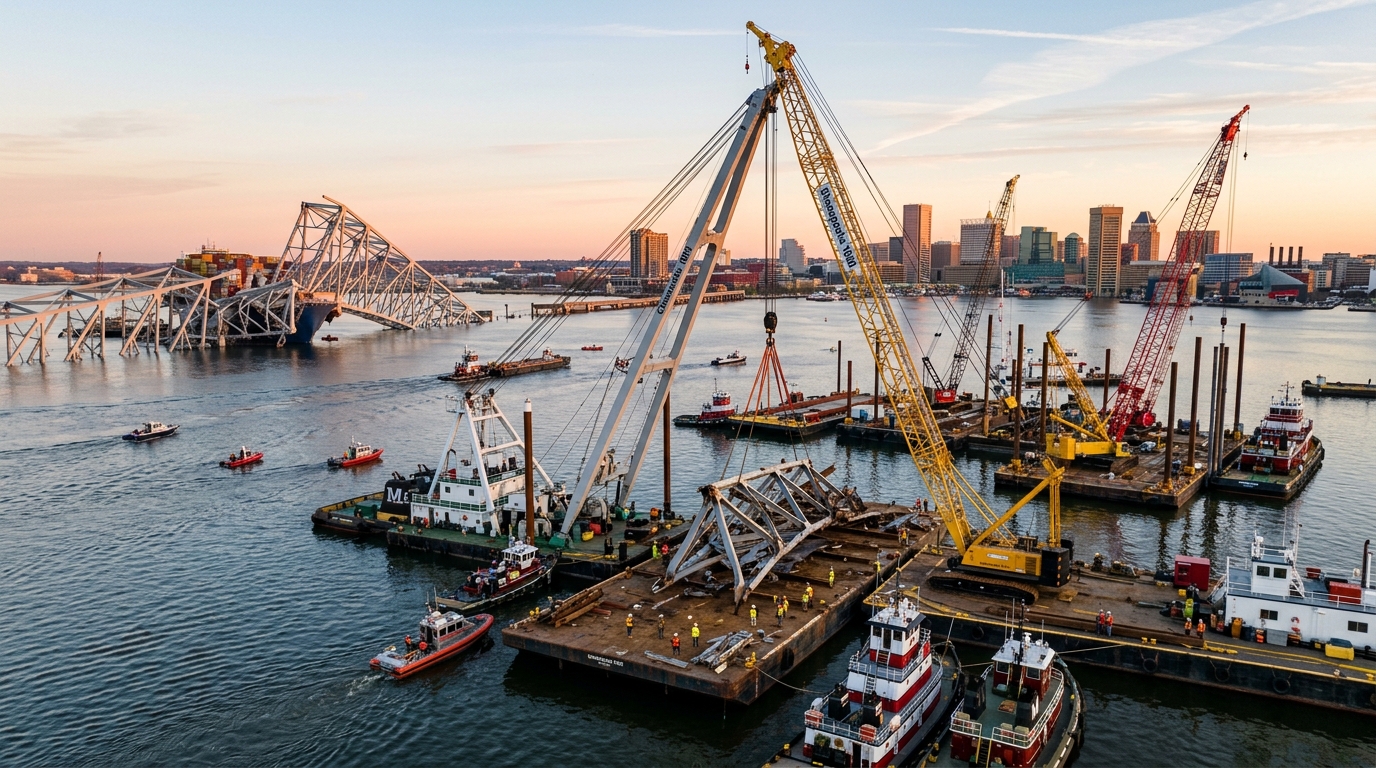
The massive undertaking to rebuild Baltimore's Francis Scott Key Bridge is seeing a significant shift behind the scenes: Maryland officials are preparing to "off-ramp" one of the contractors currently working on the project [1]. This move signals a planned transition in the complex management of the bridge's reconstruction, even as the monumental efforts to clear debris and prepare for rebuilding press on. For residents across the DMV, especially those who rely on the port of Baltimore or have felt the ripple effects of the bridge's collapse, this development raises questions about the project's timeline and the state's strategic approach to its completion. While details about the specific contractor or the reasons behind the transition weren't immediately available, the announcement confirms that Maryland is actively managing the multi-faceted operation.
Navigating the Path Forward for the Key Bridge
The term "off-ramp" in contracting typically refers to a planned exit strategy or a managed transition away from a particular vendor. It doesn't always imply termination due to poor performance, but rather a strategic decision by the client — in this case, the State of Maryland — to reallocate responsibilities or bring in different expertise as a project evolves. Given the unprecedented scale and sensitivity of the Key Bridge project, every decision, no matter how granular, holds immense weight for the region. The collapse of the Francis Scott Key Bridge in March sent shockwaves through the region, disrupting shipping lanes, impacting thousands of jobs, and severing a vital transportation artery. Since then, federal and state agencies have been working tirelessly on cleanup and recovery, with a clear focus on reopening the shipping channel and beginning the full reconstruction of the bridge. This transition in contracting reflects the ongoing, dynamic nature of such a large-scale public works endeavor.Maryland is initiating a contractor transition for the Key Bridge project, signaling ongoing strategic management of the massive rebuilding effort.
The Maryland Department of Transportation (MDOT), along with other state and federal partners, is overseeing what is arguably one of the most complex infrastructure projects in recent memory. Decisions like "off-ramping" a contractor are part of the detailed planning and execution required to ensure the project stays on track, meets safety standards, and is completed as efficiently as possible. It underscores the state's active role in guiding the rebuilding process. Residents can find official updates and information regarding the project on the Maryland Department of Transportation's website. What This Means for the Project Timeline and Local Impact
While the immediate impact of this contractor change on the overall project timeline remains to be seen, the fact that "work continues" [1] suggests a smooth transition is intended. Large infrastructure projects often involve multiple contractors handling different phases or specialized tasks. A change could mean a reallocation of specific tasks, the introduction of a new contractor better suited for upcoming phases, or simply a scheduled conclusion of a particular contract. The Key Bridge's reconstruction is not just about concrete and steel; it's about reconnecting communities and restoring economic vitality to the Port of Baltimore. The port is a major economic engine for Maryland and the wider DMV area, supporting thousands of jobs and facilitating billions of dollars in trade. Keeping the project moving forward efficiently is paramount. Information on the port's operations and recovery efforts is often available through the Maryland Port Administration. This development highlights the intricate dance of public-private partnerships in major infrastructure endeavors. State officials are constantly evaluating progress, resources, and strategies to ensure the best outcomes. The goal remains clear: to rebuild the Key Bridge and restore full functionality to the Baltimore shipping channel as swiftly and safely as possible. For those interested in the broader context of federal involvement in such projects, resources like the U.S. Department of Transportation offer insights into national infrastructure initiatives. As the state moves forward with this contractor transition, DMV residents should keep an eye on official announcements from Maryland transportation authorities for further details on the project's progress. Future updates are likely to shed more light on the new contracting structure and any potential implications for the rebuilding schedule.Advertisement