Mother of Maryland Murder Victim Fights Home Release for Quadruple Amputee Suspect in Montgomery County Case
Share this article
The Case That Shook a Montgomery County Community
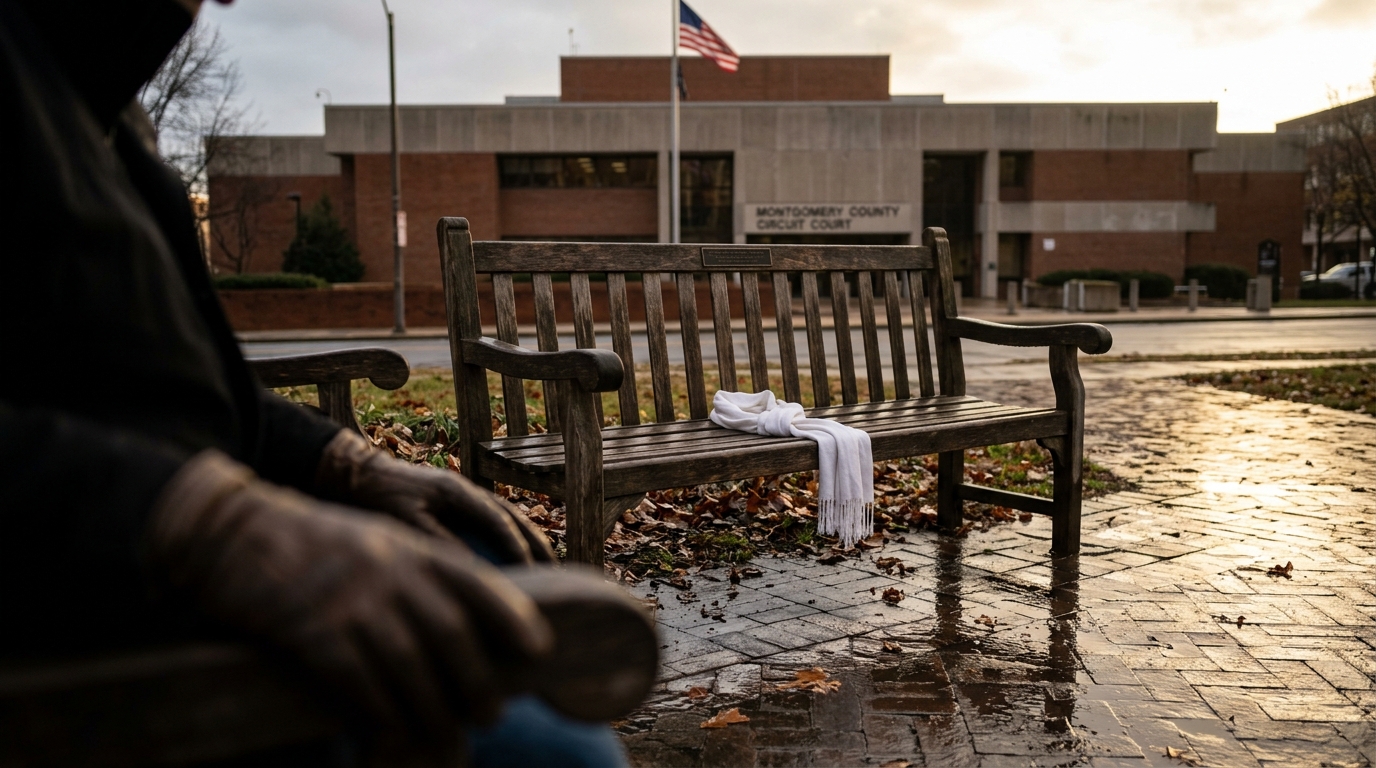
The murder of Sarah Jenkins sent shockwaves through her Montgomery County neighborhood. According to court records and investigative reports, Sarah, a vibrant young woman, was found deceased in late 2022. Marcus Thorne was apprehended shortly thereafter and charged with her murder. The details of the crime, as presented by prosecutors in the Montgomery County Circuit Court, painted a grim picture, leading to Thorne's continued detention pending trial. The legal process for such a grave accusation is often lengthy, marked by numerous hearings and procedural motions. It's a period of agonizing waiting for victims' families, who often seek closure and accountability through the courts. For Eleanor Jenkins, every court date, every legal maneuver, reopens the wound of her daughter's loss, and the prospect of Thorne being released from secure custody adds an unbearable layer of anguish.A Defendant's Dire Health Condition
Marcus Thorne's transformation into a quadruple amputee occurred during his incarceration. While the exact medical details remain under seal, it's understood that a severe infection or a critical health complication led to the life-saving amputations of his arms and legs. This profound change in his physical state has become a central argument for his defense team, who are advocating for his release from detention into home confinement. The defense argues that Thorne's condition renders him incapable of posing a flight risk or a significant physical threat to the community. They emphasize the extensive and specialized medical care required for a quadruple amputee, suggesting that such care is difficult and costly to provide adequately within a correctional facility. Their plea to the court is often framed around humanitarian grounds, asserting that continued incarceration, given his severe disability, amounts to undue hardship and a disproportionate burden on the state's resources.Eleanor Jenkins' Unyielding Stance
For Eleanor Jenkins, the emotional toll of this legal development is immense. She has expressed her opposition to Thorne's home release with unwavering conviction, making her voice heard in court and through media reports. Her perspective is rooted in the pain of her loss and the belief that justice demands accountability for her daughter's murder. "My daughter doesn't get to come home," Ms. Jenkins reportedly conveyed through her representatives, emphasizing the stark contrast between Thorne's potential release and Sarah's permanent absence. Her concerns extend beyond the symbolic; she worries about the precedent such a release could set and the message it sends to other victims and their families in Montgomery County and across Maryland. The emotional weight of seeing an alleged perpetrator, even one with severe disabilities, potentially living in relative comfort while her daughter lies in a grave, is a central theme of her opposition. For Ms. Jenkins, the argument is simple: a life was taken, and the accused must face the full consequences within the established legal framework, regardless of subsequent medical conditions.The Legal Labyrinth of Compassionate Release
The legal system in Maryland, like many states, does have provisions for compassionate release or medical parole, though these are typically more common for convicted inmates serving long sentences who are terminally ill or incapacitated to the point of posing no threat. In cases where a defendant is awaiting trial, the decision to grant home release or a change in detention status due to medical reasons involves a delicate balancing act for the courts. Judges must consider several factors: the nature and circumstances of the alleged crime, the defendant's criminal history, the likelihood of flight, and the danger the defendant poses to the community. When a defendant's physical condition severely limits their mobility, these factors are re-evaluated. However, the severity of the charges, particularly murder, often weighs heavily against release. The Maryland Judiciary guidelines underscore the importance of public safety in all bail and detention decisions. Legal experts familiar with Maryland's criminal justice system point out that while a defendant's medical condition is a legitimate consideration, it rarely overrides the state's compelling interest in prosecuting violent crimes and ensuring public safety. The court's role is to ensure due process while safeguarding the community and respecting the rights of victims. Any decision regarding Thorne's release would involve extensive medical evaluations, security assessments, and careful deliberation of legal precedents.Implications for Montgomery County and Beyond
This case in Montgomery County resonates deeply within the local community and has broader implications for how the justice system balances humanitarian concerns with the pursuit of justice for victims. Residents of the DMV area often watch such cases closely, as they reflect on the values of their communities and the effectiveness of their legal institutions. Should the court grant home release, it could spark significant public debate about the criteria for such decisions, particularly in high-profile murder cases. Conversely, denying the release, while providing solace to the victim's family, would reinforce the principle that severe crimes warrant secure detention, regardless of a defendant's subsequent health challenges. The outcome will set a precedent for similar complex cases in Maryland, influencing how future medical-based release requests are handled for defendants accused of violent offenses. What happens next in the Montgomery County Circuit Court for Marcus Thorne will be closely watched by Eleanor Jenkins, her family, and concerned residents across Maryland. The court's decision will not only shape the future of this particular case but also contribute to the ongoing conversation about justice, compassion, and accountability within our legal system. For now, Eleanor Jenkins remains steadfast in her resolve, a mother fighting tirelessly to ensure her daughter’s memory is honored through the unwavering pursuit of justice.📍 Local Resources
Provides support, advocacy, and information to victims of crime and their families throughout the judicial process in Montgomery County.
Offers legal assistance, advocacy, and support to victims of crime and their families across Maryland, ensuring their rights are protected.
Provides free civil legal services to low-income individuals, which can include advice on victim rights or navigating the criminal justice system.
Explore more on this topic
Related Stories

Teen Struck by Vehicle Near Chantilly High School, Prompting Community Safety Concerns
Texas Man Charged After Allegedly Hitting Montgomery County Officer with Gun in Germantown Corvette Theft Probe
A Texas man faces serious charges after allegedly striking a Montgomery County police officer with a gun during a stolen Corvette investigation in Germantown.

Hyattsville Officer's 27-Year Sentence for Child Sexual Abuse Jolts Community Trust
A Hyattsville police officer has been sentenced to 27 years in prison for the sexual abuse of a minor, a decision that has deeply shaken the community's trust in local law enforcement.