Maryland Lawmakers Reach Agreement on Utility Bill Relief for Residents
Share this article
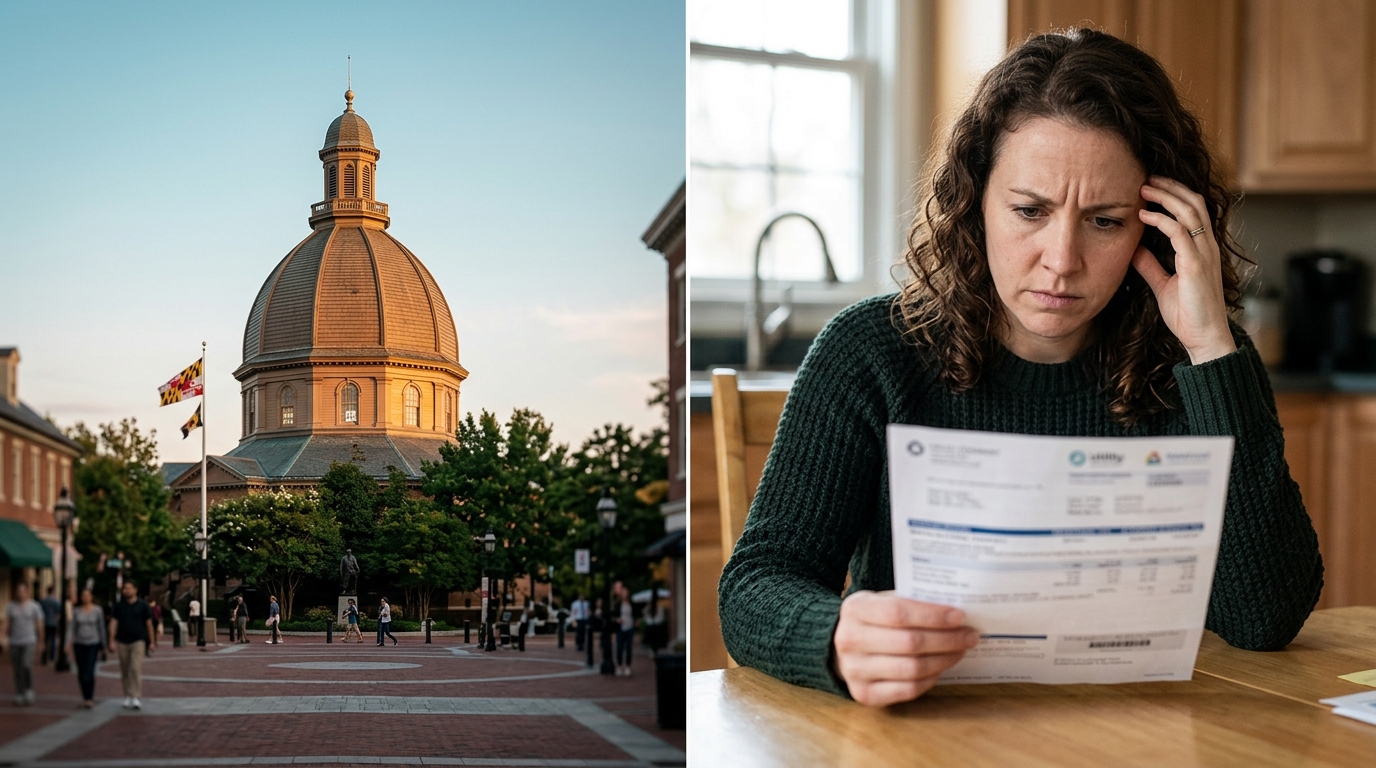
Annapolis, MD – Maryland's legislative chambers have reportedly reached a critical agreement on legislation aimed at providing relief to consumers grappling with utility bills. The accord, forged between the Maryland House and Senate, signals a significant step towards alleviating financial pressures for residents across the state [1].
While specific details of the compromise legislation are still emerging, sources familiar with the discussions indicate that lawmakers have successfully reconciled differences to advance a measure designed to ease the burden of energy costs [1]. This development comes as many Maryland households continue to face fluctuating and often rising expenses for electricity, natural gas, and other essential services.
Addressing Maryland's Energy Cost Challenges
The push for utility bill relief reflects a broader recognition within the state government of the financial strain that energy costs place on residents. Factors such as inflation, supply chain issues, and global energy market volatility have contributed to higher utility rates in recent years, impacting household budgets from Prince George's County to the Eastern Shore.
Advocates for consumer protection and low-income communities have consistently highlighted the need for robust programs to ensure that essential utility services remain affordable and accessible. This legislative agreement represents a direct response to those calls, aiming to provide tangible support where it is most needed.
The Path to Legislative Agreement
Reaching a consensus between the House and Senate on complex legislation often involves extensive negotiations and compromises. Different priorities and approaches to consumer relief can emerge from each chamber, necessitating a collaborative effort to bridge divides.
While the exact nature of the "agreement" remains to be fully disclosed, it typically involves a conference committee process where delegates and senators from both chambers iron out discrepancies between their respective versions of a bill. This ensures that the final legislation is palatable to a majority in both the House and the Senate before it proceeds to a final vote.
Once formally passed by both legislative bodies, the bill will then head to Governor Wes Moore for his signature, which would enact it into law. The timing of these final legislative steps and the Governor's review will determine when Marylanders can expect to see the effects of this relief.
Potential Forms of Utility Relief
Without specific details from the lawmakers regarding this particular agreement, utility relief legislation can take various forms. Common mechanisms include direct bill credits, expansion of existing energy assistance programs like the Maryland Energy Assistance Program (MEAP), or initiatives aimed at improving energy efficiency to reduce long-term costs for consumers.
For instance, the Maryland Public Service Commission (PSC), which regulates utility companies in the state, often plays a role in implementing and overseeing such programs. Any new legislation would likely interact with existing regulatory frameworks to ensure fair and effective distribution of relief.
Maryland residents are encouraged to stay informed about the specifics of this legislation as they become available. Details on eligibility, application processes, and the amount of relief will be crucial for those looking to benefit from the new measures. Information will typically be disseminated through state government channels, utility companies, and local community organizations.
The agreement underscores the Maryland General Assembly's commitment to addressing the economic realities faced by its constituents. As the legislative session progresses, the full scope and impact of this utility bill relief will become clearer, offering a measure of financial reprieve to many across the state.
📍 Local Resources for Utility Assistance (Maryland)
Provides financial assistance to low-income households to help with heating and cooling costs. Applications are processed through local agencies.
Helps eligible low-income electric customers pay their electric bills and reduce past-due balances. Administered through local OHEP offices.
Regulates gas, electric, telephone, water, and sewage companies in Maryland. Offers resources and information regarding consumer rights and utility services.
Explore more on this topic
Related Stories
Arlington Leaders Eye Federal Shifts After "Historic Tsunami" of Democratic Wins
Arlington leaders are celebrating a "historic tsunami" of Democratic wins in Congress, hoping the shift will bring renewed focus on federal worker pay, Metro funding, and environmental protections vital to the community.
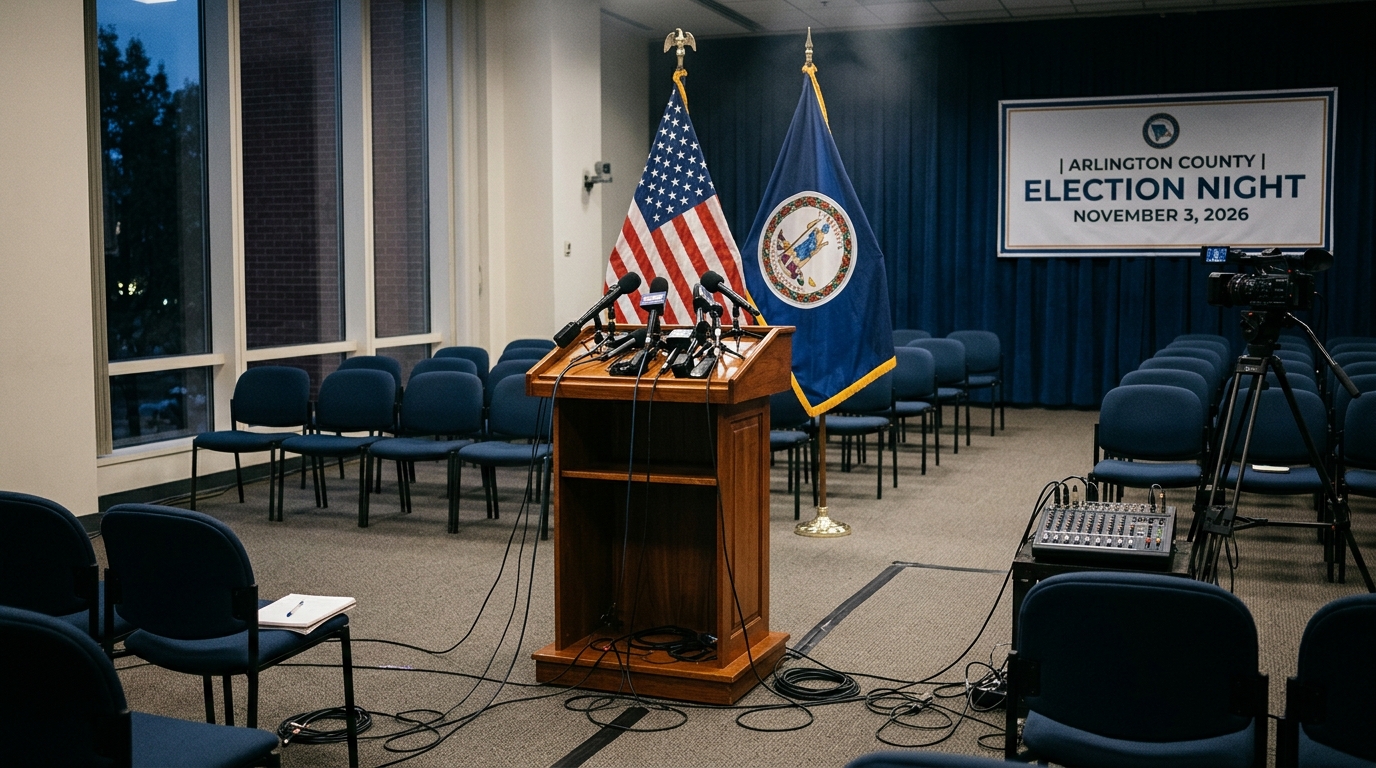
Arlington Democrats Turn Eyes to Congress as Local Races Conclude on Election Night
Arlington Democrats gathered in Shirlington on election night, November 3, 2026, found themselves quickly turning their attention from decisive local victories to the high-stakes national battle for control of Congress.
Virginia Midterms: How Election Outcomes Could Reshape the Commonwealth's Constitution and Congressional Map
Midterm election results in Virginia could trigger significant changes to the state's constitution and its congressional delegation, impacting representation and governance for DMV residents for years to come.