Breaking
Maryland Shifts Gears on Key Bridge Rebuild Contractor
Share this article
Advertisement
A significant development has emerged in the monumental effort to reconstruct the Francis Scott Key Bridge, with Maryland officials deciding to part ways with Omaha-based Kiewit for the critical project [1]. This change signals a new phase in the ambitious undertaking to restore one of the region's most vital transportation links. The decision comes as the state continues to navigate the complex aftermath of the bridge's tragic collapse earlier this year. The Key Bridge's destruction sent shockwaves across the DMV, disrupting shipping lanes, snarling traffic, and impacting countless livelihoods. Rebuilding it isn't just a construction project; it's a symbol of resilience for the entire region. Any shift in the project's leadership or contracting team, especially for a job of this magnitude and public importance, naturally draws considerable attention.
The Road to Reconstruction
Since the catastrophic incident, Maryland has moved with impressive speed to clear the wreckage and lay the groundwork for a new bridge. The scale of the task is immense, involving not only the physical construction but also intricate planning, environmental considerations, and coordination with various federal and local agencies. The state's commitment to a rapid but thorough rebuild has been a consistent message from Governor Wes Moore and the Maryland Department of Transportation (MDOT). Large-scale infrastructure projects like the Key Bridge rebuild are inherently complex, often involving multiple contractors, subcontractors, and specialized teams. The initial stages typically involve extensive engineering assessments, design finalization, and the selection of firms with the expertise and capacity to handle such a massive undertaking. The decision to remove a contractor like Kiewit, a company known for its work on major infrastructure projects across the nation, underscores the dynamic nature of these endeavors.Implications of a Contractor Change
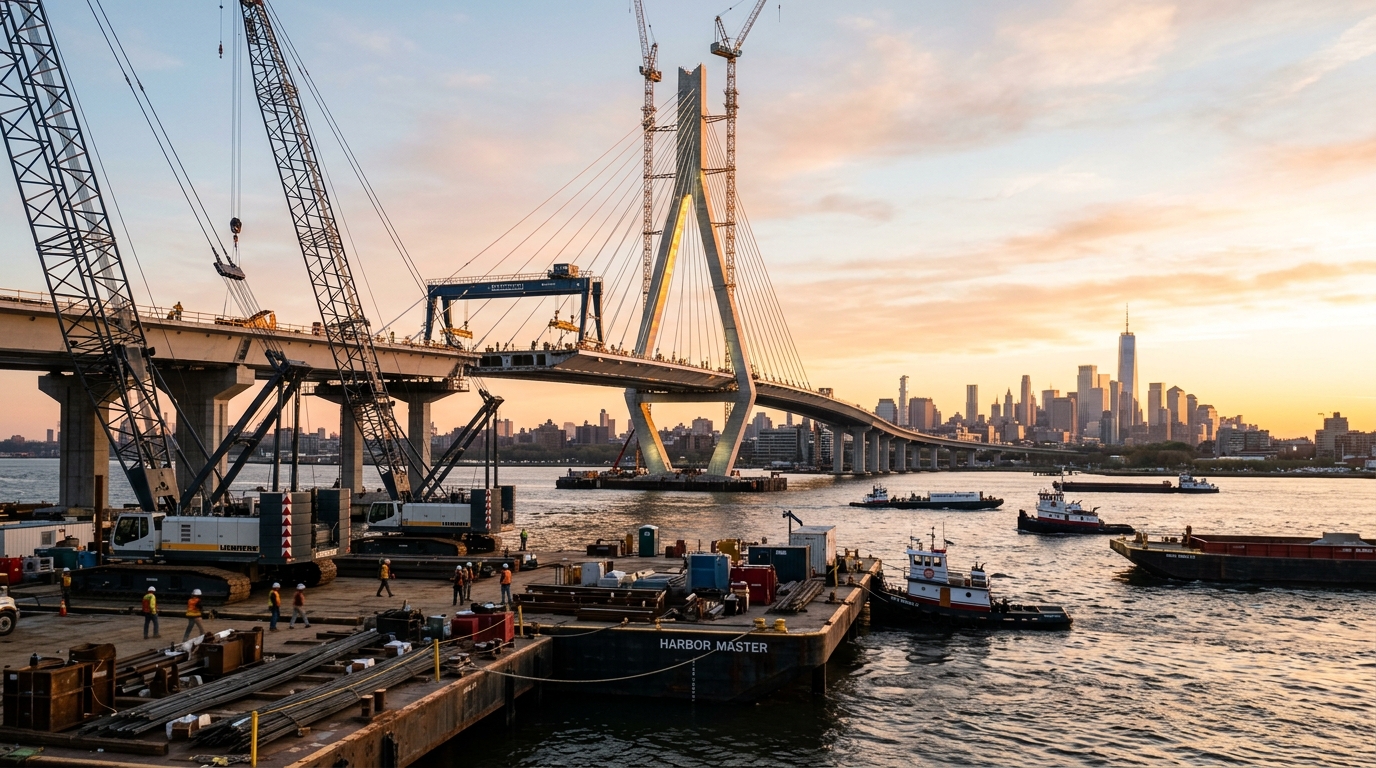
While the specific reasons for Maryland's decision regarding Kiewit were not immediately detailed [1], a change in primary contractors on a project of this scale can have several potential implications. It might involve a re-evaluation of project timelines, a shift in management strategies, or adjustments to the overall project budget. For residents and businesses eager to see the bridge restored, any such development raises questions about the path forward. The selection of contractors for public works is a rigorous process, often involving competitive bidding, extensive review of qualifications, and adherence to strict state and federal guidelines. Maryland's procurement process aims to ensure that projects are completed efficiently, safely, and within budgetary constraints. When a contractor change occurs, it typically means that officials are re-aligning resources or strategies to best meet these objectives.Rebuilding the Francis Scott Key Bridge is one of the most significant infrastructure projects in Maryland's history, crucial for regional commerce and transportation.
The Maryland Department of Transportation, through its various agencies, plays a central role in overseeing these projects. They work closely with federal partners like the Federal Highway Administration to ensure funding and regulatory compliance. The sheer volume of work, from debris removal to foundation work and actual bridge construction, requires meticulous planning and execution. The state's focus remains on delivering a new bridge that is resilient and serves the community for generations to come. Looking Ahead for the Key Bridge Project
As Maryland moves forward without Kiewit, the focus will undoubtedly turn to the new contracting arrangements and how this will impact the ambitious timeline for the Key Bridge's completion. The state has been clear about its desire to open the new bridge as quickly as possible, a sentiment echoed by the thousands of commuters and businesses that rely on the vital artery. DMV residents, particularly those in Baltimore and surrounding areas, will be keenly watching for further announcements from state officials regarding the new contractor and any updated project schedules. The reconstruction of the Key Bridge isn't just about concrete and steel; it's about reconnecting communities and restoring economic flow to the Port of Baltimore. The coming weeks and months will likely bring more clarity on how this strategic shift impacts the monumental task ahead. For the latest updates, residents can monitor official announcements from the Maryland Department of Transportation.Advertisement