New Maryland Law Shifts Juvenile Justice Approach, Ending Automatic Adult Charges for Some Youth
Share this article
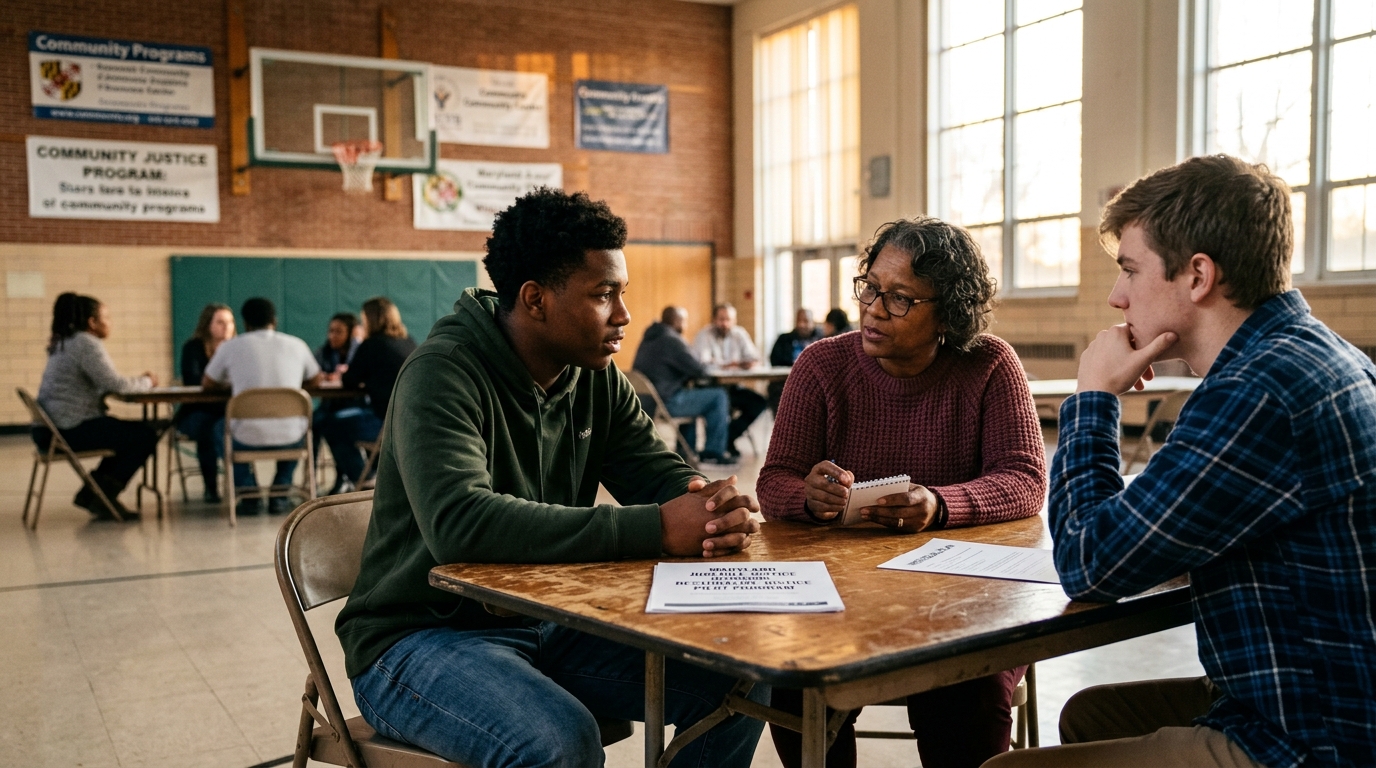
Rethinking Juvenile Waivers to Adult Court
Historically, states, including Maryland, have had provisions that allow or even mandate the transfer of juvenile cases to adult criminal court, a process often referred to as "waiver" or "bindover." This could happen for various reasons, such as the severity of the alleged crime, the age of the offender, or a combination of factors. When a juvenile is tried as an adult, they face adult sentences, which can include lengthy prison terms, and acquire a permanent adult criminal record, drastically altering their life trajectory. The newly enacted Maryland law steps back from this automatic process for certain categories of offenses. While the specifics of which offenses are covered would typically be detailed in the legislation itself, the core implication is a move towards requiring a judicial review or a more deliberate process before a young person is subjected to the adult system. This means that instead of a blanket rule, a judge or juvenile court will now likely have the discretion to assess whether a juvenile's case should remain in the juvenile system, which is generally designed for rehabilitation, or be transferred to the adult system.Impact on Maryland Communities and Youth
This legislative change has direct implications for residents across Maryland, particularly in jurisdictions like Montgomery County and Frederick County, where local law enforcement and courts will now operate under these revised guidelines. Families with children navigating the justice system will find a potentially different landscape, one that may offer more opportunities for their child's case to remain within the juvenile framework. For communities, the hope is that a more rehabilitative approach could lead to better outcomes for young people, reducing recidivism and fostering healthier transitions into adulthood. The shift could also ease some of the burden on the adult correctional system by keeping younger offenders in facilities and programs better equipped to address their specific needs. This isn't just about being "soft on crime"; it's about being "smart on crime" by investing in solutions that have a higher chance of preventing future offenses. The Maryland State Archives details the extensive history of the state's legal framework, showing how these laws evolve with societal understanding and priorities.A Broader Trend Towards Juvenile Justice Reform
Maryland isn't alone in re-evaluating its approach to juvenile justice. Many states across the nation have been moving away from policies that automatically transfer juveniles to adult courts, especially for non-violent or less severe offenses. These reforms are often driven by a combination of factors: new scientific understanding of adolescent development, concerns about racial disparities in the justice system, and a growing recognition that the punitive approach often fails to address the root causes of juvenile delinquency. The goal of these reforms is generally to ensure that young people are held accountable for their actions in a way that is age-appropriate and maximizes their potential for successful reintegration into society. The Maryland Department of Juvenile Services plays a crucial role in providing supervision, care, and treatment to youth committed to its custody or under its supervision. This new law likely empowers DJS to play an even more central role in guiding these young lives. While the full impact of this new Maryland law will unfold over time, it signals a clear commitment to a justice system that differentiates between the accountability expected of adults and the unique developmental stage of adolescents. It's a move that many hope will lead to more equitable outcomes, stronger communities, and brighter futures for the state's youth. Residents and legal professionals across the DMV will be watching closely to see how this new framework is implemented and what data emerges regarding its effectiveness in reducing juvenile crime and supporting rehabilitation.📍 Local Resources
Provides supervision, care, and treatment services for youth involved in the juvenile justice system.
Offers free civil legal services to eligible low-income individuals, including representation for juveniles.
A non-partisan
Explore more on this topic
Related Stories

Montgomery County Police Chief Nominee Defends Against Fraud Claims
A nominee for Montgomery County Police Chief is actively defending against fraud claims, raising significant questions about the rigorous vetting process for top public safety roles in the DMV. This development puts a spotlight on public trust and accountability for leadership in Montgomery County.
Alsobrooks Renews Call for RFK Jr.'s Resignation Over Misinformation
Prince George's County Executive Angela Alsobrooks has renewed her call for Robert F. Kennedy Jr.'s resignation, citing his "dangerous and unacceptable" spread of misinformation on public health issues, including COVID-19. This push from the U.S. Senate candidate highlights the ongoing political and scientific debate impacting the DMV.

DMV Democrats Ride High on Sustained "Blue Wave" Sentiment
DMV Democrats are celebrating a sustained "blue wave" of electoral success, solidifying their power and pushing progressive agendas across the region. This isn't just about winning; it's about a deep-seated political identity and what it means for local governance and federal representation.