Community
Montgomery County
Maryland Embraces Green Goodbye: Human Composting Now an Option for Residents
Share this article
Advertisement
For many in the DMV, finding ways to live a more sustainable life extends beyond recycling bins and electric vehicles. It’s a philosophy that now, in Maryland, can stretch all the way to how we say goodbye. The state has officially opened the door to human composting, offering residents an environmentally conscious alternative to traditional burial or cremation. This innovative end-of-life practice, formally known as natural organic reduction, transforms human remains into nutrient-rich soil. It’s a significant shift in the funeral industry, reflecting a growing desire for eco-friendly choices even after death. Maryland joins a small but increasing number of states where this process is legally recognized, marking a new era for sustainable death care in the region.
As Marylanders consider their choices, the conversation around end-of-life care will undoubtedly evolve. Keep an eye on local funeral service providers and state regulatory updates for more details on how this new option will be implemented and what facilities will begin offering it. It's a development that could reshape how many in the DMV approach their final resting place.
What Exactly is Human Composting?
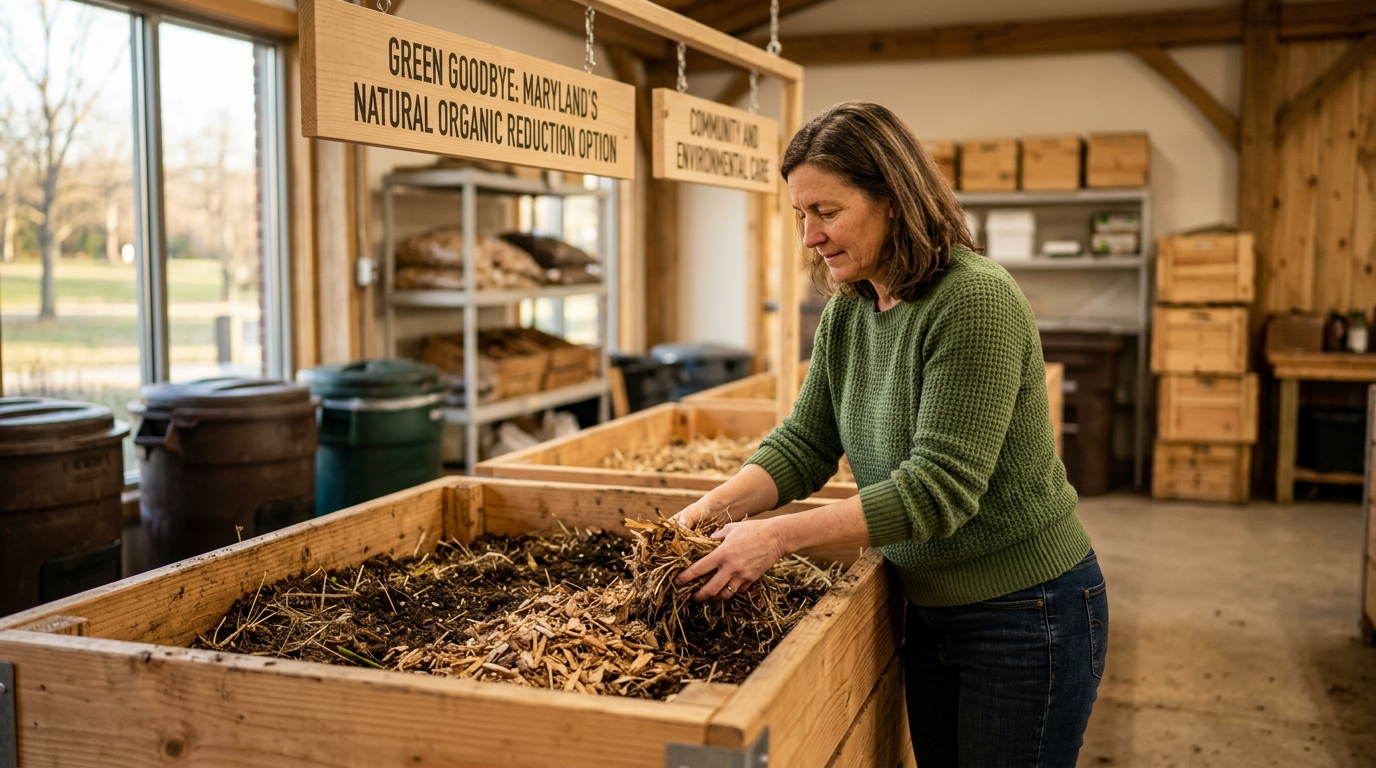
Unlike conventional burial, which uses embalming chemicals and non-biodegradable caskets, or cremation, which releases carbon emissions, human composting offers a gentler return to the earth. The process typically involves placing the deceased's body into a specialized vessel alongside organic materials like wood chips, alfalfa, and straw. Over several weeks, microbes naturally break down the body, accelerating decomposition. The result is a cubic yard of clean, usable soil, free of pathogens and suitable for enriching gardens, forests, or memorial sites. It's a method that proponents say embodies a cycle of life, giving back to nature rather than taking from it. The Washington Post reports that this process "breaks down corpses until they become dirt" [1].A Growing Trend for Eco-Conscious Residents
The appeal of human composting is straightforward for those prioritizing environmental impact. It significantly reduces the carbon footprint associated with end-of-life arrangements. Cremation, while common, uses large amounts of fossil fuels and releases greenhouse gases. Traditional burial consumes land, often requires toxic embalming fluids, and introduces non-biodegradable materials into the earth.Human composting is one of the funeral industry's fastest-growing trends.
As more Marylanders become aware of their ecological impact, from the food they eat to the energy they consume, it's natural that these considerations extend to their final arrangements. The rise of this option reflects a broader societal shift towards sustainability and a desire for meaningful, earth-friendly ways to honor loved ones. It’s an "eco-friendly" option that's rapidly gaining traction [1]. Maryland's Place in the Green Funeral Movement
For years, residents across the DMV have sought out more natural alternatives, sometimes traveling to states where green burial options were more readily available. Now, with human composting legal in Maryland, these choices are closer to home. This legislative change means that funeral homes and specialized facilities within the state can now offer this service, providing a regulated and accessible option for Marylanders. The move puts Maryland at the forefront of progressive death care, aligning with its commitment to environmental stewardship. Families in Montgomery County, Frederick County, and beyond will now have a new, meaningful way to honor their loved ones while contributing positively to the environment. Understanding the legal framework for such services is often handled by the Maryland Department of Health, which oversees vital records and funeral services.What This Means for DMV Residents
This new option provides a profound choice for Maryland residents contemplating their own end-of-life plans or those of a loved one. It’s not just about a different method; it's about aligning personal values with final arrangements. Families can now discuss and plan for a process that supports ecological restoration, turning what might traditionally be seen as an end into a new beginning for natural ecosystems. As this trend continues to grow, we can expect to see more facilities and services emerge across Maryland, making this eco-conscious choice even more accessible. Residents interested in learning more about this process and other green funeral options should consult with licensed funeral directors in Maryland who specialize in alternative death care. Information on funeral home licensing and regulations can typically be found on the Maryland Board of Morticians and Funeral Directors website. The availability of human composting in Maryland marks a significant step forward in offering diverse, sustainable end-of-life choices. It invites a conversation about how we can continue to care for our planet, even after we're gone.📍 Local Resources
Maryland Board of Morticians and Funeral Directors
Regulates funeral service professionals and establishments in Maryland, providing consumer information and licensing details.
📞 Phone: (410) 230-6262
🌐 Website: dllr.state.md.us/license/funerals/
📍 Location: 500 N Calvert St, Baltimore, MD 21202
🕐 Hours: Mon-Fri 8:30am-4:30pm
Green Burial Council
A non-profit organization that certifies funeral homes, cemeteries, and product manufacturers for green funeral practices. Provides resources for consumers seeking eco-friendly options.
🌐 Website: greenburialcouncil.org
Maryland Department of Health - Vital Statistics
Provides information and services related to death certificates and other vital records in the state of Maryland.
📞 Phone: (410) 764-5981
🌐 Website: health.maryland.gov/vsa/Pages/death.aspx
📍 Location: 6764-B Reisterstown Rd, Baltimore, MD 21215
🕐 Hours: Mon-Fri 8am-4:30pm
Advertisement