Politics
Montgomery County
Maryland Lawmakers Tackle "Predatory" Grocery App Pricing to Protect Shoppers
Share this article
Advertisement
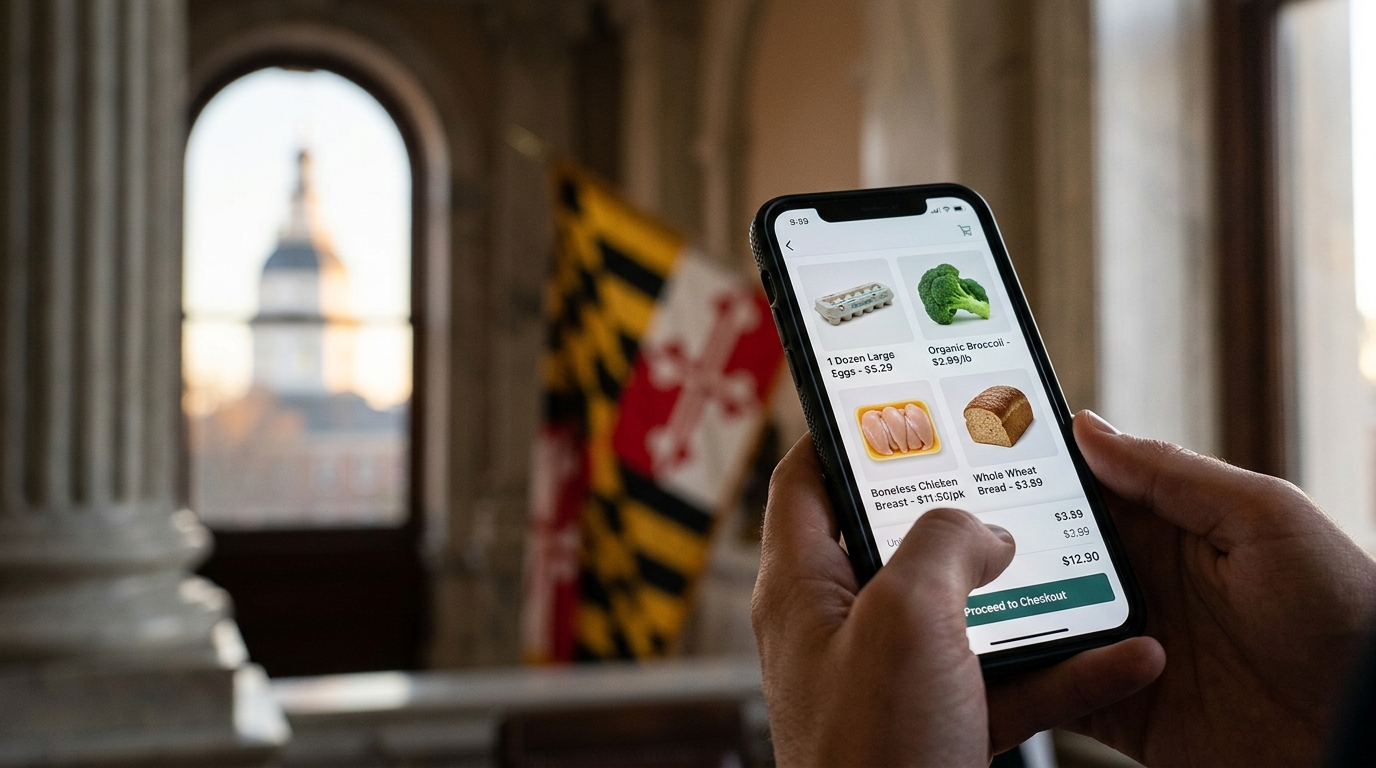
Ever felt like the price of that gallon of milk changed between when you added it to your online cart and when you checked out? Or that the "deal" on your favorite cereal only showed up after you'd scrolled through a dozen other items? Maryland lawmakers are taking a hard look at these digital disappearing acts, pushing legislation aimed at bringing more transparency and fairness to how grocery apps price our everyday essentials.[1] The state is moving to address what some are calling "predatory pricing" tactics employed by grocery store applications, an issue that hits right in the wallet for families across the DMV. With more and more residents relying on online ordering and delivery services, the way these apps operate has become a significant concern for consumer advocates and elected officials alike.
The Push for the Predatory Pricing Act
Maryland Governor Wes Moore's administration, along with state legislators, is championing a new initiative, sometimes referred to as the "Predatory Pricing Act," designed to rein in some of the more opaque practices in digital grocery retail.[1] The core idea is simple: make sure consumers know exactly what they're paying for and prevent apps from manipulating prices in ways that disadvantage shoppers. This isn't just about a few cents here or there; it's about the cumulative effect on household budgets already stretched thin by inflation.Maryland's proposed "Predatory Pricing Act" aims to increase transparency in grocery app pricing.
The legislation targets several key areas. One major concern is dynamic pricing, where the cost of an item can fluctuate based on demand, time of day, or even a user's browsing history.[1] While dynamic pricing isn't new in other sectors, its application to essential groceries raises questions about equity and access, especially for vulnerable communities. Another aspect is the often-confusing world of personalized discounts and promotions, which can sometimes feel less like a benefit and more like a tactic to steer purchasing decisions or obscure true costs. Why Now? The Rise of Digital Grocery Shopping
The shift to online grocery shopping accelerated dramatically during the pandemic, and for many, it's become a permanent fixture in their routine. Whether it's for convenience, necessity, or simply to save time, Marylanders are increasingly turning to apps from major chains and delivery services. This digital migration, however, has also opened the door to new challenges for consumers. Before the widespread adoption of these apps, shoppers could easily compare prices by walking down aisles, looking at shelf tags, or checking weekly circulars. In the digital realm, that transparency can vanish. Prices can change rapidly, and the algorithms behind personalized offers are often hidden from view. This lack of visibility makes it difficult for consumers to truly understand if they're getting a fair deal or if they're being subtly influenced by sophisticated pricing models.[1] Consumer advocates have long warned about the potential for these practices to disproportionately affect low-income families or those without easy access to traditional brick-and-mortar stores. For many, grocery apps aren't just a convenience; they're a lifeline, making fair pricing all the more critical.What the Bill Means for Shoppers
While the specifics of the "Predatory Pricing Act" are still taking shape, the goal is clear: empower consumers with more information and protect them from potentially unfair pricing. This could mean requirements for apps to display clear, consistent pricing, to notify users of price changes before checkout, or to be more transparent about how personalized discounts are generated.[1] The legislation also signals Maryland's commitment to consumer protection in an increasingly digital economy. As technology evolves, so too must the laws designed to safeguard residents. This effort places Maryland at the forefront of states attempting to tackle the complex issues arising from algorithmic pricing and personalized offers in essential services like groceries. For residents in Montgomery County, Frederick County, and other parts of Maryland that rely heavily on these services, this legislative push could mean tangible changes to their weekly grocery runs. It's about ensuring that the convenience of online shopping doesn't come at the expense of fairness or transparency.Looking Ahead: Maryland's Stance on Digital Fairness
The conversation around the "Predatory Pricing Act" is still ongoing within the Maryland General Assembly, but its emergence highlights a growing awareness among state leaders about the need to regulate digital markets more effectively. Governor Moore's administration has made it clear that protecting consumers from unfair practices is a priority, especially as the cost of living continues to rise. Residents can follow the progress of this legislation through the Maryland General Assembly website, where bill details and hearing schedules are updated regularly. This effort isn't just about grocery apps; it's a broader statement about Maryland's approach to digital fairness and consumer rights in an economy increasingly driven by algorithms. What happens next could set a precedent for how other industries and states address similar challenges.📍 Local Resources
Maryland Attorney General's Consumer Protection Division
Investigates and mediates consumer complaints, including those related to unfair business practices and pricing.
📞 Phone: (410) 528-8662 (Consumer Hotline)
🌐 Website: marylandattorneygeneral.gov/Pages/CPD
📍 Location: 200 St. Paul Place, Baltimore, MD 21202
🕐 Hours: Mon-Fri 9am-5pm
Maryland Office of People's Counsel (OPC)
Advocates for residential consumers on issues related to utilities and essential services, often including pricing fairness.
📞 Phone: (410) 767-8150
🌐 Website: opc.maryland.gov
📍 Location: 6 St. Paul Street, Suite 2102, Baltimore, MD 21202
🕐 Hours: Mon-Fri 8:30am-4:30pm
Advertisement