Maryland Governor Wes Moore Claims White House Uninvited Him from Governors' Dinner
Share this article
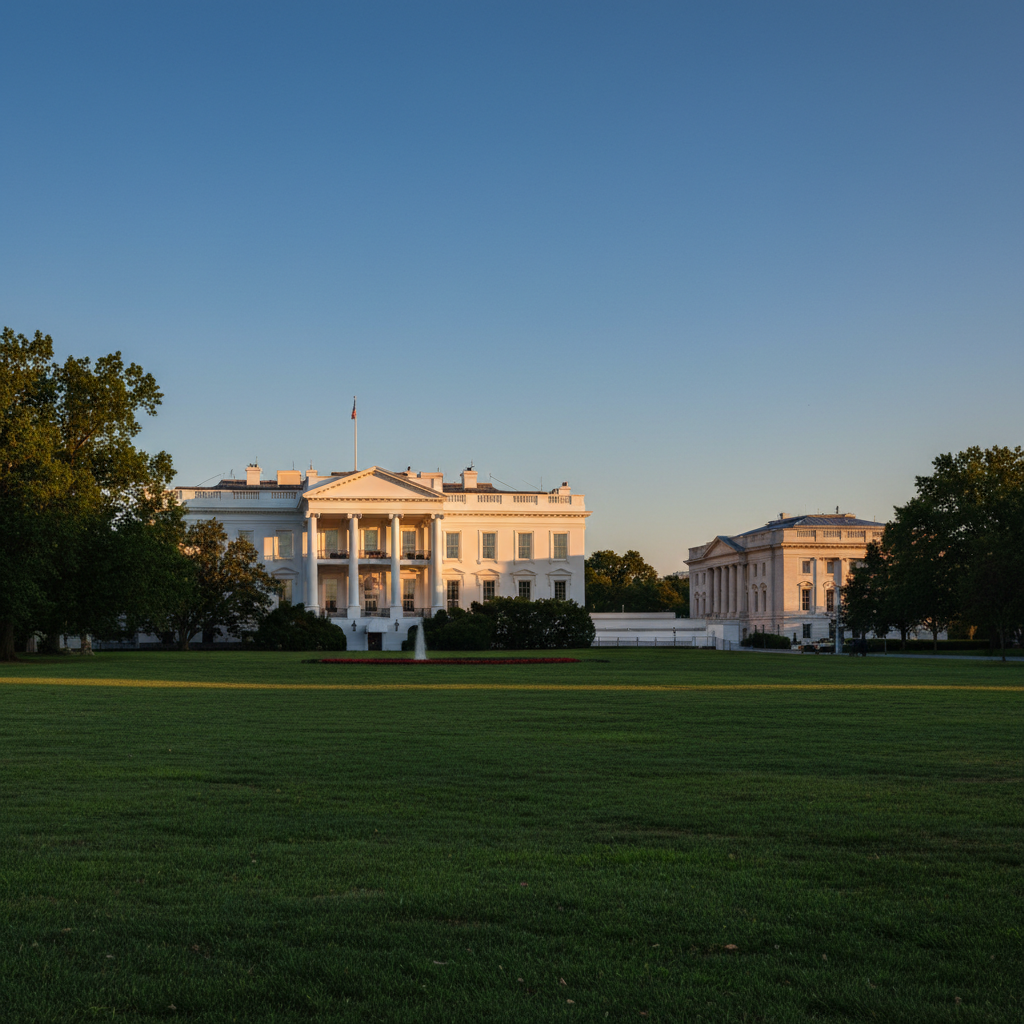
Maryland Governor Wes Moore has publicly stated that he was not invited to a White House dinner intended for governors, a claim that has drawn attention to the dynamics of federal-state relations. The incident, if accurate, marks an unusual departure from typical White House protocol for engaging with state leaders.
Governor Moore's Account
Governor Moore, the first Black governor of Maryland and a notable figure in the Democratic Party, reportedly made the assertion about the uninvitation to a gathering at the White House. While the federal administration regularly hosts state executives for policy discussions and social events, an explicit uninvitation is a rare occurrence that can carry political implications. These events typically serve as crucial opportunities for the President and his administration to foster direct dialogue and cooperation with governors on a wide range of national issues, from economic policy to public health initiatives.
The White House, situated in the nation's capital, is a focal point for federal governance. Its interactions with governors are often seen as barometers of the administration's approach to intergovernmental affairs and its relationships with states across the country. For a governor of a state as closely situated to Washington, D.C. as Maryland, consistent engagement with the federal government is often vital for advancing state-specific objectives that align with or require federal support and policy coordination.
White House Protocol and Diplomatic Norms
Invitations to White House events for governors are generally managed through established official channels. These are often coordinated with national organizations representing state executives, ensuring a structured and predictable process for federal-state engagement. The specific details surrounding Governor Moore's claim remain unelaborated in initial reports, leaving room for speculation regarding the precise reasons or circumstances behind the alleged uninvitation. Such events are typically designed to promote a sense of unity and shared purpose between federal and state leadership, making any deviation from standard practice noteworthy.
Explore more on this topic
Related Stories
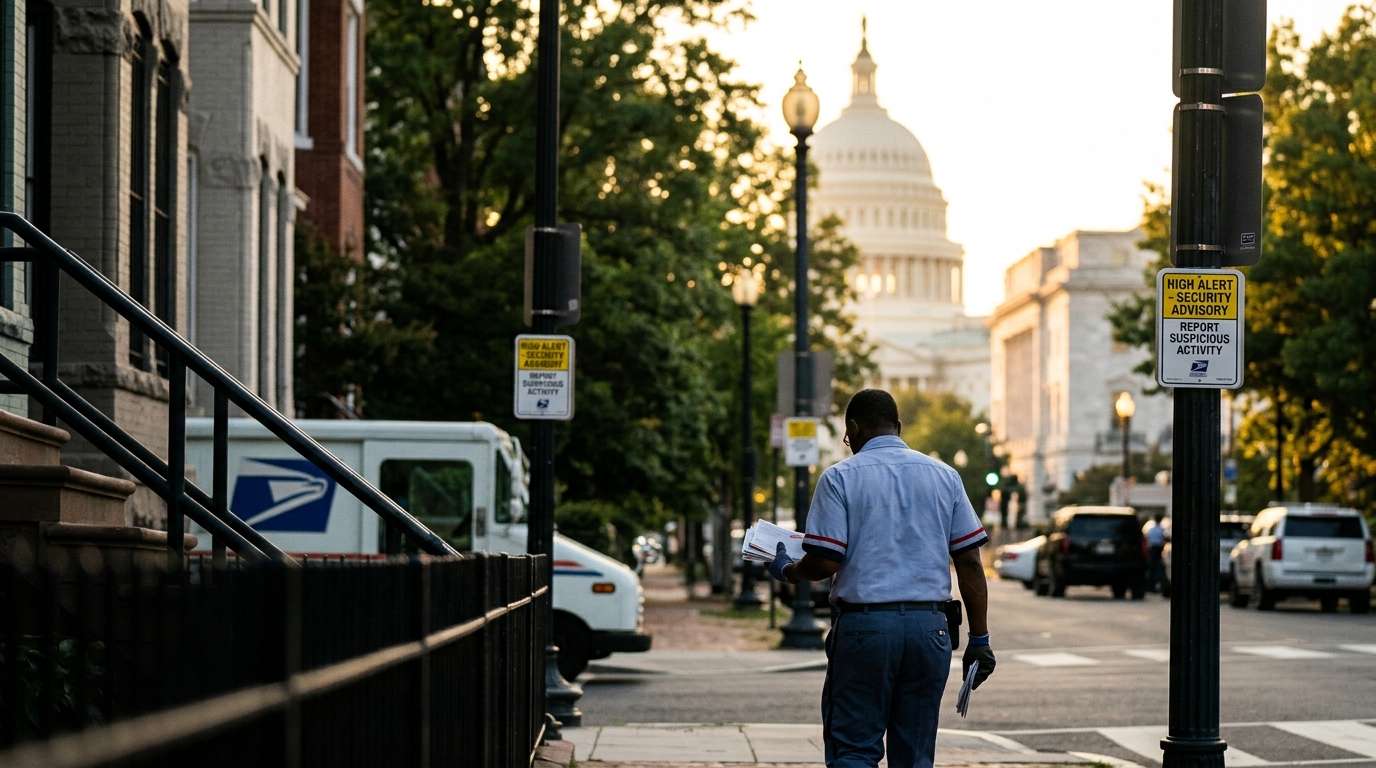
Federal Probe into Suspicious Letters Widens, Keeping the DMV on High Alert
A federal investigation into suspicious letters sent to elected officials is widening, raising security concerns across the DMV region due to its high concentration of federal workers and government operations.
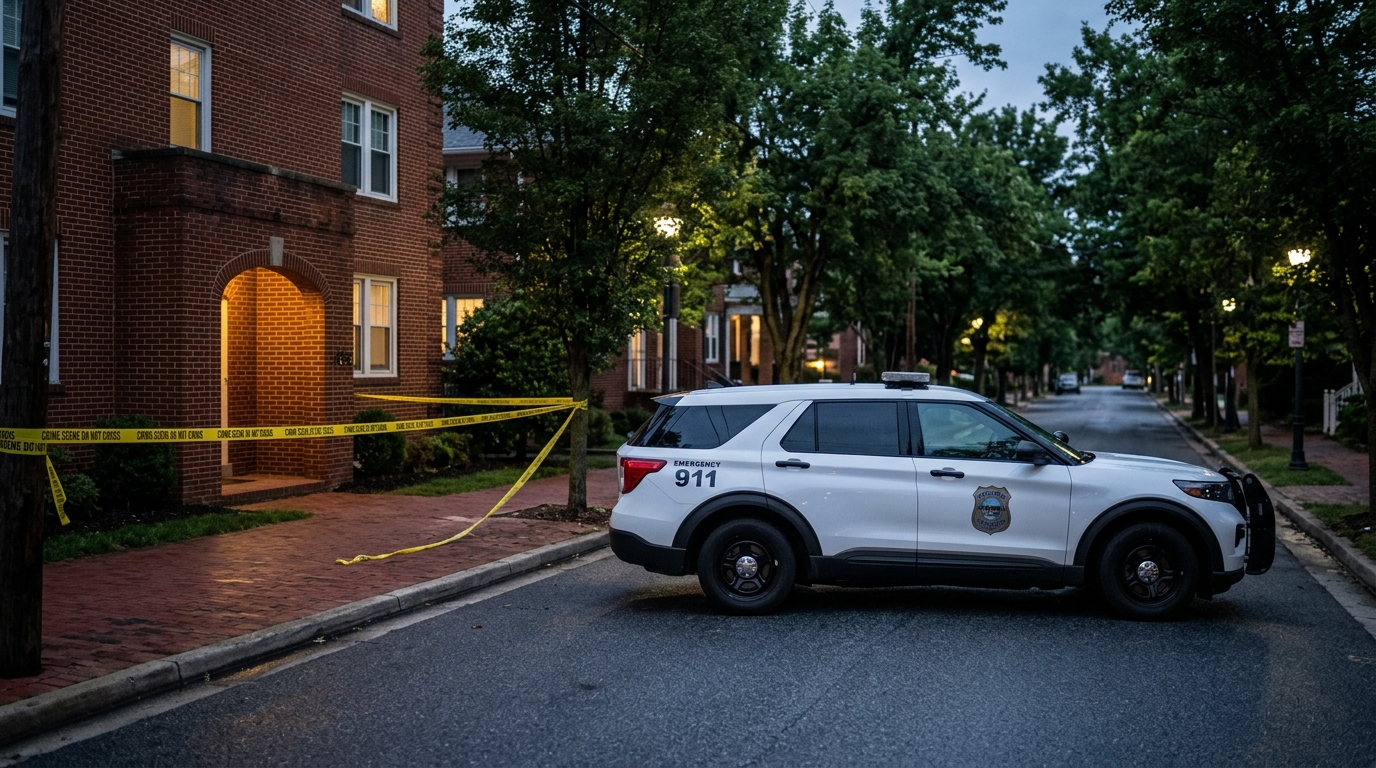
Annapolis Man Faces Federal Charges After Homemade Explosive Found in Apartment
An Annapolis man, Lee Christopher Ralston, is facing serious federal charges after a "pipe bomb" and bomb-making materials were allegedly discovered in his apartment during a police search. The incident highlights a joint investigation by Annapolis Police, Anne Arundel County Fire, and federal agents from the ATF and U.S. Attorney's Office, with Ralston potentially facing decades in prison.
Virginia Lawmakers, Rep. Spanberger Tackle Loss of Federal Healthcare Funds for Transgender Youth
Virginia lawmakers and U.S. Representative Abigail Spanberger are actively addressing the significant implications of lost federal healthcare funds for transgender youth across the Commonwealth. This development raises concerns for families and healthcare providers about access to vital gender-affirming care and mental health support.