Maryland Gov. Wes Moore Rejects Trump's Blame for Massive Sewage Spill
Share this article
Political Fallout Over Environmental Incident
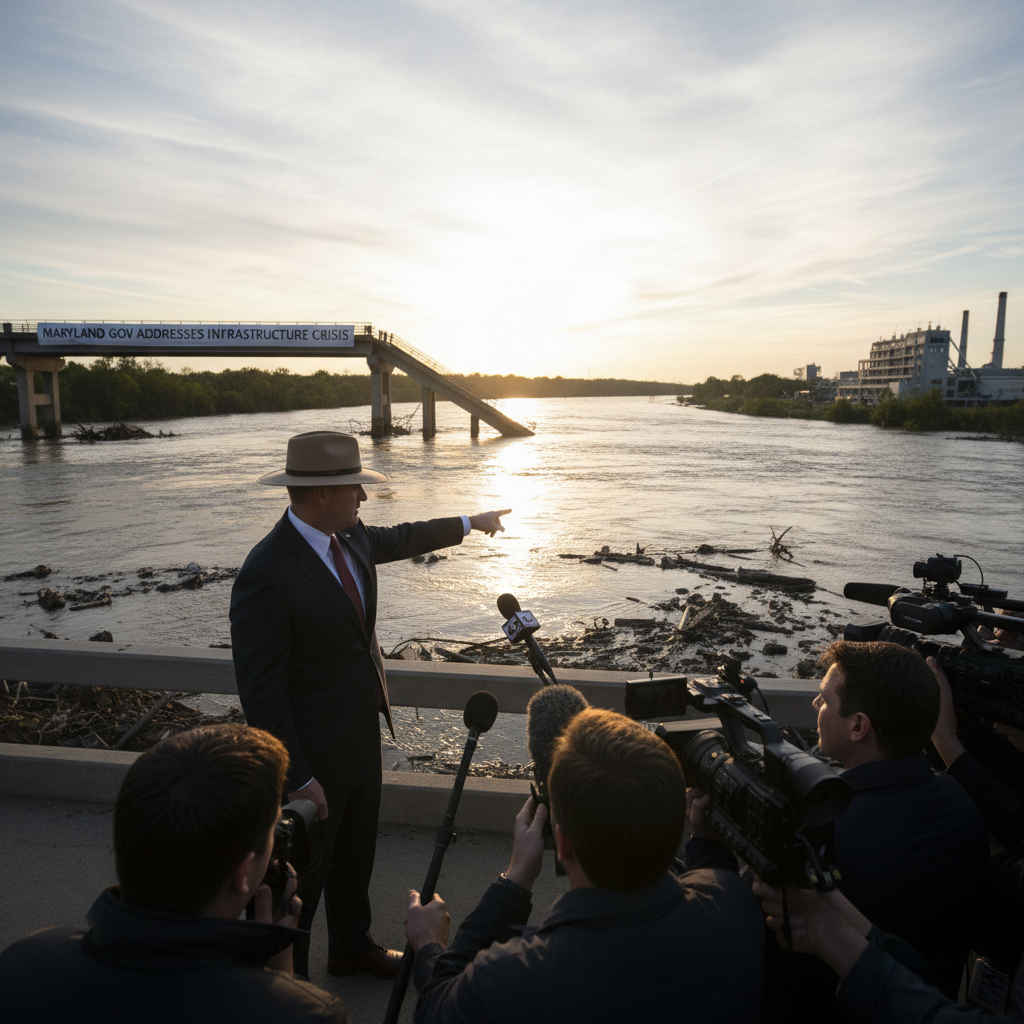
The accusation from former President Trump and Governor Moore's swift rejection of blame signal a broader political skirmish. Such environmental incidents often prompt public demand for accountability, leading political figures to either claim responsibility for resolution or deflect culpability. In this instance, Governor Moore's administration is contending with an environmental challenge that has drawn national political commentary.Governor Moore's Stance
While specific statements from Governor Moore detailing his rebuttal were not immediately available beyond the report of his "pushing back," the action itself implies a clear rejection of responsibility. Governors are ultimately accountable for the state's infrastructure and environmental health, but the immediate cause and contributing factors of a spill can be complex, involving aging infrastructure, extreme weather, or operational failures. Moore's administration would likely emphasize ongoing efforts to upgrade infrastructure and protect Maryland's environment, potentially redirecting focus to the need for sustained investment rather than individual blame. This political exchange also highlights the ongoing national conversation about infrastructure resilience. Many states, including Maryland, face challenges with aging water and sewer systems that are increasingly vulnerable to failures, especially with changing climate patterns. These incidents often become flashpoints for debates over funding, maintenance, and governmental oversight. The official website of the State of Maryland routinely provides updates on state initiatives, including those related to infrastructure and environmental protection.Broader Implications for Maryland Residents
For residents of Maryland, a "massive sewage spill" is not merely a political talking point; it represents a tangible threat to their quality of life. Such events can lead to beach closures, advisories against fishing or swimming, and potential contamination of drinking water sources. Addressing these issues requires significant resources, coordination between state and local governments, and transparent communication with the public. Understanding the causes and implementing preventative measures are paramount for protecting public health and the environment. The U.S. Environmental Protection Agency (EPA) provides federal guidance and oversight on wastewater management and pollution control. The ongoing political discourse surrounding this spill serves as a reminder of the intricate relationship between governance, infrastructure, and environmental stewardship. As the Moore administration navigates this challenge, its response will be closely watched by both political observers and the Maryland public concerned about the state's environmental future.📍 Local Resources
Responsible for protecting and restoring Maryland's air, water, and land resources, including responding to pollution incidents and providing environmental data.
Explore more on this topic
Related Stories
Councilmember Janeese Lewis George Urges Caution on Waymo Legislation, Citing DC's Jobs Crisis
Ward 4 Councilmember Janeese Lewis George has urged the DC Council to pump the brakes on Waymo legislation this year, warning that rushing autonomous vehicle laws could worsen the city's "jobs crisis" by displacing workers. She emphasizes the need to prioritize safety and worker support alongside technological advancement.
Ousted Board of Appeals Chair Sues Howard County Council, Office of Law
Howard County's ousted Board of Appeals chair has filed a lawsuit against the County Council and the Office of Law, initiating a significant legal challenge within the local government structure. This action highlights internal administrative disputes and brings the county's appointment and oversight processes into public scrutiny.