Half of Maryland Residents Face Food Insecurity, New Report Reveals
Share this article
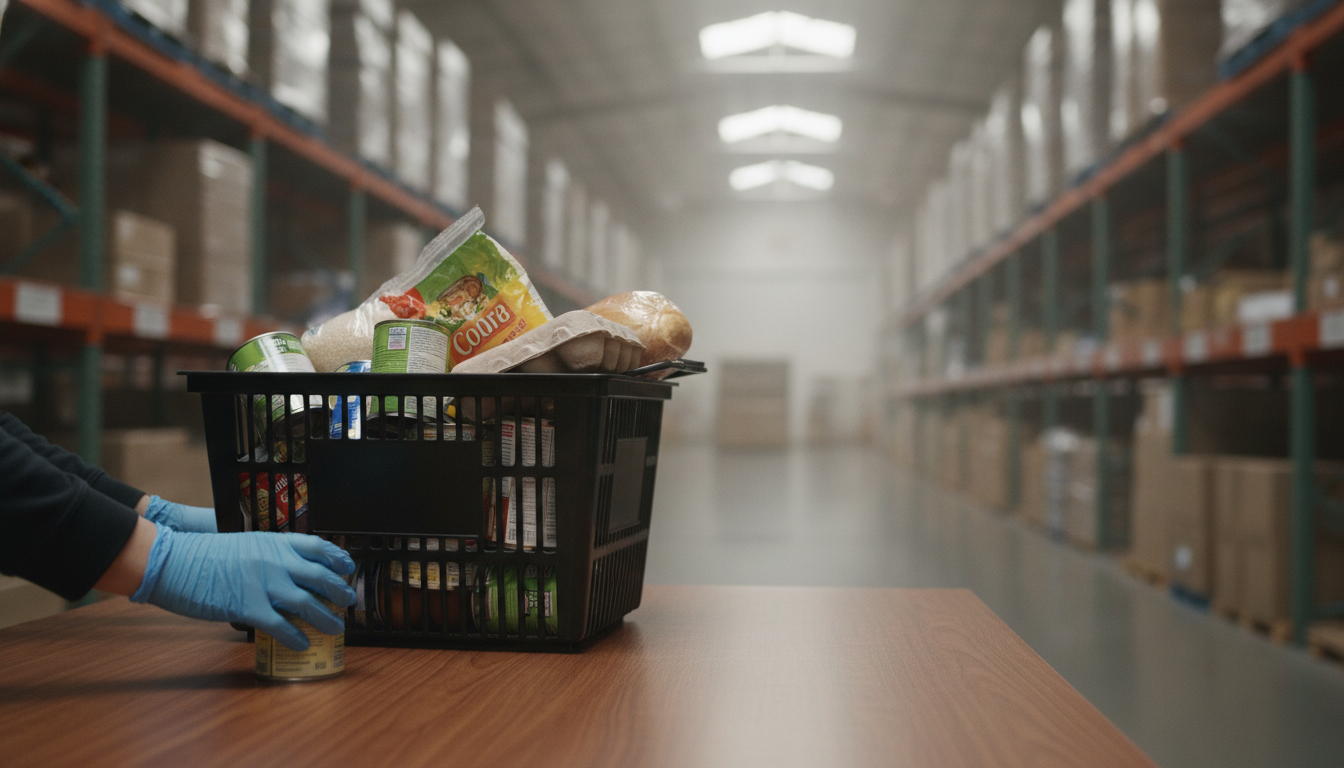
Understanding Food Insecurity in Maryland
When we talk about food insecurity, it’s crucial to understand it’s a spectrum. It can mean skipping meals, relying on less nutritious options because they’re cheaper, or simply not knowing where your next meal is coming from. This isn't a temporary inconvenience; it's a persistent stressor that impacts daily life. A recent report highlights this grim reality, indicating that 50% of Marylanders are food insecure.The Ripple Effect Across Communities
The widespread nature of food insecurity in Maryland means its effects are felt far and wide. Children who don't get enough to eat struggle to concentrate in school, impacting their academic performance and long-term opportunities. Adults facing food insecurity are more prone to chronic health conditions like diabetes and heart disease, increasing healthcare costs and reducing productivity. Seniors, often living on fixed incomes, are particularly vulnerable, sometimes having to choose between medication and meals. Local organizations and state programs have long worked to combat hunger, but a statistic this high suggests the problem is deepening, requiring even more robust and coordinated efforts. Resources like the Supplemental Nutrition Assistance Program (SNAP), administered by the Maryland Department of Human Services, are vital safety nets. However, awareness, accessibility, and eligibility requirements can sometimes create barriers for those most in need.Addressing the Challenge: What's Next for Marylanders?
With half the state facing food insecurity, the conversation needs to shift towards sustainable solutions. This includes advocating for policies that support living wages, expanding access to affordable housing, and strengthening community-based food programs. Local food banks and pantries, like the Maryland Food Bank, play a critical role, but they cannot solve a systemic issue of this magnitude alone. For residents, understanding this widespread challenge is the first step. It underscores the importance of supporting local food drives, volunteering at community kitchens, and advocating for state and federal programs that address the root causes of food insecurity. As Maryland continues to grow and evolve, ensuring every resident has reliable access to nutritious food must remain a top priority. What this means for DMV residents going forward is a continued need for vigilance, community support, and a collective push for equitable access to food resources across the state.📍 Local Resources
Provides food assistance benefits to eligible low-income individuals and families. Learn about eligibility and how to apply.
Distributes food to a network of food pantries, soup kitchens, and shelters across Maryland. You can find local food assistance near you.
Explore more on this topic
Related Stories

DMV Pastry Cook Lights Up National Stage on Food Network's Holiday Baking Championship
A talented pastry cook from the DMV is set to compete on Food Network's "Holiday Baking Championship," bringing local flavor to a national audience and highlighting our region's vibrant culinary scene.
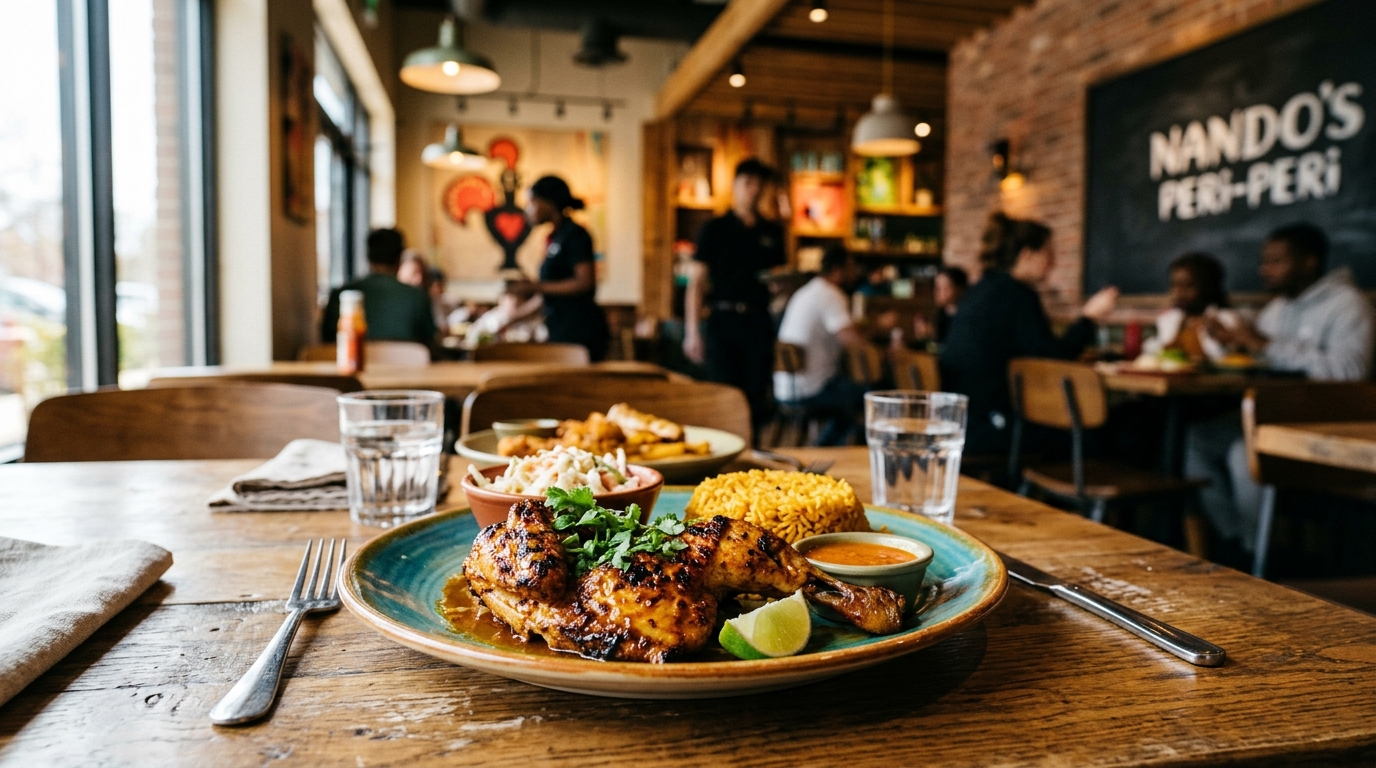
Nando's Peri-Peri Heats Up Fairfax Corner with New Location and Free Food Pop-Up
Nando's Peri-Peri Chicken is bringing its signature flame-grilled flavor to Fairfax Corner with its 12th Virginia location. Get ready for a free food pop-up this weekend before the official grand opening next week.
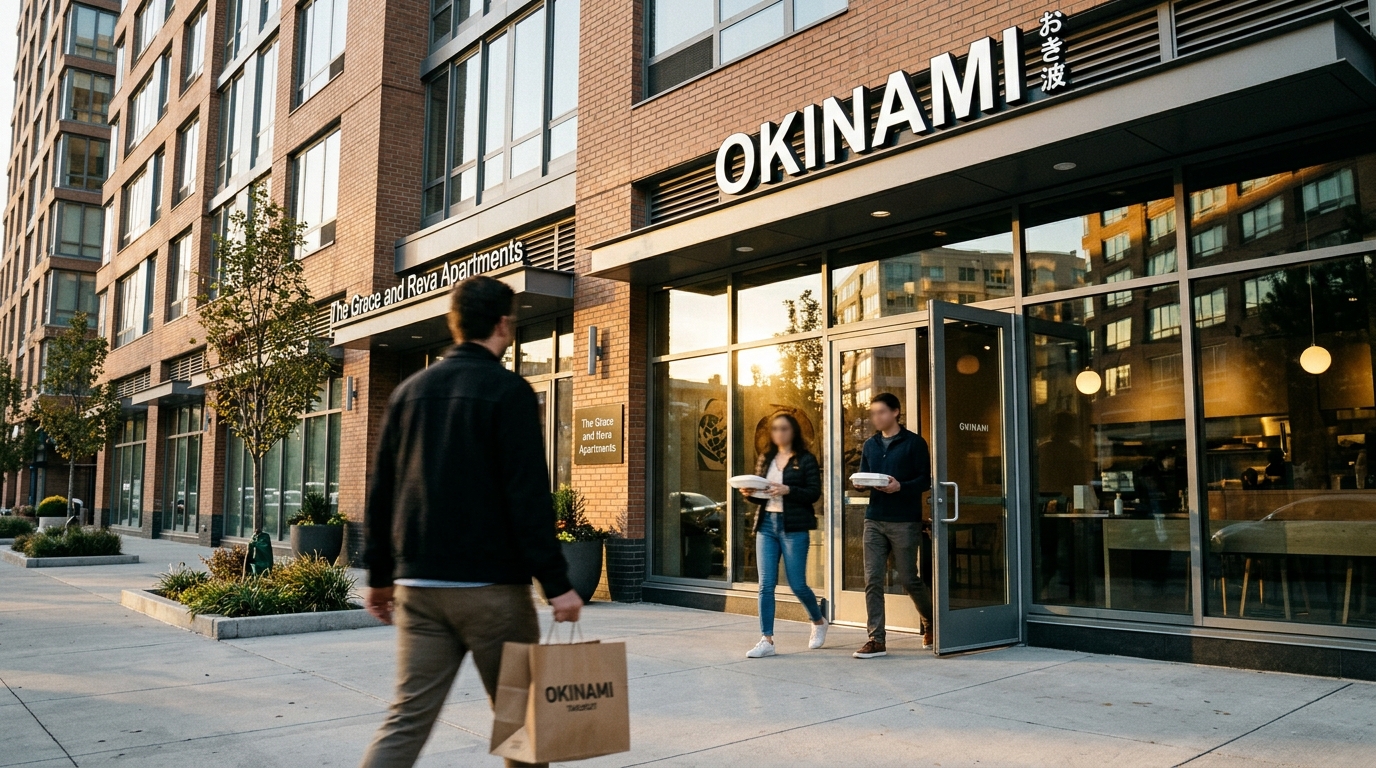
Okinami Brings Fresh Japanese Takeout to Crystal City's Grace and Reva Apartments
Okinami, a new Japanese takeout spot, has opened in Crystal City's Grace and Reva apartments, offering sushi, ramen, and poke to residents and workers.