Maryland Lawmakers Enact Emergency Bill to Combat Invasive Blue Catfish in Chesapeake Bay
Share this article
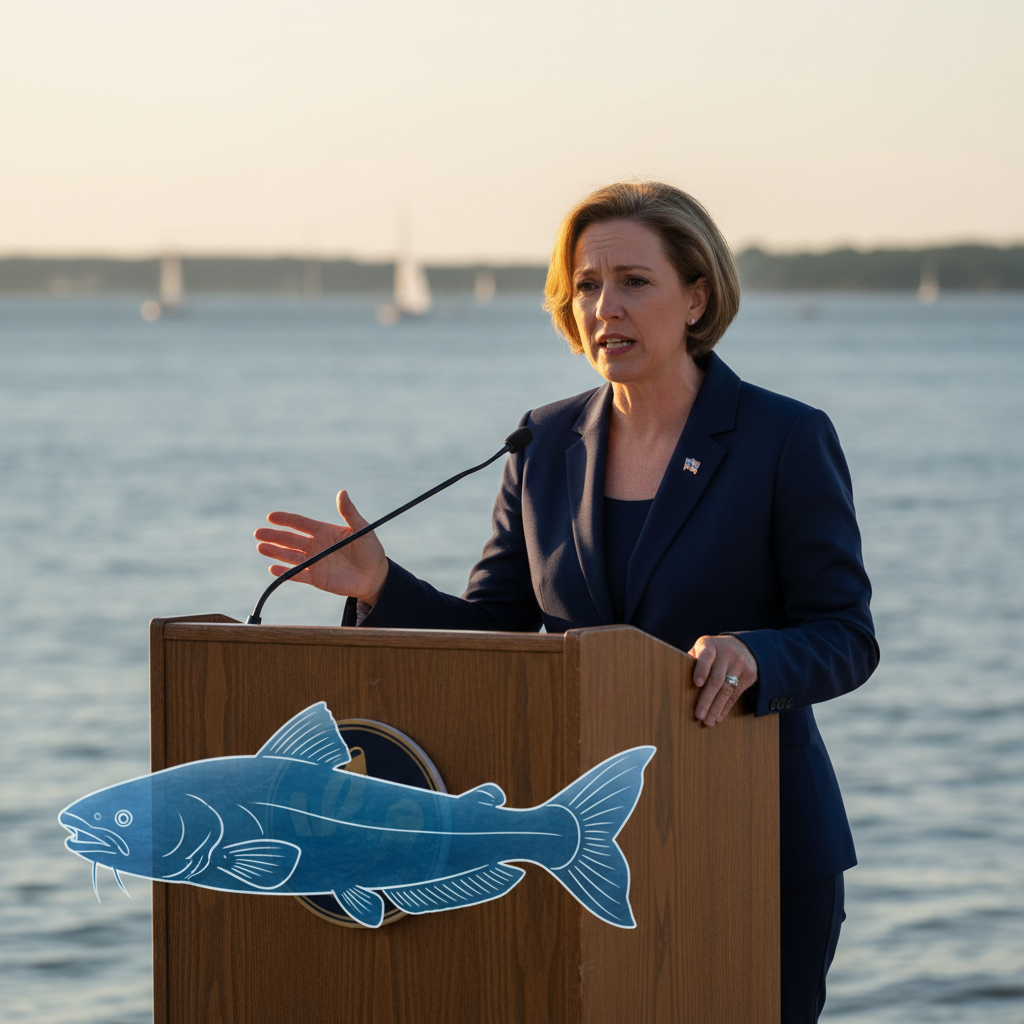
ANNAPOLIS, MD – Maryland lawmakers have taken decisive action to protect the Chesapeake Bay, passing an emergency bill aimed at curbing the rampant population of invasive blue catfish [1]. This legislative move underscores the growing urgency to safeguard the region's vital waterways and native aquatic life from a species that poses a significant ecological and economic threat.
The emergency legislation, passed by Maryland lawmakers, signals a heightened commitment to managing the aggressive blue catfish, a non-native species that has rapidly proliferated throughout the Bay and its tributaries [1]. Experts and officials have long warned about the species' detrimental impact, and this bill represents a critical step in a broader, regional effort to restore ecological balance.
The Growing Threat of Blue Catfish in the Chesapeake
Blue catfish (Ictalurus furcatus) are not indigenous to the Chesapeake Bay watershed. They were introduced to Virginia rivers in the 1970s and have since spread extensively, thriving in the Bay's brackish and freshwater environments. Known for their voracious appetites and rapid growth, these fish are apex predators that consume a wide range of native species, including commercially important fish like striped bass (rockfish), blue crabs, and American shad, as well as various shellfish and other benthic organisms.
The unchecked proliferation of blue catfish disrupts the delicate food web of the Bay, outcompeting native predators for food and preying on juveniles of vital species. This ecological imbalance has cascading effects, potentially impacting the biodiversity and overall health of the estuary. According to the Chesapeake Bay Program, blue catfish can grow to immense sizes, sometimes exceeding 100 pounds, making them difficult for native predators to control.
Maryland's Emergency Legislative Response
The passage of an emergency bill by Maryland lawmakers highlights the immediate and severe nature of the blue catfish problem [1]. Emergency legislation typically allows a bill to take effect immediately upon the Governor's signature, bypassing the standard waiting period. While specific details of the bill's provisions were not fully outlined in the initial reports, such measures often focus on enhancing management strategies, increasing funding for eradication efforts, and promoting commercial and recreational harvesting.
Previous efforts have included encouraging commercial watermen and recreational anglers to target blue catfish, often with incentives or through promotion of their culinary value. This emergency bill likely seeks to expand or accelerate these efforts, potentially through increased state funding for processing facilities, market development, or research into more effective population control methods. The Maryland Department of Natural Resources (DNR) has been actively involved in monitoring invasive species, and this legislation will undoubtedly empower their ongoing initiatives.
Broader Implications for the DMV and Chesapeake Bay
The Chesapeake Bay is a shared resource, and the blue catfish problem extends beyond Maryland's borders, impacting Virginia's waterways as well. Virginia has also implemented strategies to manage the invasive species, recognizing that a coordinated, regional approach is essential. The efforts by Maryland lawmakers complement the broader conservation goals for the entire Bay ecosystem, which is vital for the economy and environment of the entire DMV region.
For residents, the bill could mean a greater availability of locally sourced blue catfish in markets and restaurants, offering a sustainable food choice that directly contributes to environmental restoration. Promoting the consumption of blue catfish is often cited as a "eat 'em to beat 'em" strategy, turning an ecological problem into a culinary opportunity.
As the emergency bill takes effect, the focus will shift to its implementation and the measurable impact it has on blue catfish populations and the recovery of native species. This legislative action represents a significant moment in the ongoing battle to preserve the ecological integrity of the Chesapeake Bay, a treasure for all DMV residents.
📍 Local Resources
Provides information on fishing regulations, invasive species management, and opportunities for public involvement in conservation efforts across Maryland's waterways.
A leading conservation organization dedicated to restoring and protecting the Chesapeake Bay through advocacy, education, and restoration projects. Offers volunteer opportunities and educational resources.
Offers research-based information and educational programs to support coastal communities and the Chesapeake Bay ecosystem, including sustainable seafood and fisheries management.
Explore more on this topic
Related Stories

Montgomery County Police Chief Nominee Defends Against Fraud Claims
A nominee for Montgomery County Police Chief is actively defending against fraud claims, raising significant questions about the rigorous vetting process for top public safety roles in the DMV. This development puts a spotlight on public trust and accountability for leadership in Montgomery County.

Alsobrooks Renews Call for RFK Jr.'s Resignation Over Misinformation
Prince George's County Executive Angela Alsobrooks has renewed her call for Robert F. Kennedy Jr.'s resignation, citing his "dangerous and unacceptable" spread of misinformation on public health issues, including COVID-19. This push from the U.S. Senate candidate highlights the ongoing political and scientific debate impacting the DMV.

DMV Democrats Ride High on Sustained "Blue Wave" Sentiment
DMV Democrats are celebrating a sustained "blue wave" of electoral success, solidifying their power and pushing progressive agendas across the region. This isn't just about winning; it's about a deep-seated political identity and what it means for local governance and federal representation.