Politics
Montgomery County
Maryland's Economic Horizon: Charting the State's Fiscal Path Under Governor Moore to 2026
Share this article
Advertisement
What does Maryland's economic future look like under Governor Wes Moore's leadership? That's the big question state economists and policymakers are grappling with as they project the state's fiscal health from 2022 through 2026. This forward-looking analysis offers a crucial snapshot for residents and businesses across the Free State, including our own DMV communities, giving us a clearer picture of what's ahead in terms of jobs, state services, and overall prosperity. The state's financial experts are deep into evaluating a range of indicators, painting a detailed picture of the economic trajectory. It's not just about raw numbers; it's about understanding the forces shaping Maryland's ability to fund essential services, invest in infrastructure, and support a thriving job market.
Gauging Maryland's Fiscal Health
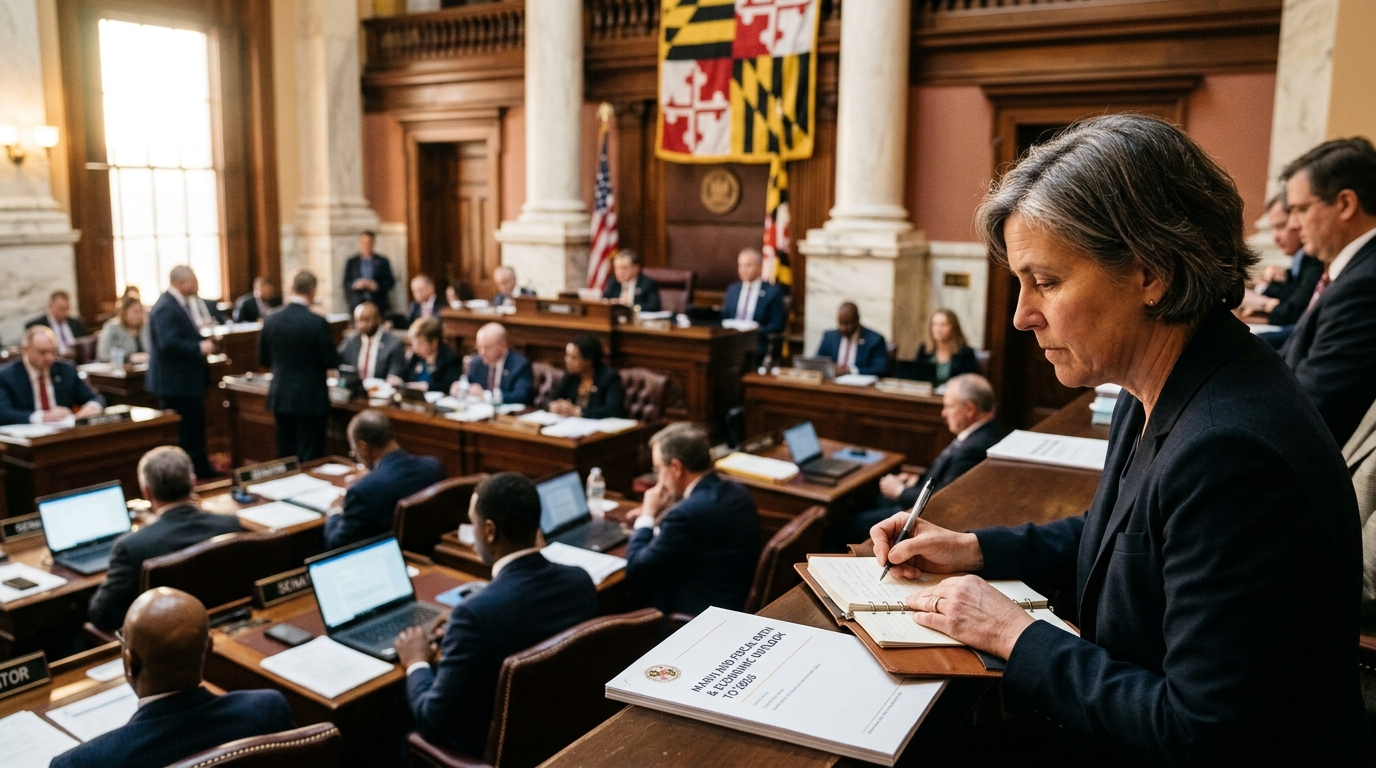
Maryland’s economic health is under continuous scrutiny, with a particular focus right now on the period stretching from 2022, roughly when Governor Moore took office, to the projected landscape of 2026. This comprehensive look is spearheaded by key state bodies, including the Maryland Board of Revenue Estimates and the Maryland Department of Legislative Services. These groups are tasked with providing non-partisan forecasts that inform the state's budget decisions and long-term planning. Their work involves sifting through mountains of data, from employment figures to consumer spending habits, to create a realistic outlook. The goal is to understand not just where the economy stands today, but where it's headed, identifying potential challenges and opportunities that could impact every Marylander.State economists are projecting Maryland's economic trajectory from 2022 through 2026, analyzing key indicators to inform future budget decisions and state services.
Key Indicators Under Scrutiny
When assessing the state's economic performance and future potential, several critical indicators come into play. Analysts are closely examining job growth rates, which directly reflect the vitality of Maryland's labor market and its ability to attract and retain talent. Equally important are tax revenues, which serve as the lifeblood of state government, funding everything from schools to public safety. The health of the state's reserves, particularly the Rainy Day Fund, is another crucial factor. A robust reserve ensures Maryland can weather unexpected economic downturns or emergencies without drastically cutting services. Beyond these, overall economic output, measured by Gross Domestic Product (GDP), gives a broad sense of the state's productivity and growth. These projections aren't made in a vacuum. They consider broader forces like national economic trends, inflation rates, and interest rate changes, all of which can significantly influence Maryland’s local economy. The administration's policies, from workforce development initiatives to infrastructure investments, also play a crucial role in shaping these forecasts.Governor Moore's Economic Agenda
Governor Wes Moore’s administration has laid out a clear vision for Maryland's economic future, centered on fostering inclusive growth, creating good-paying jobs, and ensuring fiscal responsibility. The economic outlook to 2026 is a direct reflection of how these policies are expected to manifest. The Office of Governor Wes Moore has emphasized strategic investments in key sectors like cybersecurity, biotechnology, and clean energy, aiming to position Maryland as a leader in the innovation economy. These efforts are designed to not only attract new businesses but also support existing ones, particularly small businesses that form the backbone of many local communities. The focus on workforce development programs is intended to equip Marylanders with the skills needed for these emerging industries, ensuring that economic growth benefits a wide swath of the population.What This Means for Maryland's DMV Communities
For residents in Montgomery County, Frederick County, and other DMV-adjacent areas of Maryland, these economic projections have tangible implications. A strong state economy generally translates to better-funded state services, from education and healthcare to transportation infrastructure that eases daily commutes. When tax revenues are healthy, the state has more flexibility to invest in projects that directly benefit local communities, such as improving roads, expanding public transit options, or upgrading schools. Conversely, a more challenging economic outlook could mean tighter budgets, potentially impacting local grants or the pace of state-funded projects. The job market in the DMV often mirrors broader state trends, with growth in key sectors creating opportunities for local residents. Understanding the state's fiscal health helps residents anticipate changes in their local economy and plan accordingly.Looking Ahead: Sustaining Maryland's Momentum
The comparison between Maryland's economic state in 2022 and its projected status in 2026 offers a vital benchmark for Governor Moore's administration and for all Marylanders. As the state navigates a dynamic national and global economic landscape, the ongoing monitoring and strategic adjustments based on these forecasts will be critical. Residents should keep an eye on updates from state economic agencies, as these reports will continue to shape the policy decisions that affect daily life and the long-term prosperity of our DMV region. The commitment to a stable and growing economy remains a cornerstone of the state's future.📍 Local Resources
Maryland Department of Labor
Provides employment services, workforce development programs, and unemployment insurance information for Maryland residents.
Advertisement