Maryland Moves to Ban Dynamic Pricing in Grocery Stores, Citing Consumer Protection
Share this article
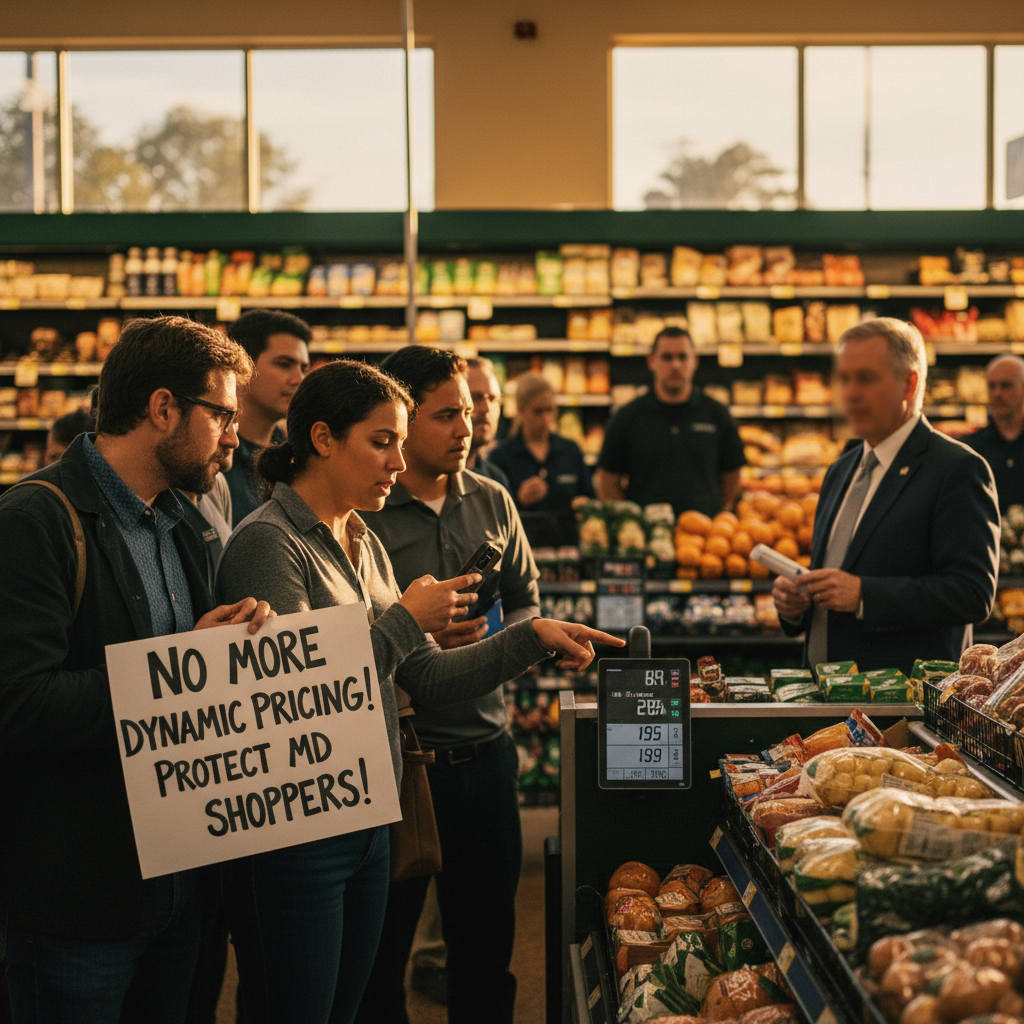
Understanding Dynamic Pricing in Retail
Dynamic pricing, also known as surge pricing or real-time pricing, involves adjusting the cost of goods based on various factors such as demand, time of day, inventory levels, and even individual customer data. While common in sectors like ride-sharing and air travel, its application in grocery stores, particularly through electronic shelf labels, raises significant concerns about fairness and predictability for everyday shoppers. Proponents of dynamic pricing argue it allows businesses to optimize revenue and manage inventory more efficiently, potentially reducing waste. However, critics, including Maryland lawmakers, contend that it can lead to unpredictable costs for consumers, making budgeting difficult and potentially disadvantaging vulnerable populations.The Legislative Push for Price Stability
The impetus for this new Maryland bill stems from a desire to safeguard consumers against potentially opaque pricing strategies. Lawmakers have expressed concerns that without clear regulations, shoppers could face constantly shifting prices for staple items, undermining trust and creating an uneven playing field. The legislation seeks to establish a consistent pricing standard within grocery establishments, ensuring that the price displayed on a shelf or advertisement is the price paid at checkout. This initiative aligns with broader efforts by state governments to adapt consumer protection laws to modern retail technologies. The Maryland General Assembly, which oversees state legislation, plays a critical role in evaluating and passing such measures. Information on legislative proceedings and bill status can be tracked via the Maryland General Assembly website. This legislative action underscores a commitment to protecting the economic interests of Maryland families and individuals who rely on stable grocery costs for their household budgets.Impact on Maryland Shoppers and Businesses
For Maryland residents, particularly those in densely populated areas like Montgomery County, Prince George's County, and Baltimore City, the ban on dynamic pricing in grocery stores is expected to bring greater price predictability. Shoppers will no longer face the prospect of prices changing between the time they select an item and when they reach the checkout, a scenario that can lead to frustration and unexpected expenses. This stability is particularly crucial for low-income households and seniors, for whom even small price increases can significantly impact their financial well-being. Grocery retailers operating within Maryland will need to adjust their pricing strategies to comply with the new regulations. While some stores may already adhere to fixed pricing models, those that have experimented with or planned to implement dynamic pricing systems will be required to maintain static prices for items throughout the shopping experience. This could involve standardizing electronic shelf labels to display a consistent price or reverting to traditional paper labels. The Maryland Attorney General's Consumer Protection Division is a key resource for both consumers and businesses regarding fair trade practices and compliance with state laws.Broader Context of Consumer Protection
Maryland's initiative is part of a larger national conversation about consumer rights in the digital age. As technology advances, legislative bodies are increasingly examining how new retail practices impact transparency and fairness. This bill positions Maryland as a leader in proactive consumer protection against potentially exploitative pricing models in an essential retail sector. The goal is to foster an environment where consumers can shop with confidence, knowing that prices are clear, consistent, and not subject to real-time algorithmic changes designed to maximize profit at their expense. This legislative trend highlights the importance of regulatory oversight in ensuring that technological innovations serve the public good without eroding fundamental consumer protections.📍 Local Resources for Consumer Protection
Investigates consumer complaints, mediates disputes, and enforces consumer protection laws in Maryland.
Provides food assistance (SNAP) to eligible low-income individuals and families, helping ensure access to groceries.
A federal agency protecting consumers in the financial marketplace, offering resources on budgeting and financial literacy relevant to managing household expenses.
Explore more on this topic
Related Stories
Councilmember Janeese Lewis George Urges Caution on Waymo Legislation, Citing DC's Jobs Crisis
Ward 4 Councilmember Janeese Lewis George has urged the DC Council to pump the brakes on Waymo legislation this year, warning that rushing autonomous vehicle laws could worsen the city's "jobs crisis" by displacing workers. She emphasizes the need to prioritize safety and worker support alongside technological advancement.
Ousted Board of Appeals Chair Sues Howard County Council, Office of Law
Howard County's ousted Board of Appeals chair has filed a lawsuit against the County Council and the Office of Law, initiating a significant legal challenge within the local government structure. This action highlights internal administrative disputes and brings the county's appointment and oversight processes into public scrutiny.