Maryland's Crossover Day 2026: Key Bills on Budget, Juvenile Justice, and Identity Navigate Annapolis Deadline
Share this article

Legislative Focus: Budget, Juvenile Justice, and Birth Certificates
Among the myriad of proposals, three areas emerged as central to the Crossover Day scramble: the state budget, juvenile justice initiatives, and policies related to birth certificate sex designations [1]. The state budget is always a paramount concern for legislators, as it dictates funding for virtually all state services, from education and healthcare to transportation and public safety. Crafting and approving the annual budget involves extensive negotiations and compromises between the House, Senate, and the Governor's office. Its passage is constitutionally required, making it a non-negotiable item for Crossover Day and the subsequent weeks. Bills addressing juvenile justice reflect ongoing efforts to reform Maryland's legal system for young people. These reforms often aim to balance accountability with rehabilitation, considering factors such as age, mental health, and the potential for diversion programs. The focus on juvenile justice underscores a statewide conversation about how best to support youth while ensuring community safety. Legislation concerning birth certificate sex designations touches upon evolving societal norms and individual rights. These bills often seek to clarify or modify the process by which individuals can amend their birth certificates to reflect their gender identity. Such measures are part of broader discussions about LGBTQ+ rights and administrative processes that affirm personal identity. The movement of these bills highlights the General Assembly's engagement with contemporary social issues.Understanding the Maryland Legislative Process
The Maryland General Assembly operates on a bicameral system, meaning it consists of two separate legislative bodies: the House of Delegates and the State Senate. Bills are introduced in either chamber and must pass through committees, floor debates, and votes in both the House and Senate before they can be sent to the Governor for signature or veto. Crossover Day acts as a procedural mechanism to manage the vast number of bills introduced each session. Without it, the final weeks of the session could become bogged down with bills that haven't received adequate review from both sides of the legislative aisle. For Maryland residents, understanding this legislative timeline is crucial for civic engagement. Knowing when bills are being considered in each chamber allows citizens to contact their state delegates and senators, testify at committee hearings, or follow the progress of legislation that impacts their daily lives. The legislative process in Maryland is designed to be accessible, with bill tracking systems available online for public use. The 2026 legislative session in Annapolis continues its work, with the post-Crossover Day period focusing on reconciling differences between House and Senate versions of bills, preparing for final votes, and ultimately determining which proposed laws will make it to the Governor's desk. The progress made on Crossover Day for the budget, juvenile justice, and birth certificate bills indicates their high priority for lawmakers this session.📍 Local Resources
Official portal for tracking legislation, finding your legislators, and accessing legislative calendars and committee information.
Provides historical and current information about the Maryland General Assembly, including legislative handbooks and directories.
A non-partisan organization providing voter education and advocating for informed and active participation in government, offering insights into legislative issues.
Explore more on this topic
Related Stories

Montgomery County Police Chief Nominee Defends Against Fraud Claims
A nominee for Montgomery County Police Chief is actively defending against fraud claims, raising significant questions about the rigorous vetting process for top public safety roles in the DMV. This development puts a spotlight on public trust and accountability for leadership in Montgomery County.
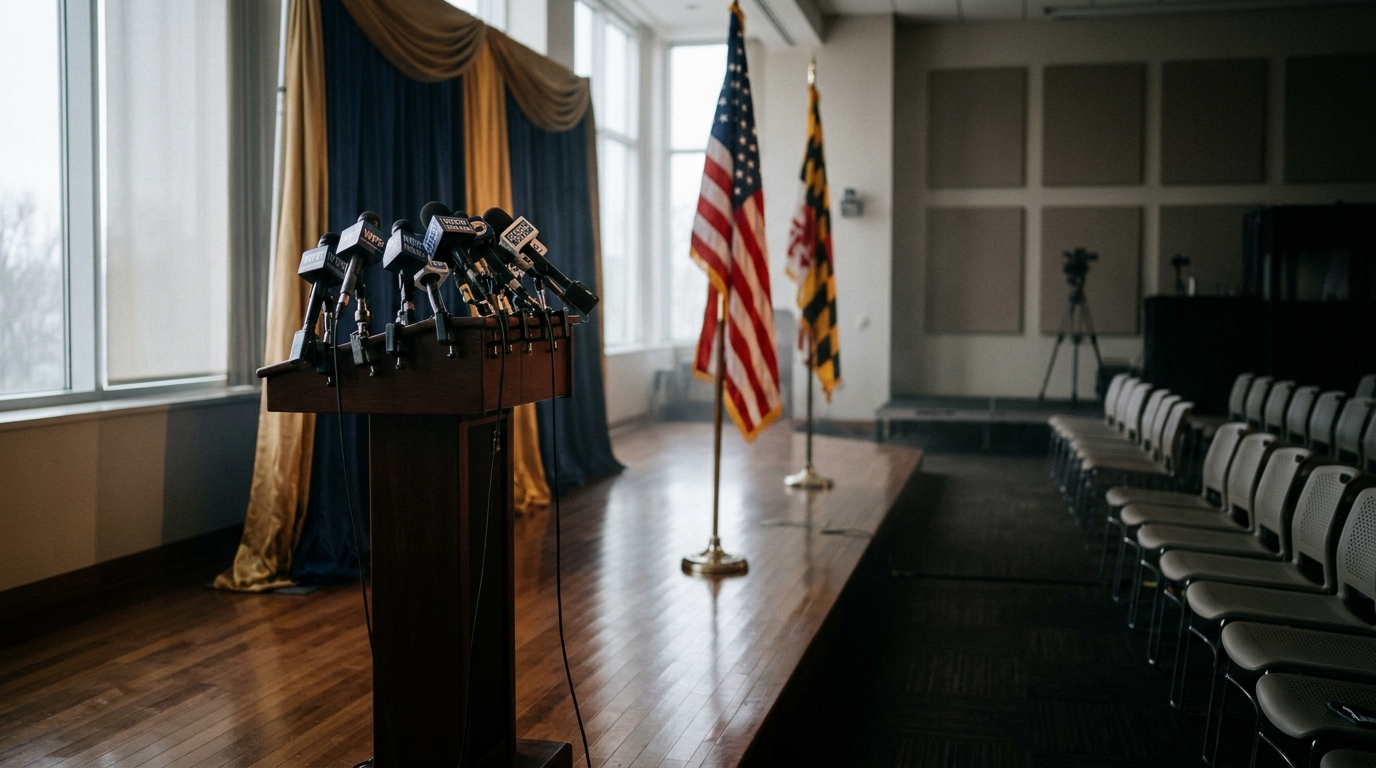
Alsobrooks Renews Call for RFK Jr.'s Resignation Over Misinformation
Prince George's County Executive Angela Alsobrooks has renewed her call for Robert F. Kennedy Jr.'s resignation, citing his "dangerous and unacceptable" spread of misinformation on public health issues, including COVID-19. This push from the U.S. Senate candidate highlights the ongoing political and scientific debate impacting the DMV.
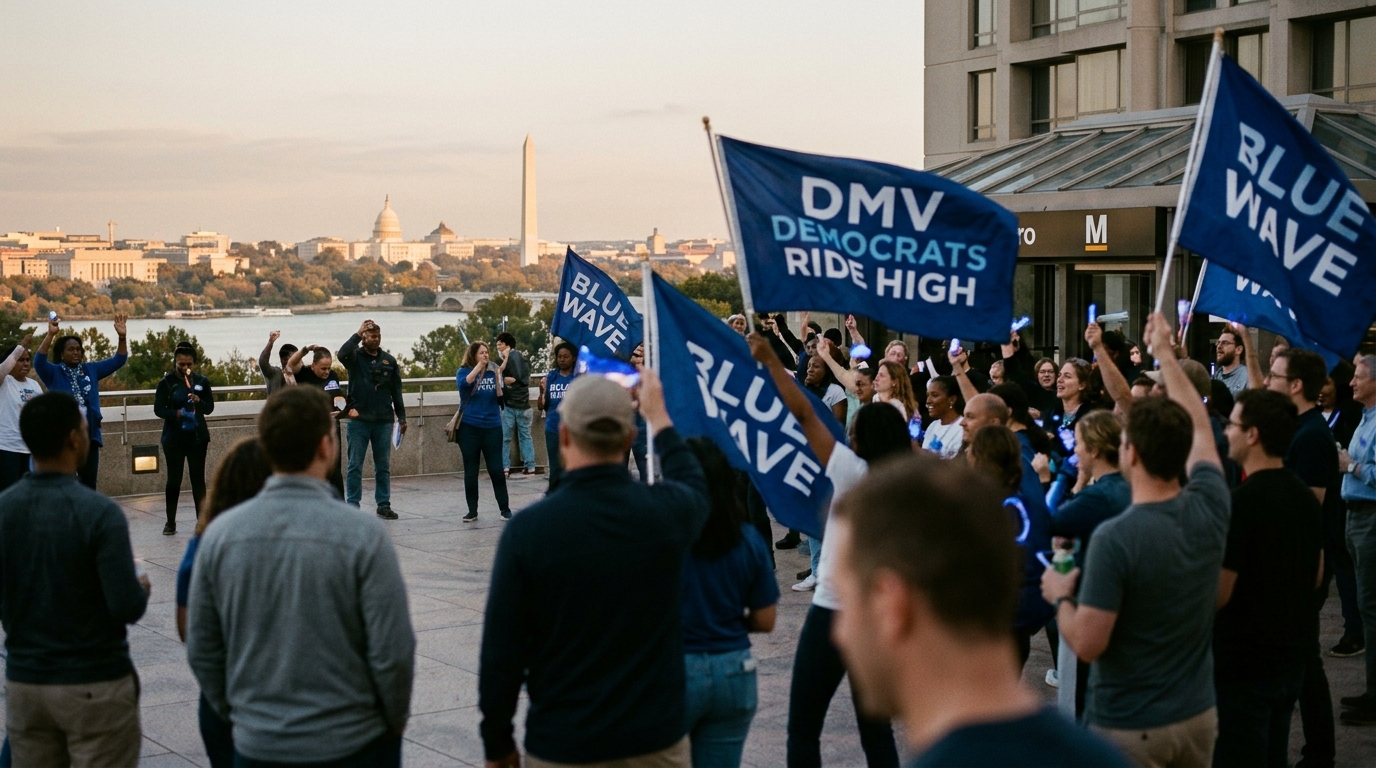
DMV Democrats Ride High on Sustained "Blue Wave" Sentiment
DMV Democrats are celebrating a sustained "blue wave" of electoral success, solidifying their power and pushing progressive agendas across the region. This isn't just about winning; it's about a deep-seated political identity and what it means for local governance and federal representation.