Maryland's Proposed Congressional Map: What's Next for State Voters?
Share this article

Understanding Maryland's Redistricting Process
So, how does a proposed redistricting plan actually become law in Maryland? It's a multi-step journey through the state's legislative halls. Typically, after a redistricting commission or legislative committee drafts a map, it heads to the Maryland General Assembly. Here, both the House of Delegates and the State Senate must approve the proposed district lines. This often involves committee hearings, public input sessions, and floor debates, where lawmakers can propose amendments and negotiate changes. Once both chambers agree on a final map, it moves to the Governor's desk for signature. The Governor can sign the bill into law, allow it to become law without a signature, or veto it. If vetoed, the General Assembly can attempt to override the veto with a three-fifths vote in both the House and Senate. This legislative back-and-forth ensures that multiple voices contribute to – or contend with – the final shape of the districts.The Stakes for Maryland Voters
For residents from Silver Spring to Salisbury, the outcome of this redistricting process is incredibly significant. These maps determine which neighborhoods are grouped together, influencing everything from local infrastructure projects to federal funding priorities. A district drawn one way might favor a particular political party, while a slight shift in lines could dramatically alter election results for the next decade. Advocacy groups often point out that poorly drawn maps can lead to gerrymandering, a practice where districts are intentionally drawn to give one party an unfair advantage. Maryland has faced accusations of gerrymandering in the past, leading to court challenges and calls for more independent redistricting processes. Understanding the proposed plan, even if the specific details are still being debated, is crucial for voters to ensure their communities are fairly represented. The Maryland State Board of Elections provides resources for residents to find their current districts and learn about upcoming election changes.Potential Roadblocks and Legal Challenges
Given Maryland's history, it's not uncommon for proposed redistricting maps to face legal challenges. Opponents might argue that a map is unconstitutional, discriminatory, or unfairly drawn to benefit one party over another. These challenges can lead to lengthy court battles, sometimes delaying the finalization of maps until close to an election cycle. The state's highest court, the Maryland Court of Appeals, or even federal courts, could become involved in reviewing the legality and fairness of the new districts. Organizations like the Common Cause Maryland often play a role in monitoring these processes and advocating for fair maps. The current proposed plan will likely undergo intense scrutiny from legal experts and watchdog groups, looking for any signs of partisan bias or violations of voting rights. Marylanders interested in the legislative process can track bills and legislative updates through the Maryland General Assembly website. The journey for Maryland's proposed congressional redistricting plan is far from over. As lawmakers deliberate and potentially amend the map, residents across the state should stay informed about how these changes could shape their representation and influence elections for years to come. Keep an eye on legislative updates and public hearings as this critical process unfolds.📍 Local Resources for Maryland Voters
Official source for voter registration, election information, and finding your elected officials and districts.
Track legislation, find your legislators, and learn about the legislative process, including redistricting bills.
Non-partisan organization advocating for informed and active participation in government, including fair redistricting.
Explore more on this topic
Related Stories
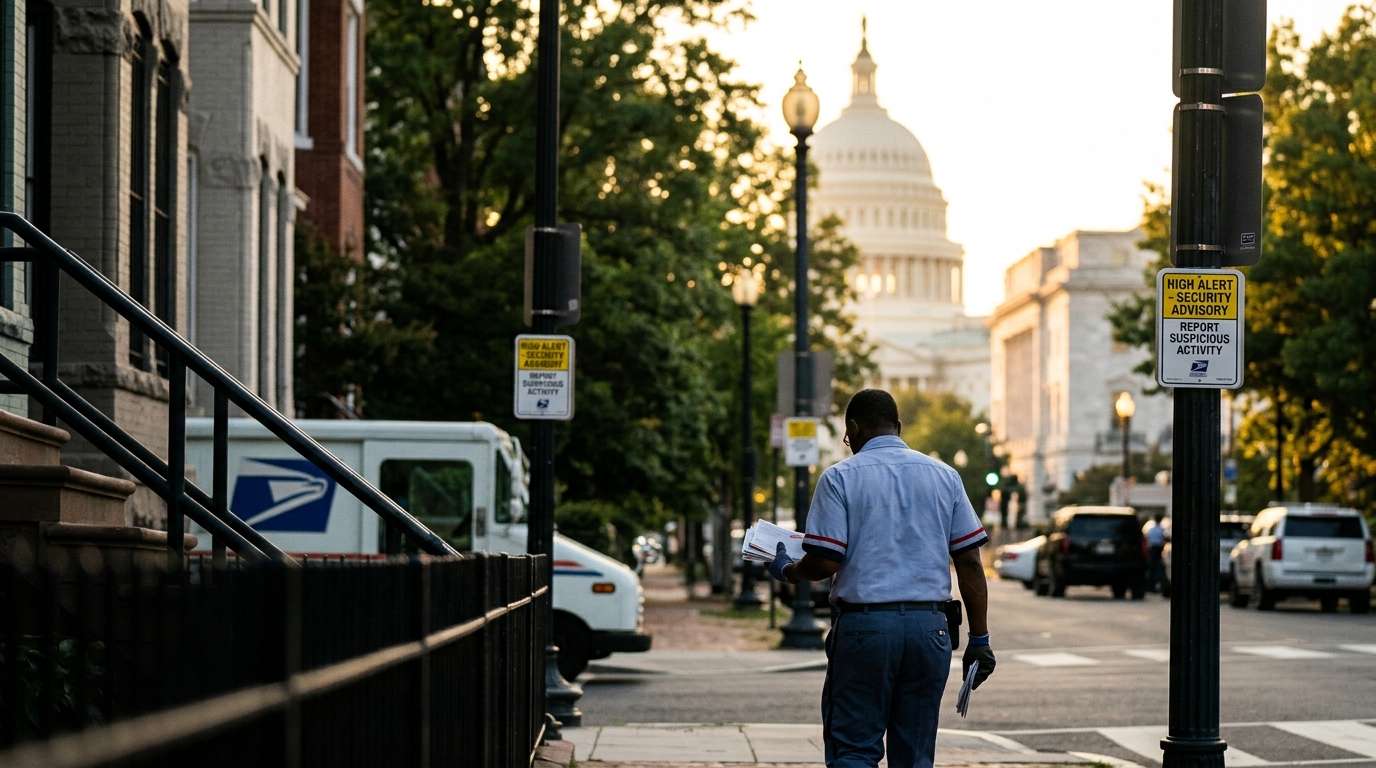
Federal Probe into Suspicious Letters Widens, Keeping the DMV on High Alert
A federal investigation into suspicious letters sent to elected officials is widening, raising security concerns across the DMV region due to its high concentration of federal workers and government operations.
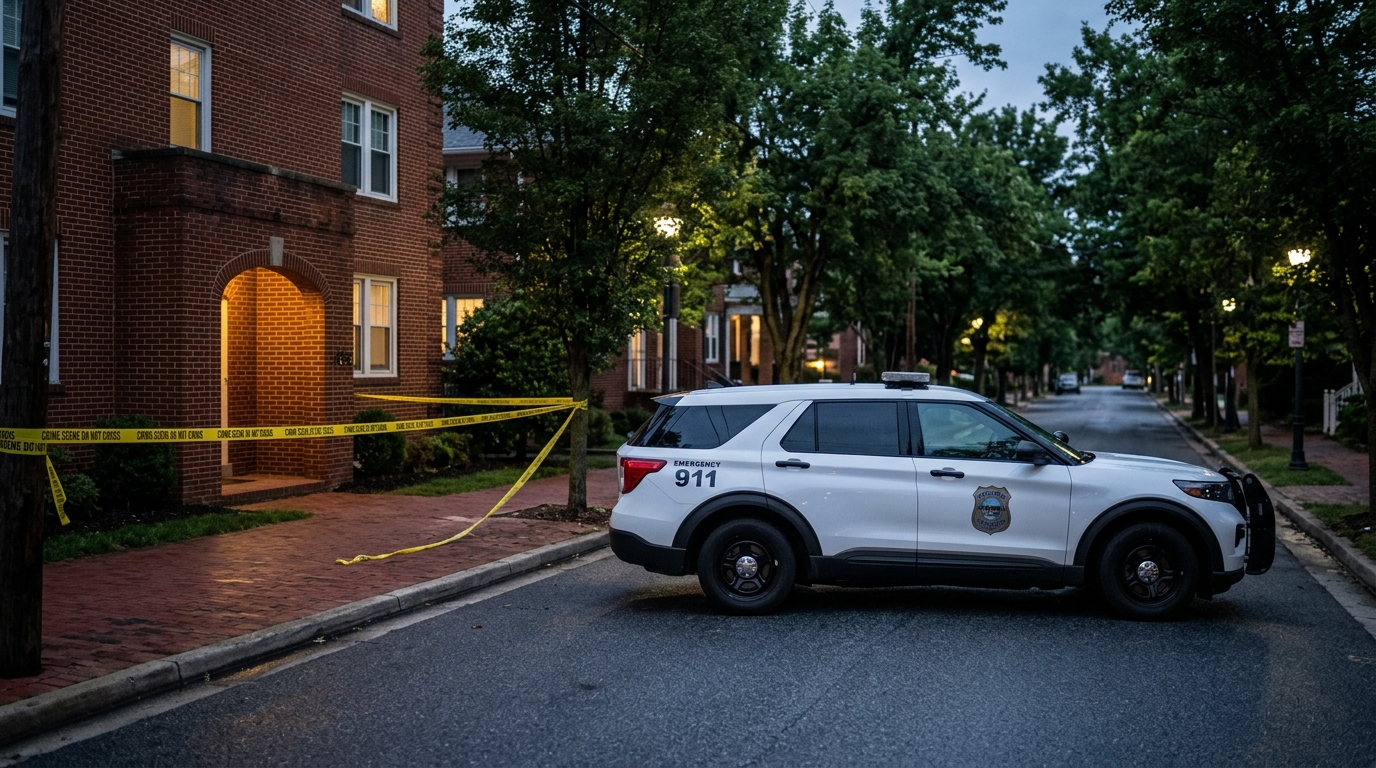
Annapolis Man Faces Federal Charges After Homemade Explosive Found in Apartment
An Annapolis man, Lee Christopher Ralston, is facing serious federal charges after a "pipe bomb" and bomb-making materials were allegedly discovered in his apartment during a police search. The incident highlights a joint investigation by Annapolis Police, Anne Arundel County Fire, and federal agents from the ATF and U.S. Attorney's Office, with Ralston potentially facing decades in prison.

Virginia Lawmakers, Rep. Spanberger Tackle Loss of Federal Healthcare Funds for Transgender Youth
Virginia lawmakers and U.S. Representative Abigail Spanberger are actively addressing the significant implications of lost federal healthcare funds for transgender youth across the Commonwealth. This development raises concerns for families and healthcare providers about access to vital gender-affirming care and mental health support.