Maryland's Community Trust Act: Annapolis Bill on ICE Cooperation Nears Passage
Share this article
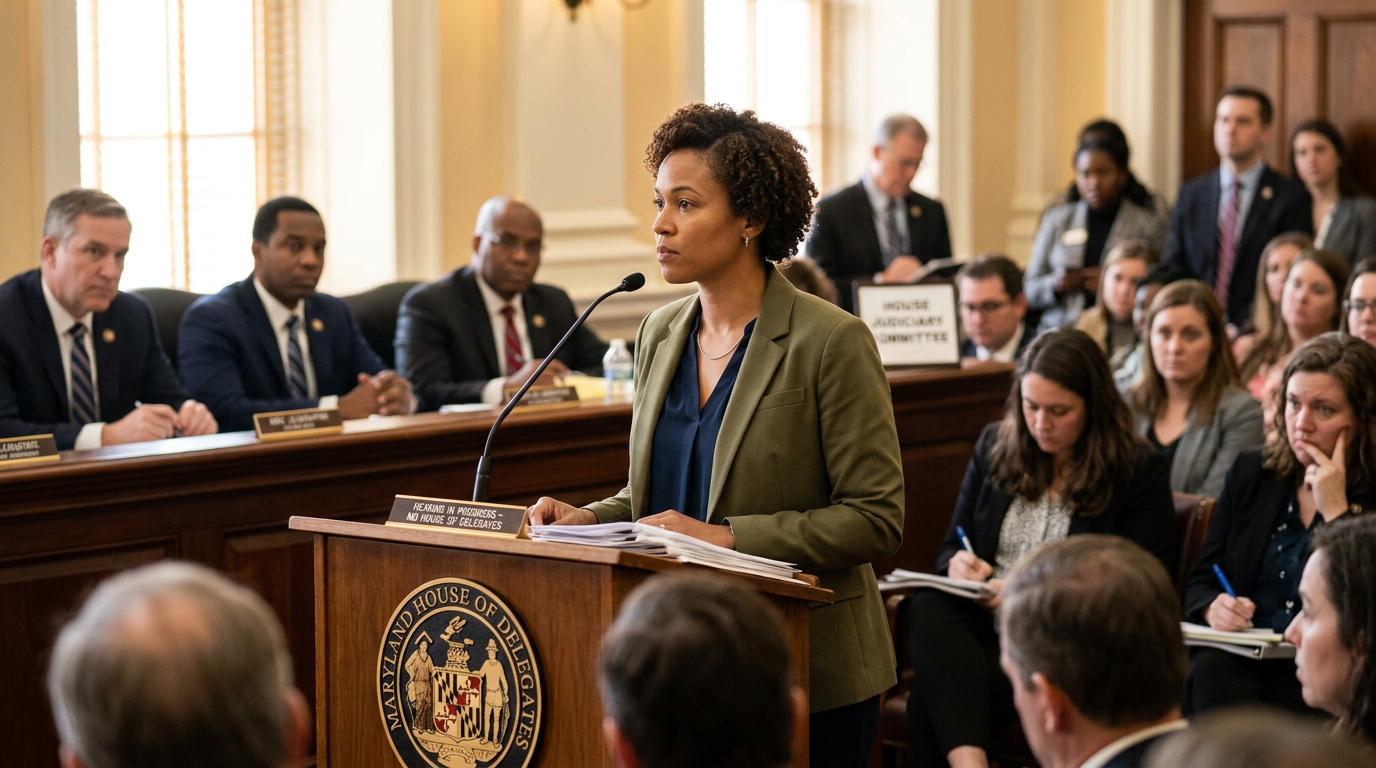
A contentious piece of legislation, known as the Community Trust Act, is rapidly moving through the Maryland Senate in Annapolis, signaling a significant shift in how local law enforcement agencies may interact with U.S. Immigration and Customs Enforcement (ICE) [1]. The bill, which was once considered unlikely to pass, has gained new momentum, pushing it onto a fast track for approval.
The Community Trust Act is designed to address the intricate balance between federal immigration enforcement and the duties of local police departments. While the specific provisions of the current bill are not detailed in initial reports, legislation of this nature typically seeks to limit or establish clear guidelines for cooperation between local law enforcement and federal immigration authorities. Proponents often argue that such measures are crucial for building trust within immigrant communities, encouraging residents to report crimes without fear of immigration-related repercussions, thereby enhancing overall public safety. Conversely, opponents frequently express concerns that such bills could impede federal immigration efforts or create "sanctuary" policies that they believe could compromise safety.
Understanding the Bill's Path in Annapolis
The journey of the Community Trust Act through the Maryland General Assembly has been marked by fluctuating support. Its resurgence indicates a renewed legislative push to define the scope of state and local involvement in federal immigration matters. The bill's progression through the Senate suggests it has garnered sufficient backing to move forward, bringing it closer to a potential vote on the chamber floor. For Maryland residents, particularly those in Montgomery and Prince George's counties within the DMV region, the outcome of this vote could have tangible impacts on community policing and immigration policies.
Maryland's legislative process typically involves a bill passing through committees, undergoing amendments, and then receiving votes in both the House of Delegates and the Senate before being sent to the Governor for signature or veto. The "fast track" status implies that the bill is being prioritized, potentially bypassing some typical procedural delays due to urgent support or strategic maneuvering by its sponsors. For details on legislative tracking, residents can monitor the Maryland General Assembly website.
Potential Impacts for DMV Residents
Should the Community Trust Act become law, its effects could ripple across Maryland, influencing how local police interact with diverse communities. For instance, in jurisdictions like Montgomery County, which has a significant immigrant population, the bill could formalize policies that prioritize community trust over assisting with non-criminal immigration enforcement. This could lead to clearer guidelines for local officers regarding when and how they can share information with ICE, or when they can detain individuals solely based on immigration status.
Advocacy groups like the ACLU of Maryland often champion legislation that aims to protect civil liberties and ensure fair treatment for all residents, regardless of immigration status. Their perspectives, and those of other community organizations, often shape the debate around such bills. Conversely, some law enforcement officials and federal agencies may express concerns about potential limitations on their ability to carry out their duties. The Governor of Maryland will ultimately play a critical role in determining the bill's fate if it passes both legislative chambers, as outlined on the official state government website.
The rapid advancement of the Community Trust Act underscores the ongoing statewide conversation about immigration policy and the role of local governments in an increasingly diverse state. As the bill progresses, residents are encouraged to stay informed about its provisions and how they might affect their communities.
📍 Local Resources: Support for Immigrant Communities in Maryland
A leading organization providing legal services, workforce development, and advocacy for immigrant communities across Maryland.
Offers comprehensive immigration legal services, including family reunification, asylum, and naturalization assistance, serving residents in Montgomery and Prince George's counties.
Provides services and resources to refugees and asylees to help them achieve self-sufficiency and integration into Maryland communities.
Explore more on this topic
Related Stories

Councilmember Janeese Lewis George Urges Caution on Waymo Legislation, Citing DC's Jobs Crisis
Ward 4 Councilmember Janeese Lewis George has urged the DC Council to pump the brakes on Waymo legislation this year, warning that rushing autonomous vehicle laws could worsen the city's "jobs crisis" by displacing workers. She emphasizes the need to prioritize safety and worker support alongside technological advancement.

Ousted Board of Appeals Chair Sues Howard County Council, Office of Law
Howard County's ousted Board of Appeals chair has filed a lawsuit against the County Council and the Office of Law, initiating a significant legal challenge within the local government structure. This action highlights internal administrative disputes and brings the county's appointment and oversight processes into public scrutiny.