Maryland Circuit Court Reverses Dismissal, Clarifying Timelines for Challenging State Insurance Decisions
Share this article
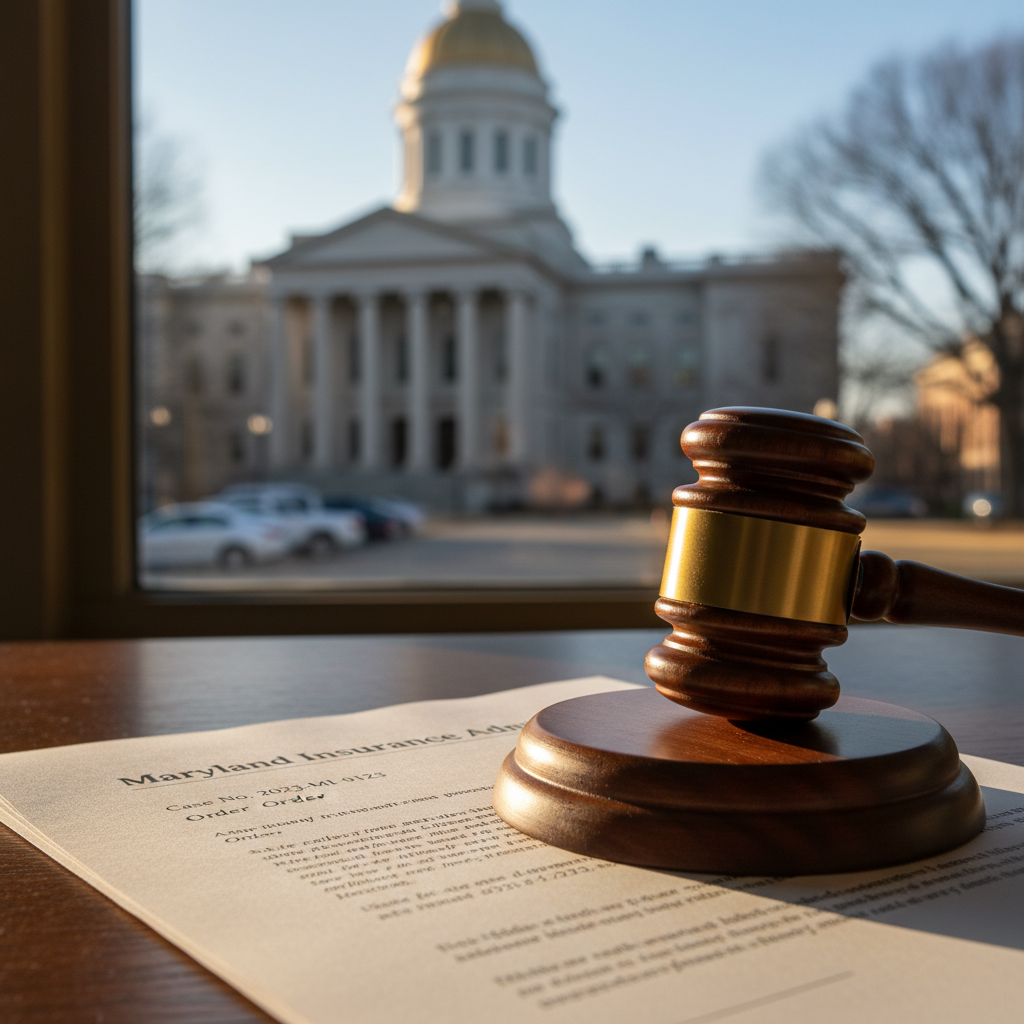
ANNAPOLIS, MD – A recent decision by a Maryland circuit court has underscored critical procedural timelines for individuals seeking judicial review of administrative actions by state agencies, specifically the Maryland Insurance Administration. The ruling found that a lower court erred in dismissing a petition for judicial review as untimely, affirming the 30-day window for such filings [1].
The case, "In the Matter of Carol Mosca v. Maryland Insurance Administration," centered on the timeliness of a petition filed by Carol Mosca. According to The Daily Record, Mosca's petition for judicial review was filed within thirty days of the Maryland Insurance Administration's order, dated December 12, 2022, which had denied her request for a hearing [1]. Despite this, the circuit court initially dismissed her petition, deeming it untimely. This dismissal has now been overturned.
Navigating Administrative Decisions in Maryland
The Maryland Insurance Administration (MIA) serves as the primary regulatory body for the state's insurance industry. It oversees insurance companies, agents, and brokers, and is responsible for protecting consumers by ensuring compliance with state insurance laws. This includes handling consumer complaints, reviewing insurance products, and conducting market examinations. When the MIA issues an order, such as denying a request for a hearing, individuals have specific avenues to challenge that decision.
Administrative law provides a framework for how state agencies, like the MIA, make and enforce decisions. When a consumer or entity disagrees with an agency's final order, they typically have the right to seek judicial review in the state's circuit courts. This process allows the judiciary to examine whether the agency acted within its legal authority, followed proper procedures, and made decisions supported by substantial evidence. The timeliness of filing such a petition is a fundamental procedural requirement that ensures fairness and due process.
The Importance of Timeliness in Judicial Review
The core of the Mosca case revolved around the interpretation of the deadline for filing a petition for judicial review. State law typically stipulates a specific period, often 30 days, within which an aggrieved party must file their appeal after an administrative body issues a final decision. Missing this deadline can lead to the permanent forfeiture of the right to challenge the decision, regardless of the merits of the underlying case.
In this instance, the circuit court's reversal highlights a precise interpretation of when the 30-day clock begins ticking. By affirming that Mosca's petition was indeed timely because it was filed within 30 days of the December 12, 2022, order [1], the ruling reinforces the importance of this specific starting point. This clarity is crucial for Maryland residents and businesses who may find themselves needing to challenge a decision made by a state agency.
Implications for Maryland Policyholders and Businesses
This judicial clarification carries significant weight for anyone dealing with the Maryland Insurance Administration or other state regulatory bodies. For policyholders, it means a clearer understanding of their rights and the procedural steps required to appeal an unfavorable insurance decision. If an insurance claim is denied, or a request for a hearing is turned down by the MIA, knowing the exact window for seeking judicial review is paramount to protecting their interests.
Similarly, insurance businesses and professionals operating in Maryland must also be aware of these procedural nuances. Clear deadlines for judicial review provide certainty for all parties involved and help ensure the administrative process is fair and transparent. The Maryland Judiciary provides resources on administrative appeals, emphasizing the importance of understanding the rules and timelines.
The Maryland Insurance Administration itself offers various services and resources for consumers, including a dedicated consumer complaint portal. However, when administrative remedies are exhausted, judicial review becomes the next critical step. This recent ruling serves as a vital reminder to pay close attention to the dates of official orders issued by state agencies to ensure any subsequent legal challenges are filed within the prescribed timeframe.
The ultimate outcome of Carol Mosca's underlying case against the Maryland Insurance Administration remains to be determined following this procedural victory. However, the ruling itself provides an important precedent for administrative law, reinforcing the safeguards for due process within Maryland's legal system.
📍 Local Resources
Assists Maryland residents with insurance-related questions, complaints, and provides information on consumer rights.
Provides free civil legal services to low-income individuals in Maryland, including assistance with administrative law matters and consumer issues.
Offers legal information, forms, and assistance for those representing themselves in court, including guidance on judicial review processes.