Community
Maryland Confirms Two New Measles Cases in Baltimore Area, Prompting Public Health Alert
Share this article
Advertisement
A public health alert has been issued for the Baltimore area after the Maryland Department of Health confirmed two new cases of measles, bringing a renewed focus on community health and vaccination efforts across the region [1]. For many families, this news underscores the importance of staying vigilant and ensuring loved ones are protected against highly contagious diseases. The confirmation of these cases in the Baltimore area serves as a stark reminder that measles, once largely eradicated in the United States, can still pose a threat to unvaccinated populations. Local health officials are working to identify potential exposures and provide guidance to residents, emphasizing that community-wide protection is the best defense.
As the Maryland Department of Health continues its investigation, residents in the Baltimore area should prioritize checking their vaccination status and staying informed. Keeping our communities healthy is a shared responsibility, and proactive measures now can make all the difference in preventing further spread.
Understanding Measles: Symptoms and Transmission
Measles is a highly contagious respiratory disease caused by a virus. It spreads through the air when an infected person coughs or sneezes. The virus can live in the air and on surfaces for up to two hours, meaning you don't even have to be in the same room as an infected person to catch it. Symptoms typically appear 7-14 days after exposure and include a high fever, cough, runny nose, red and watery eyes, and a rash that usually begins on the face and spreads down the body. The disease can be severe, especially for young children, pregnant women, and people with weakened immune systems. Complications can range from ear infections and diarrhea to pneumonia, brain swelling, and even death. The Centers for Disease Control and Prevention (CDC) warns that measles remains a significant global health threat, and outbreaks can occur wherever vaccination rates decline.Measles is so contagious that up to 9 out of 10 susceptible people close to an infected person will also become infected.
The Critical Role of Vaccination
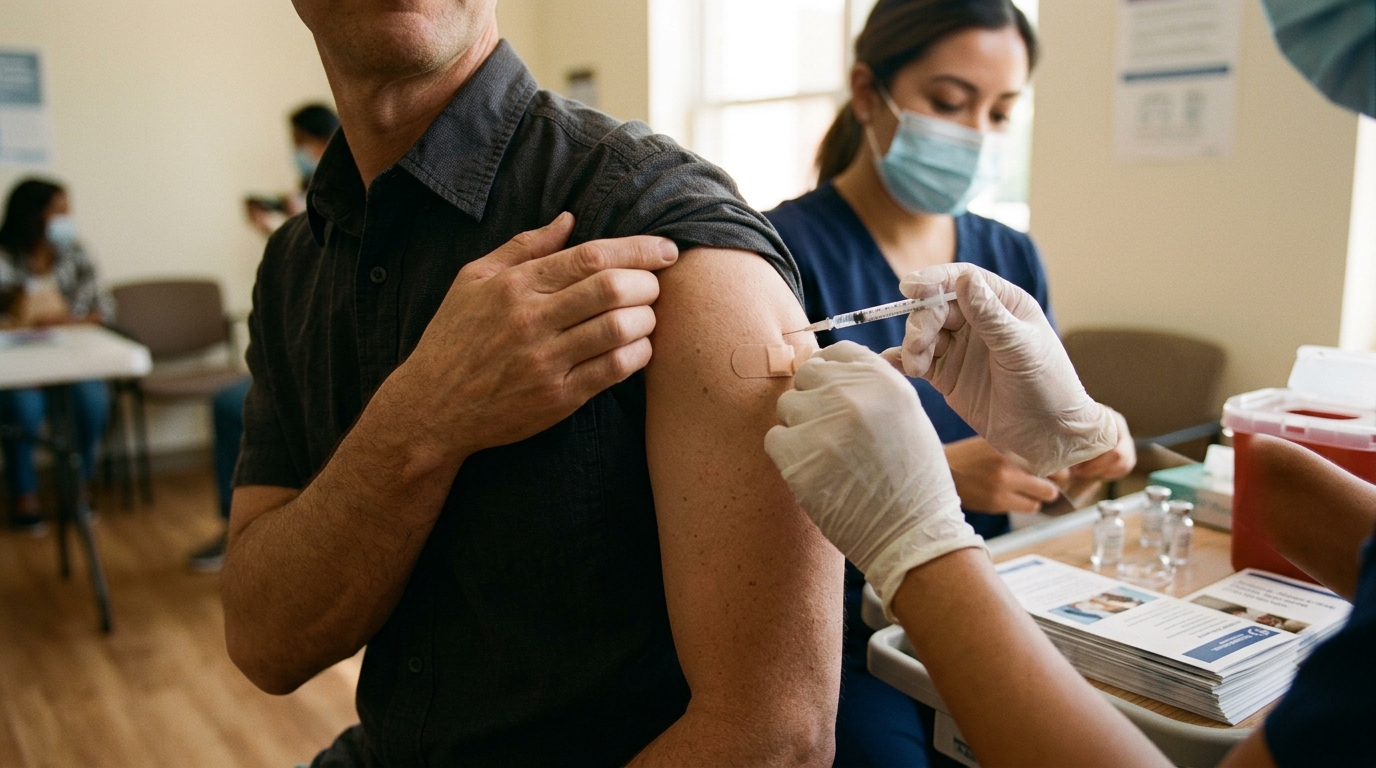
The most effective way to prevent measles is through vaccination with the measles, mumps, and rubella (MMR) vaccine. The Maryland Department of Health strongly recommends that all eligible individuals receive two doses of the MMR vaccine to ensure maximum protection. Children typically receive their first dose between 12 and 15 months of age and a second dose between 4 and 6 years old. For adults, especially those who may have traveled internationally or are in close contact with vulnerable populations, checking vaccination records is crucial. If you're unsure about your vaccination status, consulting with a healthcare provider is a sensible first step. They can help determine if you need to be vaccinated or receive a booster.Community Response and What Residents Should Do
With these new cases, public health officials in Maryland are actively monitoring the situation and working to prevent further spread. They are urging residents, particularly those in the Baltimore area, to be aware of the symptoms and to contact their healthcare provider immediately if they suspect they or someone they know might have measles. It's especially important to call ahead before visiting a clinic or emergency room so staff can take precautions to prevent further transmission. Keeping our communities safe requires a collective effort. Ensuring high vaccination rates not only protects individuals but also creates "herd immunity," safeguarding those who are too young to be vaccinated or have compromised immune systems. This communal shield is vital for public health. For more general information on health services and prevention, Maryland residents can visit Maryland's official health portal.📍 Local Resources
Maryland Department of Health Call Center
Provides general information and guidance on public health concerns, including measles.
Baltimore City Health Department
Offers local public health services, including vaccination clinics and disease prevention information for city residents.
📞 Phone: (410) 396-4398
🌐 Website: health.baltimorecity.gov
📍 Location: 1001 E Fayette St, Baltimore, MD 21202
🕐 Hours: Mon-Fri 8:30am-4:30pm
Baltimore County Department of Health
Provides health services, including immunization clinics and health information for Baltimore County residents.
📞 Phone: (410) 887-2714
🌐 Website: baltimorecountymd.gov/health
📍 Location: 6401 York Rd, Baltimore, MD 21212
🕐 Hours: Mon-Fri 8am-4:30pm
Advertisement
Explore more on this topic
Related Stories

Community
Virginia Mom Channels Grief into Lifesaving Seatbelt Advocacy for Teens
Arlington County·Community
A Virginia
3 days ago4 min read

Community
Maryland Bakery Rebrands, Expands Training for Adults with Disabilities
Montgomery County·Community
4 days ago4 min read

Community
Dupont Circle Braces for Annual 'Epic' Rummage Sale at St. Margaret's Episcopal Church This Saturday
Community
St. Margaret's Episcopal Church in Dupont Circle is holding its "epic" annual rummage sale this Saturday, October 17. The one-day event promises clothing, jewelry, housewares, and more, with all proceeds supporting church ministries and donations benefiting local nonprofits like Charlie's Place.
4 days ago4 min read