Millions Flow into Maryland's 6th Congressional District Democratic Primary as Candidates Self-Fund
Share this article
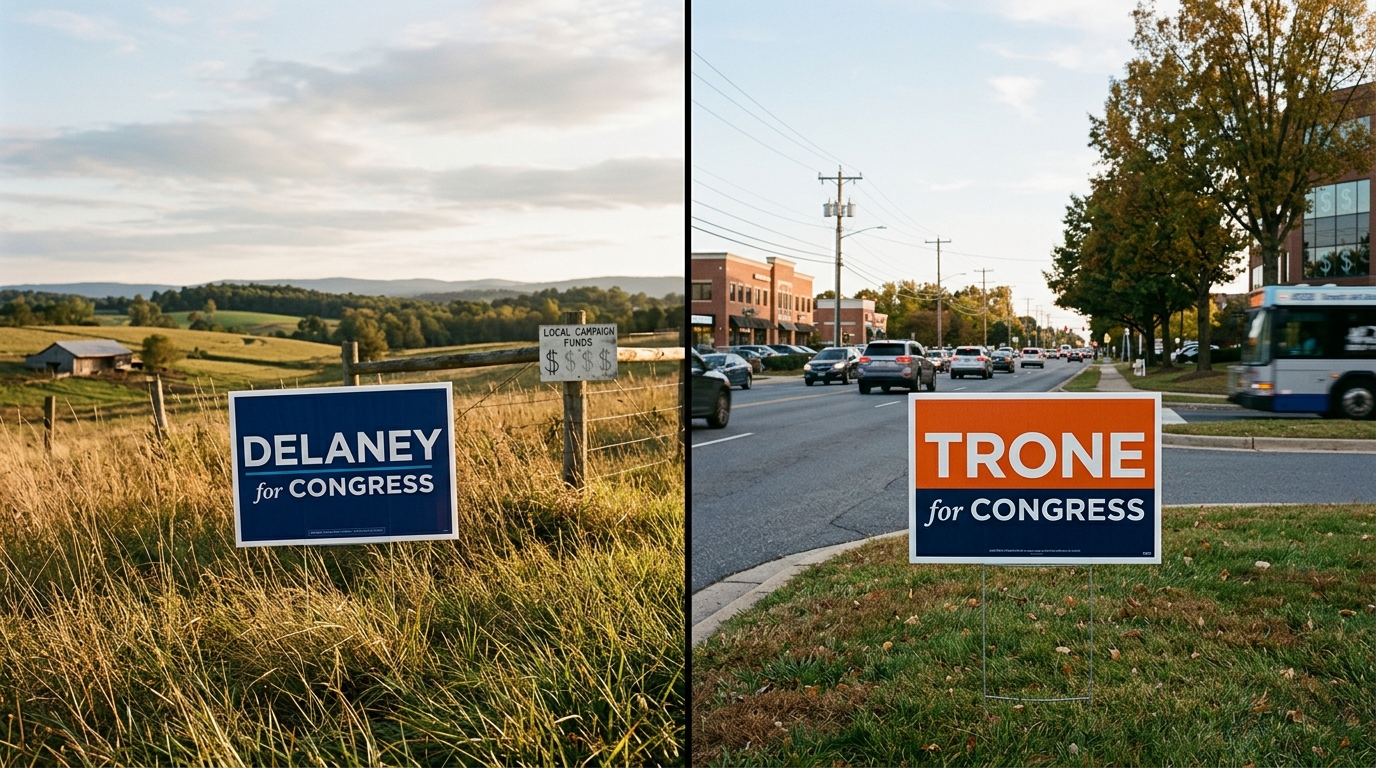
The Democratic primary race for Maryland's 6th Congressional District is seeing an extraordinary influx of campaign cash, largely fueled by the personal wealth of the leading candidates. With millions already spent, the contest highlights the increasing role of self-financing in high-stakes elections across the DMV region and beyond.
Incumbent U.S. Representative April McClain Delaney and her primary challenger, former U.S. Representative David Trone, are both tapping into their personal fortunes to bankroll their bids. This significant financial commitment sets a precedent for the intensity and reach of their campaigns across Western Maryland and into parts of Montgomery County.
A Flood of Personal Wealth in Western Maryland Race
The financial figures underscore the deep pockets at play. According to a report by CNS Maryland, Representative April McClain Delaney has personally contributed more than half of the $1.3 million she has raised for her campaign so far [1]. Her principal opponent, David Trone, has made an even more substantial personal investment, contributing a staggering $5.4 million to his own campaign coffers [1].
This level of self-funding is not uncommon in races where candidates possess significant personal wealth, but the scale in Maryland's 6th District Democratic primary is particularly notable. It allows campaigns to bypass traditional fundraising hurdles, quickly build infrastructure, and saturate media markets with advertisements.
The Impact of Self-Funding on Campaigns
When candidates predominantly self-fund, it can reshape the dynamics of an election. On one hand, it can free candidates from perceived obligations to special interest groups or large donors, theoretically allowing them to focus solely on voter interests. On the other hand, it raises questions about equity and accessibility in the political process, as candidates without personal wealth may struggle to compete financially.
The influx of personal money often translates into extensive outreach efforts, including television and digital advertising, robust ground operations, and frequent mailers. For the voters in the 6th District, which spans from the mountains of Western Maryland through Frederick County and into the affluent suburbs of Montgomery County, this means a likely bombardment of campaign messages as the primary approaches. The Federal Election Commission (FEC) provides transparent data on campaign finance, allowing the public to track these expenditures.
What This Means for Voters in the 6th District
For residents of communities like Hagerstown, Frederick, and Gaithersburg, the financial might of these campaigns means a highly visible primary contest. Voters can expect to see and hear from both Delaney and Trone frequently, with resources allocated to reach every corner of the district. This intense competition can lead to a more thoroughly debated set of issues, as candidates vie for every vote.
Understanding where campaign funds originate is crucial for an informed electorate. The Maryland State Board of Elections provides public access to campaign finance reports, offering transparency into how candidates are raising and spending money. The sheer volume of spending in this primary could also signal the perceived importance of the 6th District seat within the broader national political landscape, as well as the ambition of the candidates involved.
As the primary election draws closer, the financial firepower demonstrated by both April McClain Delaney and David Trone will undoubtedly shape the narrative and reach of their campaigns. Voters in Maryland's 6th Congressional District will have ample opportunity to evaluate the candidates, not just on their policy positions, but also on the resources they bring to bear in their quest for the nomination.
Explore more on this topic
Related Stories
Arlington Leaders Eye Federal Shifts After "Historic Tsunami" of Democratic Wins
Arlington leaders are celebrating a "historic tsunami" of Democratic wins in Congress, hoping the shift will bring renewed focus on federal worker pay, Metro funding, and environmental protections vital to the community.
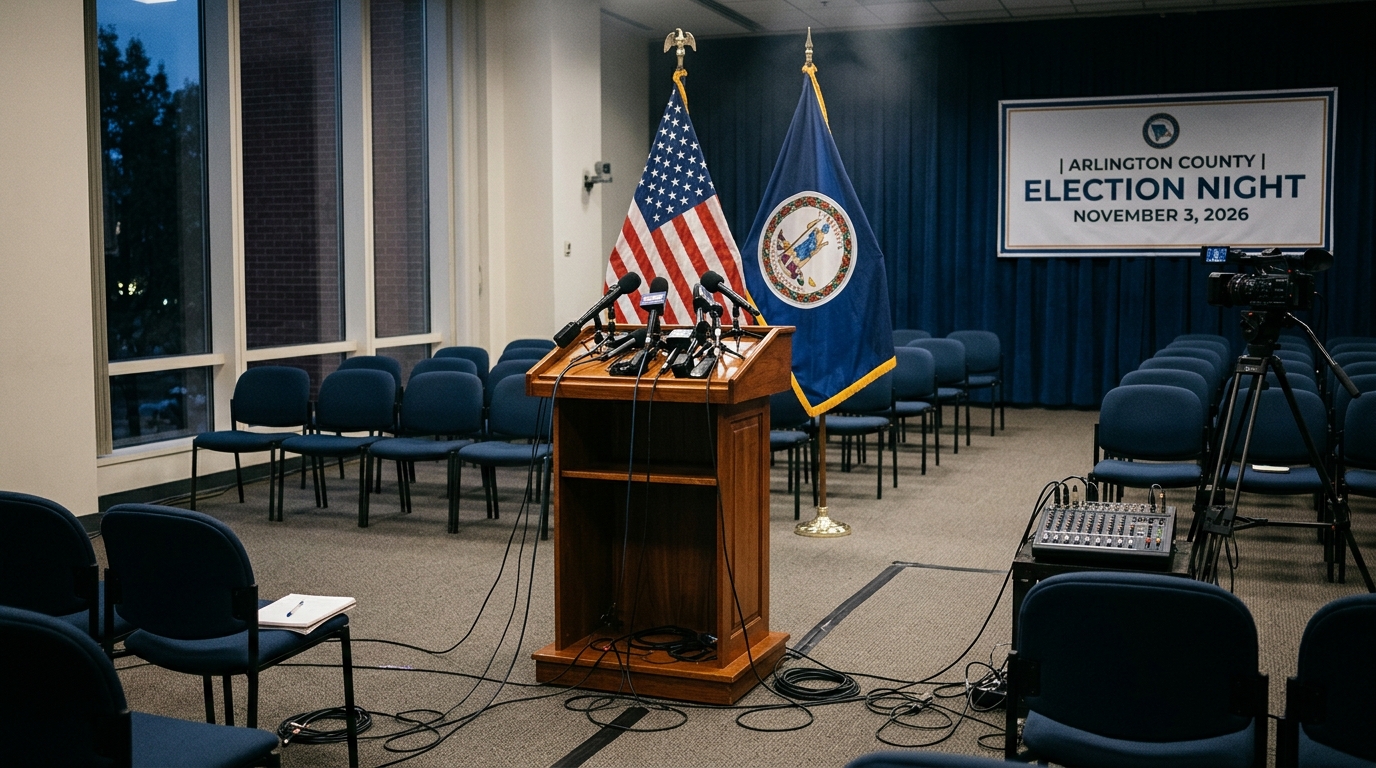
Arlington Democrats Turn Eyes to Congress as Local Races Conclude on Election Night
Arlington Democrats gathered in Shirlington on election night, November 3, 2026, found themselves quickly turning their attention from decisive local victories to the high-stakes national battle for control of Congress.
Virginia Midterms: How Election Outcomes Could Reshape the Commonwealth's Constitution and Congressional Map
Midterm election results in Virginia could trigger significant changes to the state's constitution and its congressional delegation, impacting representation and governance for DMV residents for years to come.