Lightning Safety in the DMV: What Residents Need to Know When Thunder Roars
Share this article
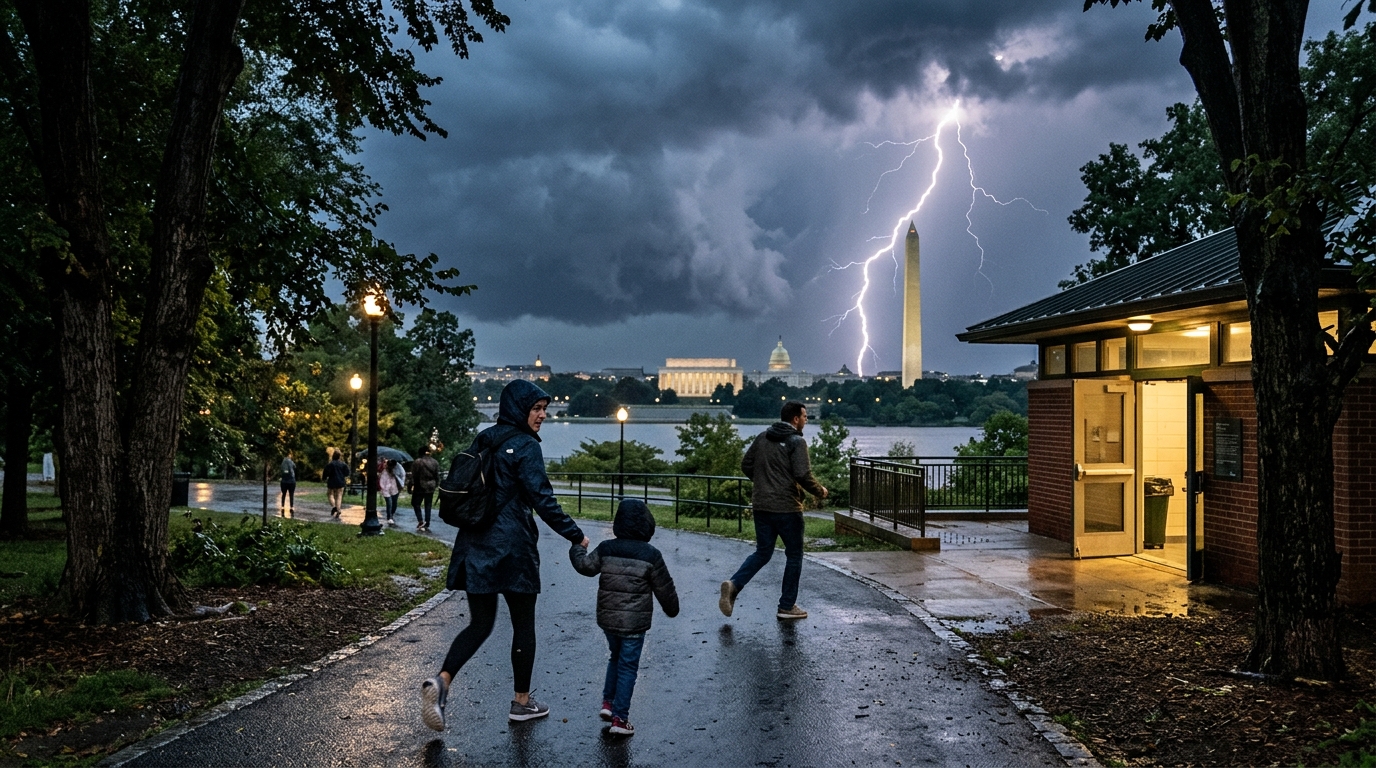
As summer approaches, thunderstorms become a common occurrence across the Washington, D.C., Maryland, and Virginia (DMV) region, bringing with them the often-underestimated danger of lightning. While beautiful to observe from a distance, lightning poses a significant threat, capable of causing severe injury or even death. Understanding what to do when lightning strikes nearby is crucial for every resident in our bustling metropolitan area and surrounding communities.
WBALTV Meteorologist Dalencia Jenkins highlights the critical importance of knowing how to react when lightning is in your vicinity [1]. It's not just about direct strikes; lightning can harm in several ways, making awareness and preparedness your best defense.
The Hidden Dangers of Lightning
Lightning is far more dangerous than many realize, often striking without warning even when the main storm appears some distance away. It's a powerful electrical discharge that can travel through the air, ground, and even plumbing or electrical systems. The primary ways lightning causes harm include:
- Direct Strike: When a person is part of the lightning channel. This is often fatal.
- Side Flash: Occurs when lightning strikes a taller object near the victim and a portion of the current jumps to the victim.
- Ground Current: When lightning strikes the ground, the current spreads outwards. This is the most common cause of lightning casualties and can affect multiple people or animals simultaneously.
- Conduction: Lightning can travel through metal fences, plumbing, and electrical wires.
- Streamers: Less common, but upward streamers can develop from the ground towards the lightning channel.
The National Weather Service (NWS) emphasizes that there is no safe place outdoors when lightning is present. If you can hear thunder, you are close enough to be struck by lightning. This is encapsulated in the vital "When Thunder Roars, Go Indoors!" slogan.
Immediate Actions When Lightning Threatens
The moment you hear thunder, or see lightning, it's time to seek immediate shelter. For DMV residents, this means finding a substantial building or an enclosed, hard-topped vehicle. Carports, picnic shelters, and open garages do not offer adequate protection. Staying safe means removing yourself from open spaces, elevated areas, and away from isolated tall objects like trees.
When outdoors, particularly in areas like Rock Creek Park, Great Falls, or along the Anacostia Riverwalk Trail, it's critical to be proactive. Boaters on the Potomac River or Chesapeake Bay should monitor weather alerts closely and head to shore at the first sign of a storm. Swimmers at local pools or beaches should exit the water immediately, as water conducts electricity.
Safety Inside Your Home
Even indoors, precautions are necessary. Lightning can travel through electrical systems, plumbing, and telephone lines. To minimize risk:
- Avoid showering, bathing, or washing dishes during a thunderstorm.
- Unplug electronic equipment like computers, televisions, and charging phones.
- Stay away from windows and doors, and do not lie on concrete floors or lean against concrete walls.
- Avoid using corded phones. Cell phones and cordless phones are generally safe to use.
If Someone is Struck by Lightning
Lightning strike victims do not carry an electrical charge and are safe to touch. If you witness someone being struck:
- Call 911 immediately.
- Check for breathing and a pulse. If absent, begin cardiopulmonary resuscitation (CPR) if you are trained.
- Look for burns and other injuries.
- Move the victim to a safer location if the threat of another strike persists.
Prompt medical attention can significantly improve a victim's chances of survival and recovery. The Ready.gov website provides comprehensive guidance on lightning safety and what to do in an emergency.
Staying Informed in the DMV
Residents across Washington, D.C., Maryland, and Northern Virginia should stay informed about local weather conditions. The National Weather Service office in Sterling, Virginia, provides forecasts and severe weather alerts specifically for our region. Many local news outlets, including WBALTV, also offer detailed weather tracking and safety advice.
Having multiple ways to receive weather alerts, such as NOAA Weather Radio, local TV and radio broadcasts, and smartphone apps, is essential. Preparedness can mean the difference between a close call and a serious incident when lightning is active in the DMV.
📍 Local Resources for Lightning Safety & Emergencies
For immediate medical emergencies, fires, or police assistance related to lightning strikes or severe weather.
Provides official weather forecasts, warnings, and advisories for the Washington/Baltimore metropolitan area.
Report power outages in Washington, D.C., and parts of Maryland.
Report power outages in Northern Virginia and other parts of the state.
Report power outages and gas emergencies in Baltimore and central Maryland.