Courts
Kennedy Center Governance Shifts Back to Congress Following Judge's Ruling
Share this article
Advertisement
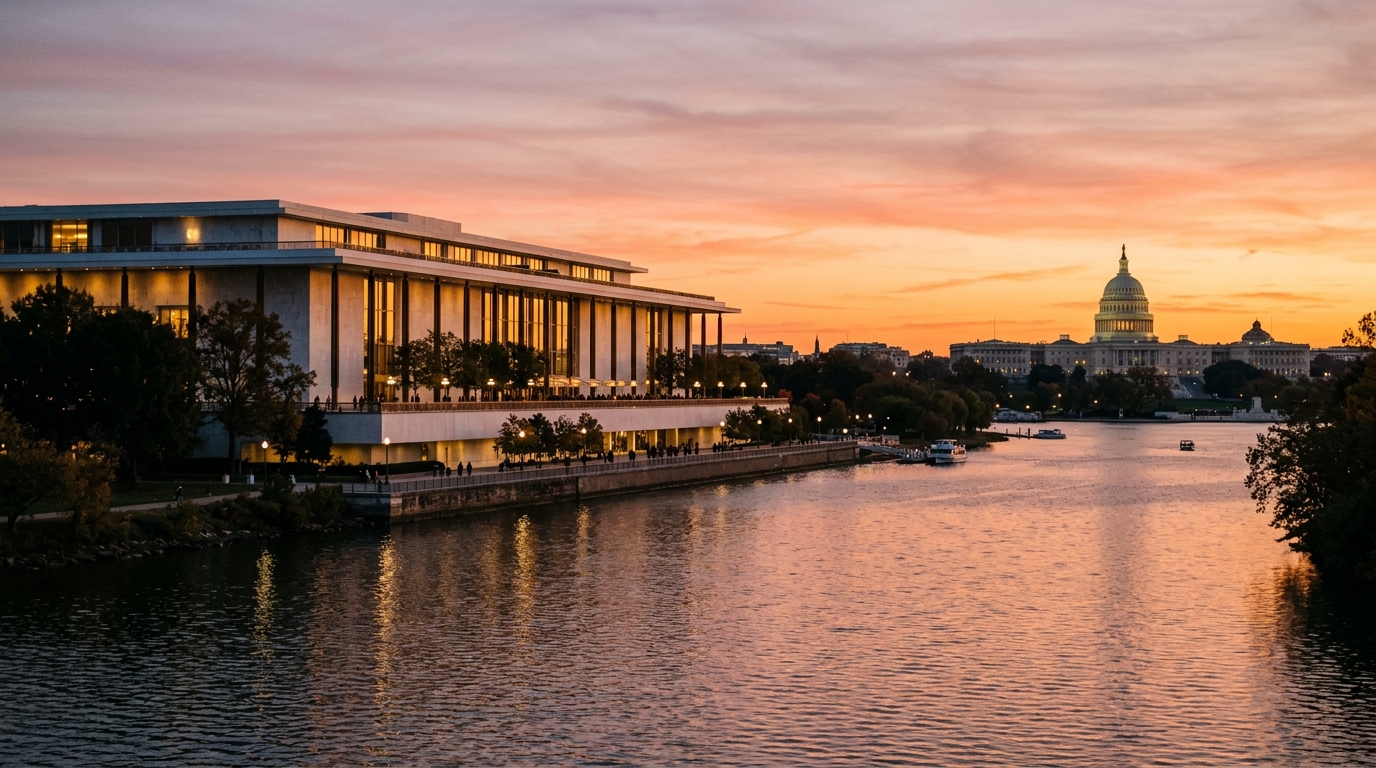
The iconic John F. Kennedy Center for the Performing Arts, a beacon of culture on the Potomac, is seeing a significant shift in its oversight. Following a judge's ruling, former President Trump is reportedly returning control of the Kennedy Center back to Congress, a move that re-establishes traditional lines of authority for the federally chartered institution [1]. This development underscores the unique, often complex, relationship between national cultural landmarks and the federal government that funds and oversees them. For residents across Washington, D.C., Maryland, and Virginia, the Kennedy Center isn't just a venue; it's a vital part of the region's identity and cultural fabric. From Broadway shows and classical concerts to free Millennium Stage performances, its programming enriches countless lives and draws visitors from around the globe. Clear, stable governance is crucial for the center's ability to continue its mission, and this judicial decision aims to clarify who holds the reins.
A National Treasure with Federal Ties
Situated majestically on the banks of the Potomac River, the Kennedy Center stands as both a living memorial to President John F. Kennedy and a vibrant performing arts center. Chartered by Congress in 1964, it operates under a unique public-private partnership. While it relies heavily on private donations and ticket sales, a significant portion of its operational funding, particularly for maintenance and repair of the building itself, comes from federal appropriations. This dual funding stream inherently links its operations to the political landscape of Washington. The center's mission is expansive, encompassing everything from presenting world-class performing arts to fostering arts education and serving as a national cultural resource. Its board of trustees includes both private citizens and members of Congress, reflecting its hybrid nature. Understanding this structure is key to grasping why a change in "control" or oversight, even if the specific details of the judge's ruling aren't fully public, matters so much.The Kennedy Center serves as the nation's performing arts center, hosting over 2,000 performances annually and welcoming millions of visitors.
Congressional Oversight: A Historical Perspective
Historically, Congress has maintained a significant role in the governance and financial health of the Kennedy Center. Its charter explicitly outlines the responsibilities of the Board of Trustees, many of whom are appointed by the President but ultimately answerable to the legislative branch. This oversight ensures accountability for federal funds and alignment with the center's mandate as a national memorial and cultural institution. The "return to Congress" suggests a re-assertion of this traditional oversight. While the specific actions taken by former President Trump that led to the judicial ruling are not detailed in the available information, the outcome indicates a legal clarification of where ultimate authority resides. This kind of judicial intervention often occurs when there's a perceived overreach or deviation from established legal frameworks regarding federal entities. The legislative branch, through committees like those overseeing appropriations or public works, typically monitors the center's budget, projects, and overall direction. For more on the center's charter and governance, the Kennedy Center's official website provides details on its board and structure.The Role of the Judiciary
A judge's ruling in such a matter highlights the judiciary's role as an arbiter in disputes concerning governmental powers and the interpretation of established laws and charters. Without specific details on the court or the nature of the suit, it's challenging to pinpoint the exact legal arguments. However, such rulings typically clarify jurisdictional boundaries or the proper exercise of authority by different branches of government over federally chartered institutions. This legal mechanism ensures that the operations of organizations like the Kennedy Center remain consistent with their founding legislation and congressional intent. The federal court system often weighs in on these types of inter-branch disputes, as seen in various cases involving federal agencies and commissions. More information on the federal judiciary's structure can be found on USCourts.gov.What This Means for the DMV Arts Community
For the local arts community and residents in the DMV, this clarification in governance is generally a positive development. A clear chain of command and adherence to established legal frameworks often leads to greater stability and predictability. This can positively impact the center's ability to secure federal funding, which in turn supports its diverse programming, educational initiatives, and the upkeep of its iconic building. The Kennedy Center is a major employer and economic driver in the District, attracting tourism and supporting countless ancillary businesses, from restaurants to hotels. Ensuring its smooth operation through proper oversight is vital not just for cultural enrichment but also for the region's economic health. The legislative branch's continued involvement helps ensure that the center remains responsive to national interests while also serving the local community. The National Endowment for the Arts, another federally supported institution, often collaborates with and supports organizations like the Kennedy Center, further intertwining federal policy with cultural output.Looking Ahead
As control officially reverts to Congress, the focus will likely return to the legislative branch's traditional oversight responsibilities. This could mean renewed attention to the Kennedy Center's long-term strategic plans, its capital needs, and its role in national cultural policy. For DMV residents, this means a continued expectation of high-quality programming and accessibility, supported by a governance structure that is now, by judicial decree, firmly back within the established federal framework. Watch for any congressional committee hearings or reports that might follow this shift, as they could provide further insight into the center's future direction and funding.Advertisement