Politics
Howard County
Howard County Schools Secure Near-Full Budget, But Funding Debates Persist
Share this article
Advertisement
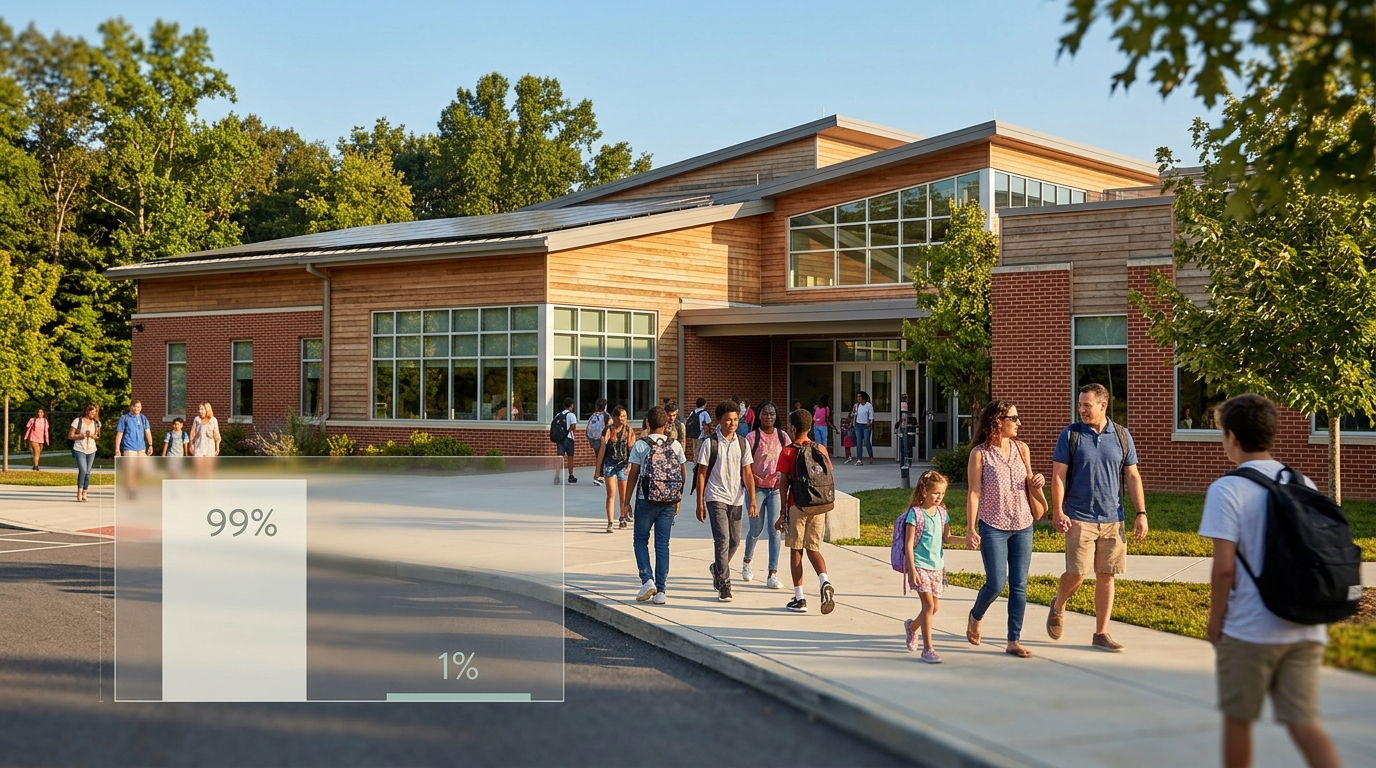
For families, educators, and students across Howard County, the annual school budget process is always a critical moment, shaping everything from classroom sizes to extracurricular opportunities. This year, the Howard County Public School System (HCPSS) saw a significant victory, receiving a robust 99% of its requested budget. Yet, despite this near-complete allocation, a persistent undercurrent of concern remains, with various stakeholders arguing that even a 1% shortfall can translate into tangible impacts on the ground [1]. The outcome reflects the complex dance between the school system's ambitious vision for its students and the fiscal realities faced by the Howard County Council and executive branch. While securing such a high percentage of funding might appear as a resounding endorsement, the lingering calls for more funding highlight the deep-seated needs within one of Maryland's most acclaimed public school districts. This isn't just about numbers on a spreadsheet; it's about the daily lives of thousands of students and the dedicated professionals who teach and support them.
The Howard County Public School System secured 99% of its budget request, yet some community members and advocates continue to press for additional resources.
## Navigating the Budgetary Landscape Each year, the Howard County Public School System crafts a detailed budget request, outlining its operational needs, strategic initiatives, and capital improvements for the upcoming fiscal year. This comprehensive document is the culmination of months of planning, input from school administrators, educators, and community members, and an assessment of student enrollment projections and programmatic demands. The request then goes through a rigorous review process by the County Executive and, ultimately, the County Council, who make the final appropriations. This year's request undoubtedly aimed to address a multitude of critical areas. Typically, school system budgets prioritize teacher salaries and benefits to attract and retain top talent, special education services to meet the needs of all learners, and funding for academic programs, technology upgrades, and facility maintenance. The fact that the system received 99% of what it asked for suggests a strong alignment between the school board's priorities and the county's financial capacity, or at least a powerful advocacy effort that resonated with decision-makers. However, the remaining 1% that wasn't granted can represent a substantial sum in a multi-million-dollar budget. For a large, growing school system like HCPSS, even a small percentage can translate into unfulfilled positions, delayed program expansions, or deferred maintenance projects. It's in these specific areas that the "some still want more" sentiment often finds its voice, transforming abstract percentages into concrete impacts on students and staff. ## The Voices Calling for More Who are these voices, and what are their concerns? They typically include parent-teacher associations (PTAs), teacher unions, special education advocates, and community groups focused on equity and access. Their arguments often center on specific gaps they perceive will emerge or widen due due to the slight shortfall. For instance, teacher unions might argue that the missing funds could have been directed towards more competitive salary increases, reducing class sizes, or hiring additional support staff like counselors and nurses. These investments are seen as crucial for teacher morale, student well-being, and overall educational quality. Advocates for special education might point to the complex and often costly services required for students with disabilities, asserting that any budget reduction, however minor, could strain resources and impact individualized support plans. Similarly, groups focused on equity might highlight how a slight underfunding could disproportionately affect schools in underserved communities, potentially delaying much-needed interventions or resources for students facing socio-economic challenges. These discussions often underscore the belief that a fully funded budget isn't just a wish list but a fundamental requirement for delivering on the promise of a high-quality education for every child in Howard County. The Maryland State Department of Education provides frameworks for equitable funding, and local advocates often reference these state standards in their calls for full funding. ## Impact on Howard County Residents For the nearly 60,000 students enrolled in the Howard County Public School System, and their families, these budgetary decisions have direct implications. A 99% funding rate means that the vast majority of planned initiatives, staffing levels, and educational programs will move forward as intended. This offers a level of stability and continuity that many school districts might envy. However, the areas where the 1% shortfall hits could still be keenly felt. Perhaps it means fewer new teachers hired than desired, leading to slightly larger class sizes in some elementary grades. It could translate to delays in purchasing new curriculum materials or technology for specific departments. For parents, it might mean a longer waitlist for certain popular extracurricular activities or a reduction in after-school support programs. While not catastrophic, these subtle shifts can accumulate and impact the overall educational experience for individual students and schools. Residents often engage with the Howard County Council during public hearings to voice their opinions on these matters. ## The Broader Context of School Funding The debate over school funding in Howard County isn't unique; it's a microcosm of a larger, ongoing conversation happening in communities across the nation. Education is often the single largest expenditure for local governments, and balancing educational needs with other county services—such as public safety, infrastructure, and health services—is a perennial challenge for county executives and councils. Factors like fluctuating student enrollment, rising healthcare costs for employees, and state-mandated educational reforms (like Maryland's Blueprint for Maryland's Future, which aims to significantly increase school funding statewide) all play a role in shaping the budget landscape. Even as the county provides substantial funding, the cost of delivering a top-tier education continues to climb, creating a constant pressure point. The advocacy groups pushing for more funding often operate from the perspective that every dollar invested in education yields long-term benefits for the community, from a stronger workforce to a more engaged citizenry. They argue that skimping on even a small percentage can have ripple effects that cost more in the long run. ## What's Next for HCPSS and the Community? While the current budget has been approved, the conversation about school funding in Howard County is far from over. The dissatisfaction expressed by some groups suggests that these debates will continue into the next budget cycle, if not sooner. Community members and advocacy organizations will likely monitor the impact of the current budget closely, gathering data and anecdotes to bolster their arguments for future funding requests. Parents and residents interested in these discussions should stay engaged with their local school board meetings and county council sessions. These public forums are crucial venues for understanding the nuances of school funding and making their voices heard. The Howard County Council of PTAs is often a central hub for advocacy and information sharing on these topics. As the school year progresses, the Howard County Public School System will implement its plans, and the true effects of the budget allocation will become clearer. It's a situation that underscores the ongoing commitment required from both county leadership and the community to ensure that Howard County's schools continue to meet the high expectations placed upon them. 📍 Local Resources
Howard County Public School System (HCPSS)
Official website for information on schools, curriculum, and budget details.
📞 Phone: (410) 313-6600
🌐 Website: hcpss.org
📍 Location: 10910 Clarksville Pike, Ellicott City, MD 21042
🕐 Hours: Mon-Fri 8:30am-4:30pm (Administrative Offices)
Howard County Council
Information on county legislation, budget hearings, and contacting council members.
📞 Phone: (410) 313-2001
📍 Location: George Howard Building, 3430 Court House Dr, Ellicott City, MD 21043
🕐 Hours: Check website for public meeting schedules
Howard County Council of PTAs (HCCPTA)
Advocacy group for parents, students, and schools in Howard County.
🌐 Website: howardcountyptac.org
✉️ Email: [email protected]
Advertisement