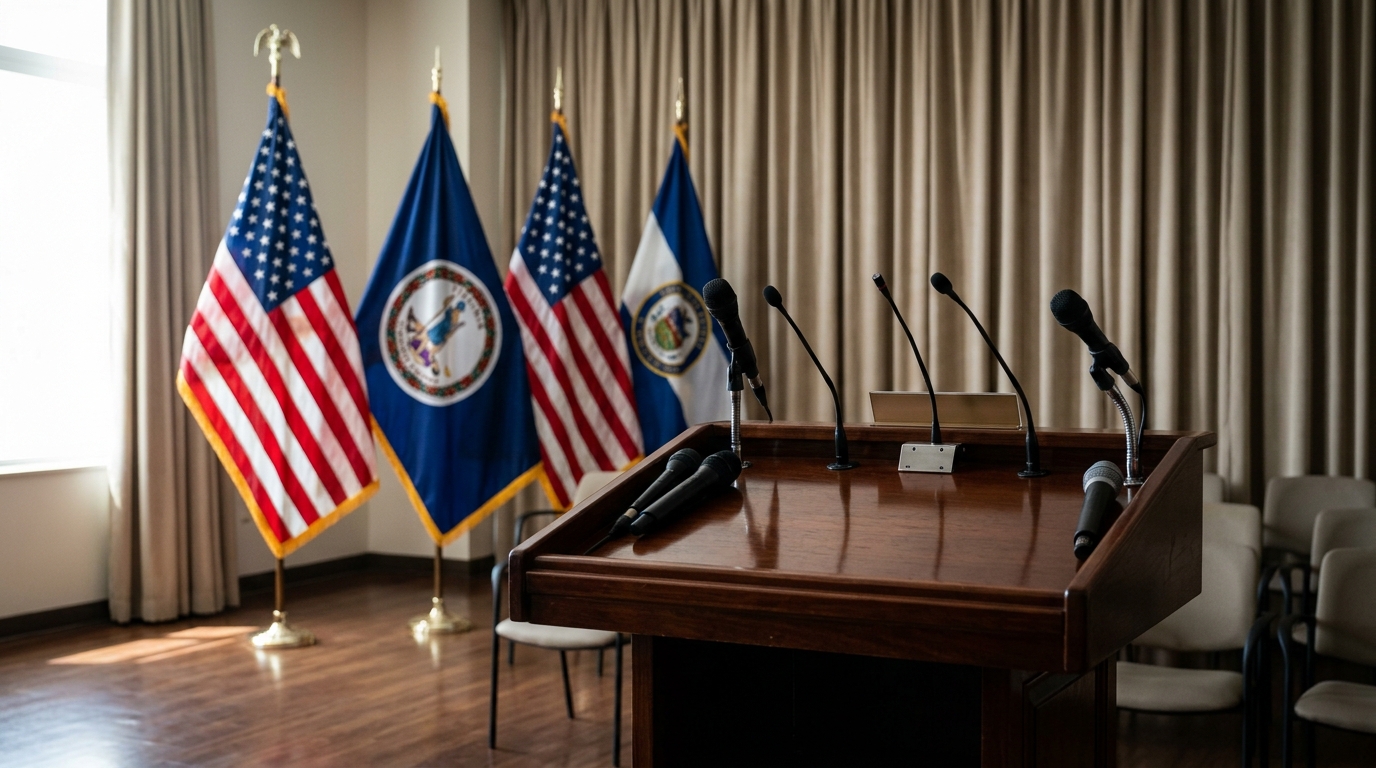
House Oversight Committee Demands Records from DC Police
Share this article
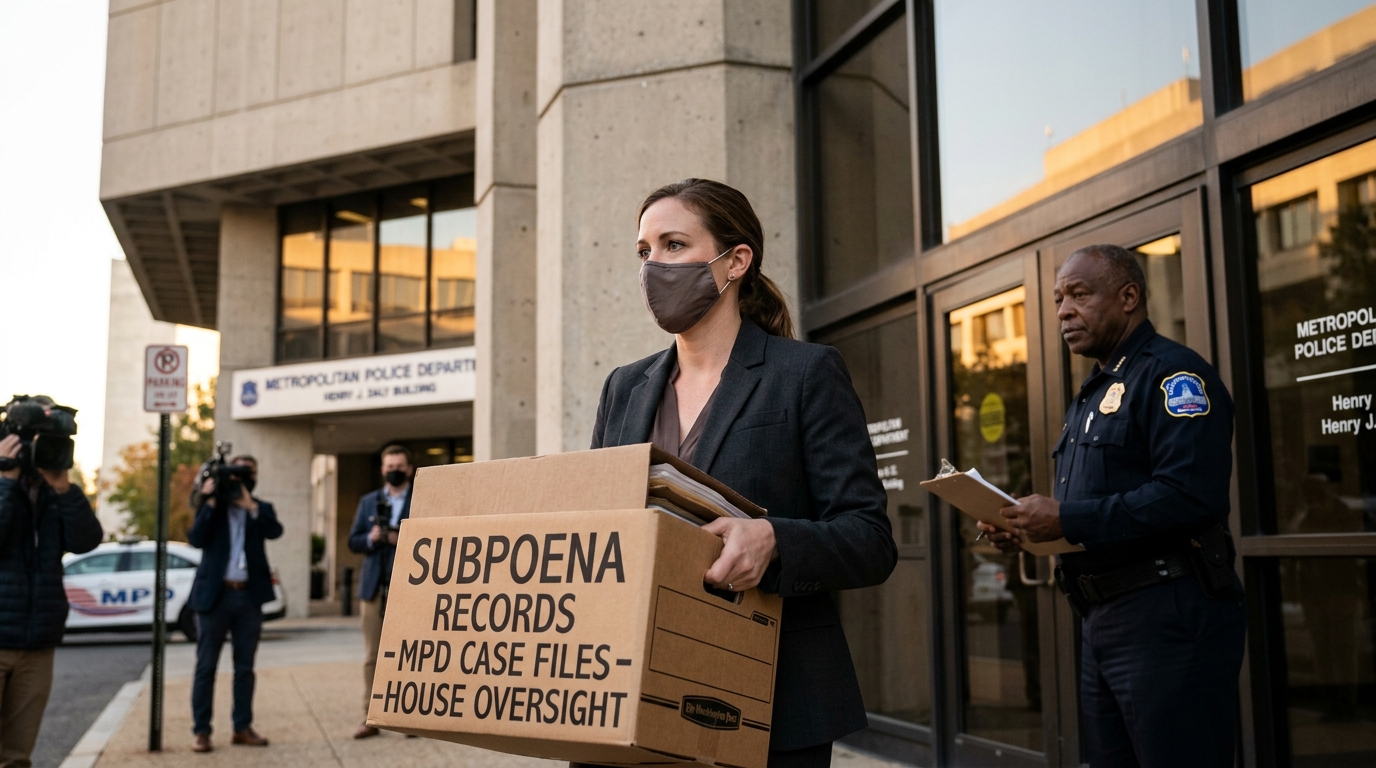
Why Federal Oversight Matters for DC Police
The Metropolitan Police Department is one of the largest municipal police forces in the country, responsible for public safety across the District's diverse neighborhoods, from Capitol Hill to Anacostia. Its operations are vital to the daily lives of hundreds of thousands of residents and the millions of visitors who come to the nation's capital each year. The demand for records from a federal committee underscores the heightened interest in how the MPD operates, its procedures, and its interactions with the community. Transparency in policing is a cornerstone of public trust. When federal bodies like the House Oversight Committee request records, it's typically aimed at understanding specific incidents, assessing departmental policies, or investigating broader patterns. These records could range from internal communications and training materials to use-of-force reports or specific case files. The goal is often to ensure that law enforcement agencies are adhering to best practices, respecting civil liberties, and operating effectively. Information about the MPD's mission and operations can be found on the D.C. Metropolitan Police Department's official site.Implications for the District
For the MPD, complying with a congressional records demand is a serious undertaking, requiring significant resources to gather and provide the requested information. It can also lead to internal reviews of policies and practices, potentially prompting reforms or adjustments in operations. For D.C. residents, this federal scrutiny could be seen as a pathway to greater accountability and a deeper understanding of how their city is policed. However, the unique federal-local dynamic in D.C. also sometimes sparks debates about federal overreach versus local autonomy. While federal oversight can bring valuable checks and balances, some local leaders and residents advocate for greater self-determination, arguing that D.C. should have the same rights as any state to manage its own affairs without congressional interference. This ongoing tension is a constant backdrop to such federal demands. More on the District's government structure is available through DC.gov.What's Next?
The ball is now in the MPD's court to respond to the House Oversight Committee's demand. The process of gathering and reviewing records can be extensive, and the committee will then analyze the information provided. Depending on what the records reveal, this could lead to public hearings, legislative proposals, or further investigative actions. For DMV residents, especially those in D.C., keeping an eye on this development means watching for potential impacts on local policing policies, community relations, and the ongoing dialogue about the District's governance. This situation reminds everyone that in the nation's capital, local issues often intersect with federal interests in profound ways.📍 Local Resources
An independent agency that receives and investigates complaints of misconduct against D.C. Metropolitan Police Department officers and correctional officers. Provides mediation and oversight.
Works to defend and preserve the individual rights and liberties guaranteed by the Constitution and laws of the United States, including issues related to police accountability and civil rights.
Advocates for transparency and accountability in D.C. government, including access to public records and open meetings. Can assist with understanding public information requests.
Explore more on this topic
Related Stories
Councilmember Janeese Lewis George Urges Caution on Waymo Legislation, Citing DC's Jobs Crisis
Ward 4 Councilmember Janeese Lewis George has urged the DC Council to pump the brakes on Waymo legislation this year, warning that rushing autonomous vehicle laws could worsen the city's "jobs crisis" by displacing workers. She emphasizes the need to prioritize safety and worker support alongside technological advancement.
Ousted Board of Appeals Chair Sues Howard County Council, Office of Law
Howard County's ousted Board of Appeals chair has filed a lawsuit against the County Council and the Office of Law, initiating a significant legal challenge within the local government structure. This action highlights internal administrative disputes and brings the county's appointment and oversight processes into public scrutiny.