Majestic Hawk Graces Historic Kennedy-Warren Terrace in Washington, D.C.
Share this article
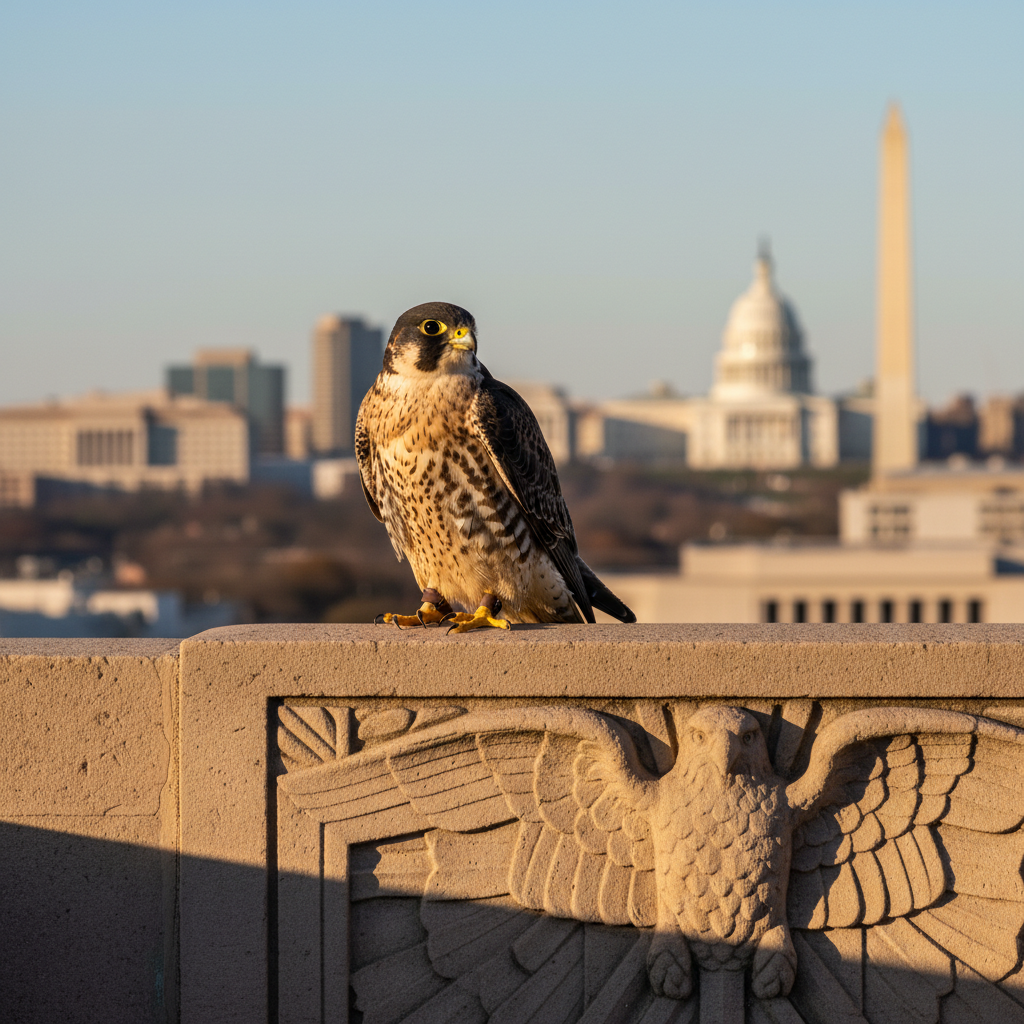
In the heart of Washington, D.C., where the grandeur of history meets the pulse of modern urban life, an unexpected visitor recently brought a moment of profound quiet and wild beauty. High above the bustling streets, on a terrace at the distinguished Kennedy-Warren apartment building, a hawk settled, offering a rare glimpse into the persistent presence of nature within the city's intricate fabric.
The sighting, captured in striking photographs by a resident named Will, showcased the raptor in a moment of serene contemplation, its keen eyes surveying the urban landscape. It was a powerful reminder that even amidst the concrete and glass, the ancient rhythms of the wild continue to unfold, often just beyond our immediate notice.
A Glimpse into Urban Wildness
The images shared by Will depict a magnificent hawk perched with an air of regal command, its feathers a rich tapestry of browns and creams, its sharp talons gripping the terrace railing. The bird’s presence was a stark, beautiful contrast to the manicured elegance of the historic building. "Had an interesting visitor on my terrace at the Kennedy Warren," Will shared, underscoring the surprise and wonder such an encounter evokes [1].
Such sightings are more than mere curiosities; they are vital threads in the ongoing narrative of urban ecology. They highlight the remarkable adaptability of wildlife, particularly raptors like hawks, which have learned to thrive in environments shaped by human activity. These birds often utilize tall buildings as substitutes for cliff faces or large trees, providing ideal vantage points for hunting pigeons, squirrels, and other small prey that populate city parks and green spaces.
The Kennedy-Warren: A Historic Perch
The backdrop for this natural spectacle, the Kennedy-Warren Apartments, is a landmark unto itself. Located in the affluent Forest Hills neighborhood of Northwest D.C., this iconic Art Deco building, completed in 1931, stands as a testament to early 20th-century luxury and architectural prowess. Its distinctive setbacks and elegant terraces create unique micro-habitats that can attract a variety of bird species, from songbirds seeking shelter to raptors seeking a high perch.
The building's proximity to Rock Creek Park, a sprawling urban oasis, further enhances its appeal to wildlife. The park acts as a critical green corridor, allowing animals to move through the city relatively undisturbed. This ecological connection underscores how even dense urban areas are part of a larger, interconnected ecosystem, where the boundaries between wild and developed are often blurred.
Hawks in the D.C. Cityscape
Washington, D.C., with its abundant parkland, mature tree canopy, and access to the Potomac River, supports a surprisingly diverse population of raptors. Red-tailed Hawks, Cooper's Hawks, and even the occasional Peregrine Falcon are increasingly common sights, adapting to urban living by nesting on building ledges, bridges, and in tall park trees. These birds play a crucial ecological role, helping to manage populations of rodents and smaller birds, contributing to the city's overall biodiversity and health.
The presence of these apex predators in an urban environment speaks to the resilience of nature and the success of conservation efforts that have allowed many raptor populations to rebound. Understanding and appreciating these urban dwellers is part of fostering a healthier, more connected relationship with our local environment. The DC Department of Energy & Environment's Urban Wildlife Program provides resources and information on how residents can coexist with and protect these creatures.
A Moment of Connection
For many city dwellers, a hawk sighting offers a momentary escape from the daily grind, a chance to pause and witness something truly wild. It's a reminder that even in the most built-up environments, nature persists, adapting, and occasionally, asserting its majestic presence. The hawk on the Kennedy-Warren terrace was not just a bird; it was a symbol of this enduring connection, a fleeting, beautiful encounter that enriches the urban experience.
As D.C. continues to grow and evolve, these encounters highlight the importance of preserving and expanding green spaces, ensuring that the city remains a welcoming habitat not just for its human residents, but for the diverse array of wildlife that calls it home. The keen eye of a hawk, observing from a terrace, reminds us to look up, to slow down, and to appreciate the wild wonders that share our streets and skies.
📍 Local Resources: Urban Wildlife & Conservation
Provides information and resources on urban wildlife, conservation efforts, and how to report wildlife concerns in Washington, D.C.
A rehabilitation center for injured and orphaned wild animals in Washington, D.C., offering rescue and care services.
Engages in bird conservation, education, and advocacy, providing local birding resources and events.
Explore more on this topic
Related Stories

Virginia Mom Channels Grief into Lifesaving Seatbelt Advocacy for Teens
A Virginia

Maryland Bakery Rebrands, Expands Training for Adults with Disabilities
Dupont Circle Braces for Annual 'Epic' Rummage Sale at St. Margaret's Episcopal Church This Saturday
St. Margaret's Episcopal Church in Dupont Circle is holding its "epic" annual rummage sale this Saturday, October 17. The one-day event promises clothing, jewelry, housewares, and more, with all proceeds supporting church ministries and donations benefiting local nonprofits like Charlie's Place.