The Surprising Truth About Handling Priceless Shakespeare Texts in DC: No Gloves Allowed
Share this article
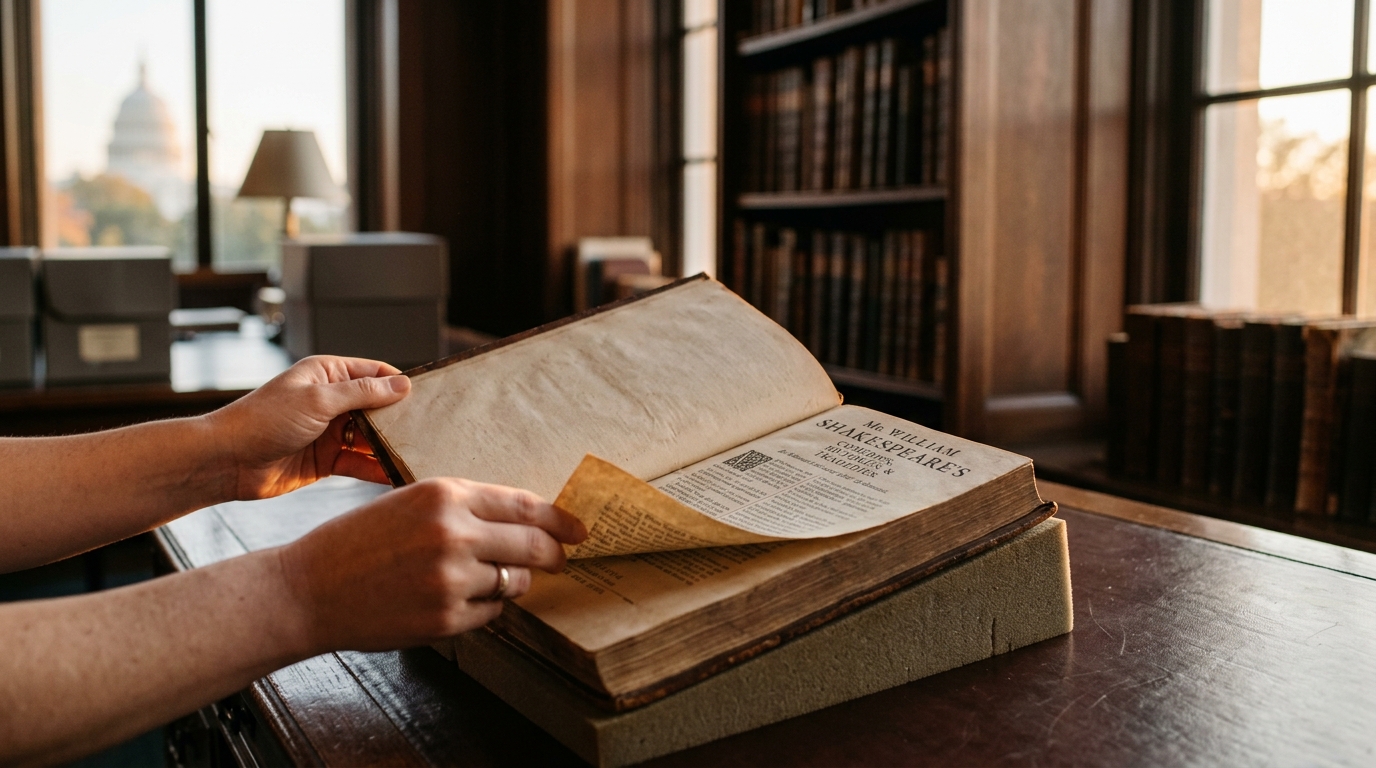
In the hallowed halls of Washington, D.C.'s many venerable institutions, where centuries-old documents and artifacts are carefully preserved, a counter-intuitive practice governs the handling of some of the most priceless treasures: 400-year-old Shakespeare texts. Forget the white gloves often associated with delicate items; experts here embrace a different, more effective method to protect these literary relics.
It turns out that for these incredibly fragile, centuries-old works, the traditional image of conservators donning crisp white gloves is largely a myth. Instead, the best practice, widely adopted by leading conservators and librarians in the nation's capital, involves bare, meticulously clean hands. This approach, while surprising to many, is rooted in a deep understanding of material science and the subtle ways human interaction can impact ancient paper and bindings.
The Science Behind Bare Hands
The reasoning is simple yet profound: gloves, particularly cotton ones, can actually do more harm than good. They reduce tactile sensitivity, making it harder for handlers to gauge the delicate pressure needed for turning brittle pages or supporting fragile spines. This decreased dexterity increases the risk of accidental tears, creases, or even dropping a book. Furthermore, fabric gloves can snag on loose fibers or fragile edges, pulling them away from the main document.
Beyond the mechanical risks, gloves can also introduce new contaminants. While they prevent skin oils from transferring, the gloves themselves can pick up dirt, dust, or residual chemicals from other surfaces, which are then transferred to the precious text. Even clean gloves aren't perfectly sterile and can shed fibers, adding to the micro-environmental challenges of preservation. The consensus among conservation professionals has shifted significantly over the past decades, moving away from universal glove use for paper-based materials.
The American Institute for Conservation, a leading professional organization, often highlights that clean, dry hands offer the best control and the least risk of mechanical damage when handling paper and parchment. The key, of course, is "clean." Anyone permitted to handle such invaluable artifacts undergoes rigorous training, which includes thorough hand washing, ensuring no lotions or residues are present, and understanding the specific vulnerabilities of each item.
Protecting Literary Heritage in the DMV
Washington, D.C., with its wealth of national libraries, museums, and research institutions, is a global hub for preserving and studying historical documents. These institutions house some of the world's most significant literary treasures, including rare editions of Shakespeare's works. The meticulous care taken with these 400-year-old texts ensures that pieces of literary history, like the famed First Folio editions, can continue to be studied and appreciated by future generations.
When you consider a text that has survived four centuries, the methods of its preservation become as fascinating as its content. These are not merely books; they are tangible links to a bygone era, offering insights into the printing practices, language evolution, and cultural context of William Shakespeare's time. The decision to handle them gloveless is a testament to the scientific rigor and evolving best practices within the field of archival conservation.
For DMV residents who might encounter such historical documents in local exhibitions or research settings, this shift in practice offers a glimpse into the dedicated work happening behind the scenes. Whether it's a rare book room at a university library or a special collection at a national museum, the professionals entrusted with these items are constantly evaluating the most effective ways to ensure their longevity. It underscores a commitment to balancing access for scholarly research and public appreciation with the paramount goal of preservation.
So, the next time you hear about someone examining a priceless, centuries-old document in a D.C. institution, don't be surprised if they're doing it with bare hands. It's not a sign of carelessness, but rather a carefully considered, scientifically-backed approach to safeguarding our shared cultural heritage for hundreds more years to come. It’s a quiet testament to the enduring power of knowledge and the tireless efforts to keep it alive.
Explore more on this topic
Related Stories
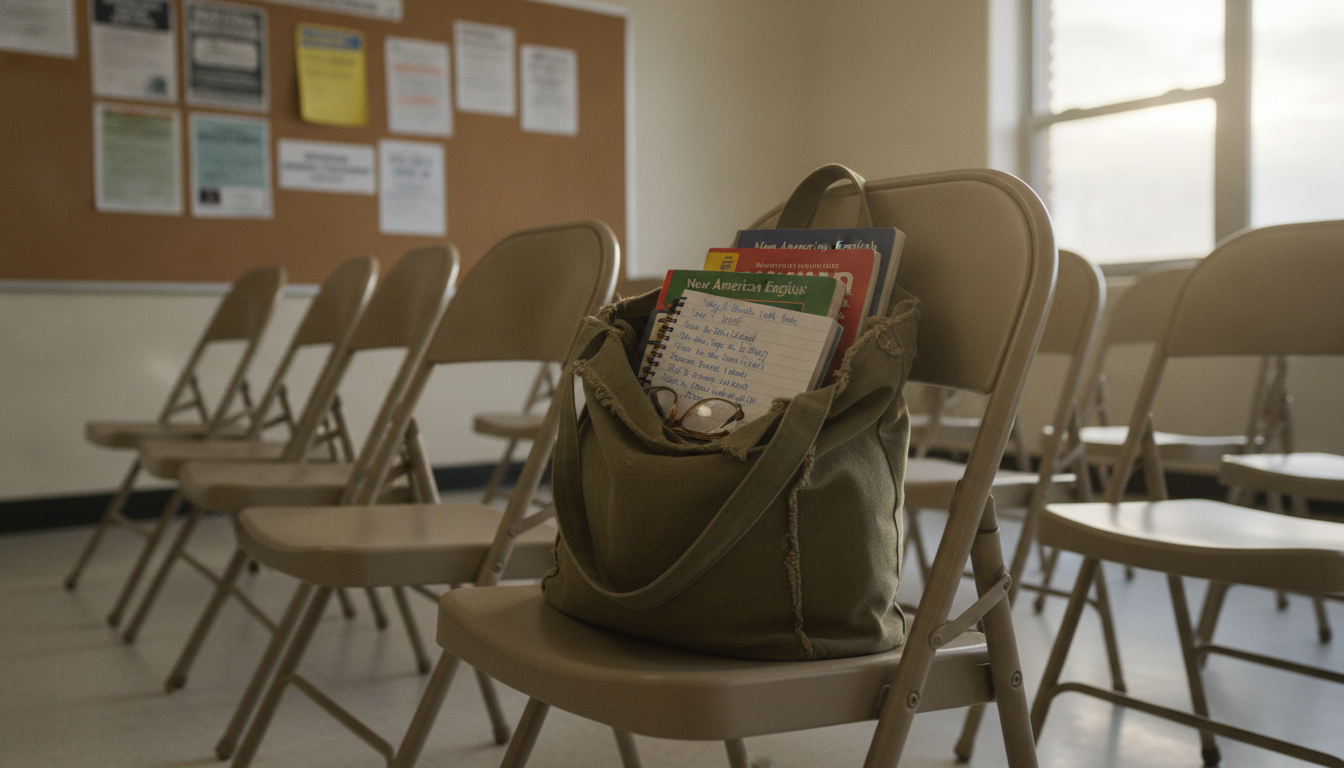
Montgomery County Adult Literacy Coalition Honored for 20 Years of Breaking Language Barriers
The Montgomery Coalition for Adult English Literacy (MCAEL) was honored by the Montgomery County Council for 20 years of helping tens of thousands of immigrants learn English and navigate life in the DMV.

Ethiopian Concept 'MISTAYE Coffee & Eat' Launches Inside Bloomingdale's Sylvan Café
MISTAYE Coffee & Eat has officially launched inside Sylvan Café on Rhode Island Avenue NW, bringing traditional Ethiopian coffee ceremonies, homemade sambusas, and authentic cuisine to the Bloomingdale neighborhood.
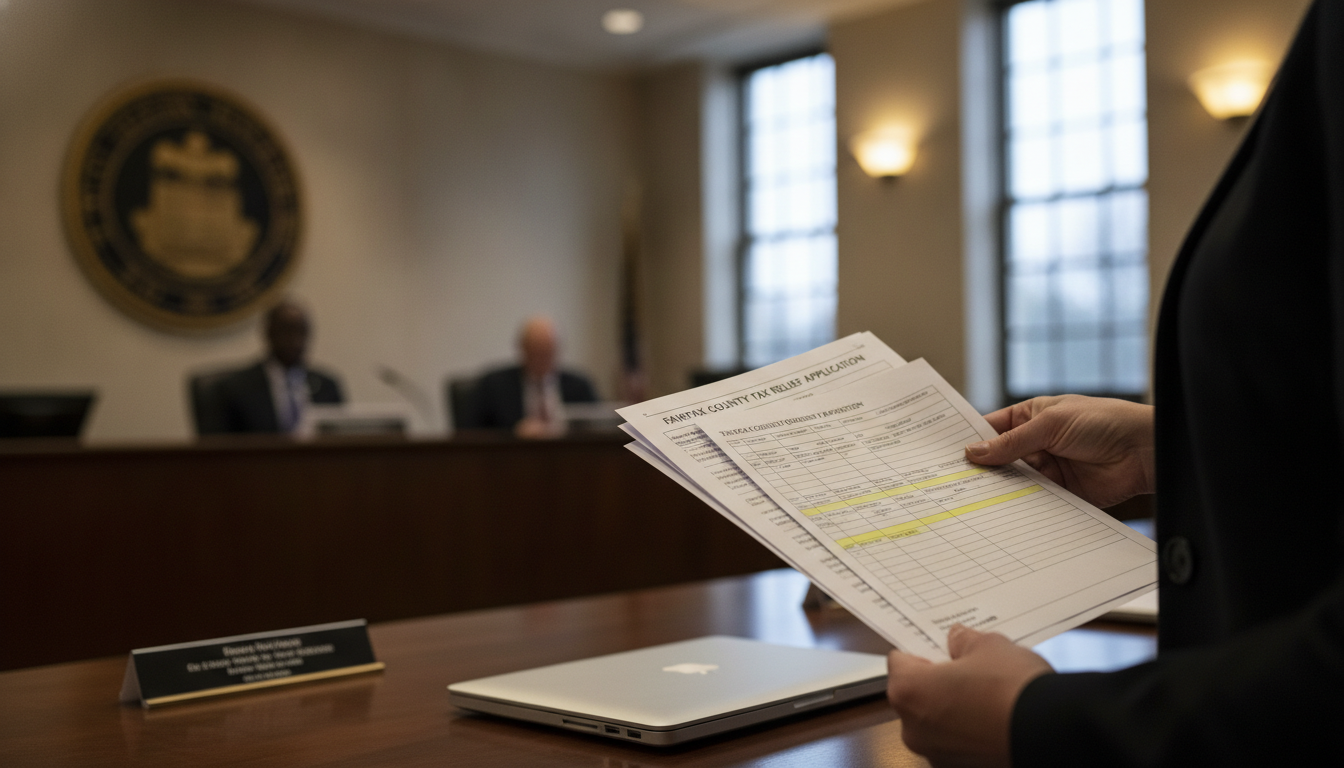
Fairfax County Board Weighs Adjustments to Income and Asset Thresholds
The Fairfax County Board of Supervisors is evaluating potential adjustments to income and asset limits, a move that could impact eligibility for local tax relief and assistance programs.