Governor Moore Enacts 197 New Laws for Maryland, Including "Kanaiyah's Law"
Share this article
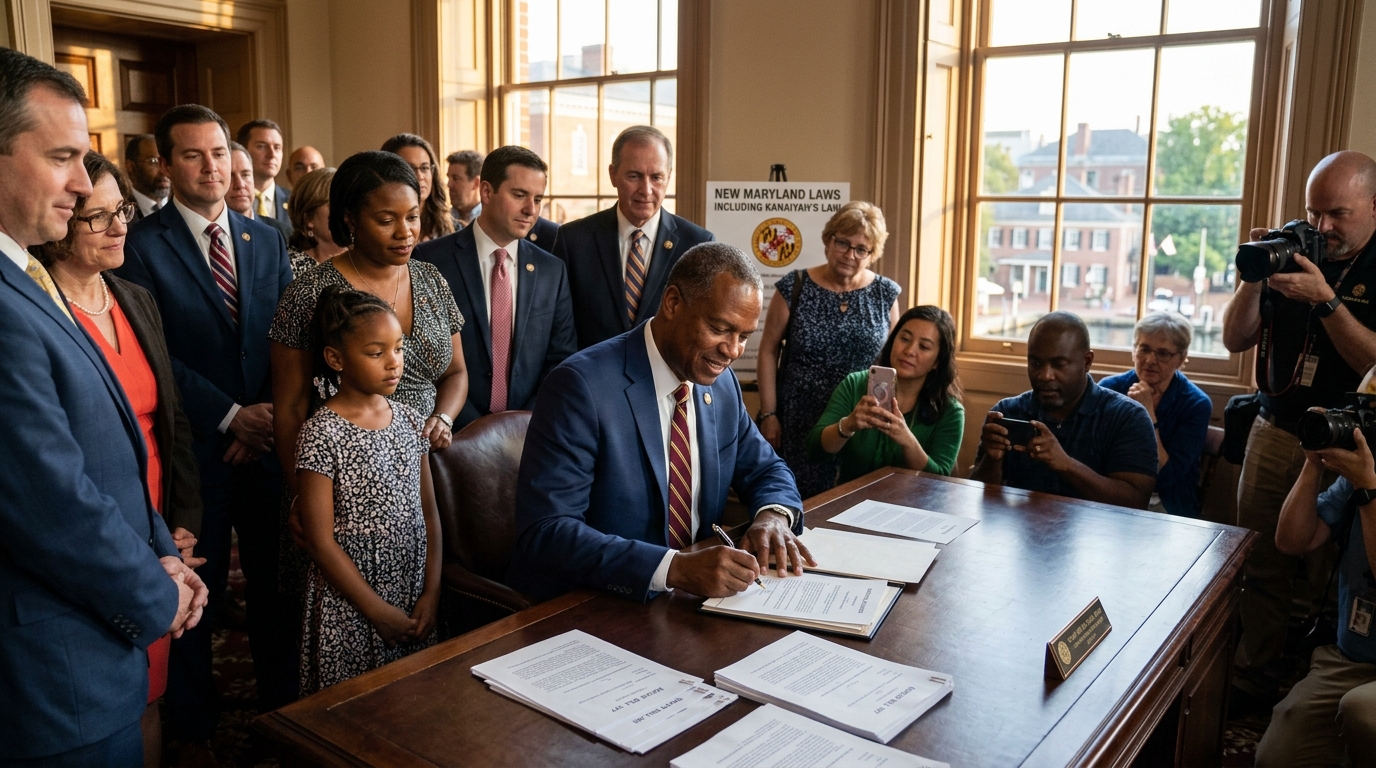
A Landmark Legislative Haul
The signing of 197 bills isn't just a ceremonial gesture; it represents hundreds of hours of debate, compromise, and careful crafting by elected officials. Each bill, regardless of its scope, has navigated a complex journey through the Maryland General Assembly, undergoing committee review, public hearings, and votes in both the House of Delegates and the Senate before reaching the Governor's desk. This legislative marathon culminates in days like these, where a governor's pen finalizes the will of the state's lawmakers.The Journey of a Bill in Maryland
In Maryland, the legislative process is designed to be thorough. A bill typically starts as an idea, proposed by a delegate or senator, often in response to constituent concerns or emerging state needs. Once introduced, it's assigned to a committee, where public testimony is heard, and amendments can be made. If it passes committee, it moves to the full chamber for a vote. To become law, a bill must pass both the House and the Senate, sometimes requiring negotiation between the two chambers to reconcile differences. Finally, it arrives at the Governor's office, where he can sign it into law, allow it to become law without his signature, or veto it. This recent signing event confirms the successful passage and gubernatorial approval of nearly two hundred such legislative efforts. You can learn more about the state's legislative process on the Maryland State Archives website.What This Means for DMV Residents in Maryland
While the specifics of each of the 197 bills signed into law are still being disseminated, their collective impact will be felt across the state. New laws often take effect on specific dates, commonly July 1st of the year they are passed, but some may have different implementation schedules. It's an important time for residents to stay informed about changes that could affect their personal finances, community services, or legal rights. The Maryland General Assembly's official website is the go-to resource for detailed information on all enacted legislation. For Marylanders, staying connected with official state channels, like the Office of the Governor or the Maryland.gov portal, will be key to understanding the specifics of these new laws. As these new policies roll out, their practical implications will become clearer, shaping the landscape of the Old Line State for years to come.📍 Local Resources
Official website for legislative information, including bill status, text of laws, and legislative schedules.
Provides official announcements, press releases, and information on state initiatives and executive actions.
Explore more on this topic
Related Stories

Councilmember Janeese Lewis George Urges Caution on Waymo Legislation, Citing DC's Jobs Crisis
Ward 4 Councilmember Janeese Lewis George has urged the DC Council to pump the brakes on Waymo legislation this year, warning that rushing autonomous vehicle laws could worsen the city's "jobs crisis" by displacing workers. She emphasizes the need to prioritize safety and worker support alongside technological advancement.

Ousted Board of Appeals Chair Sues Howard County Council, Office of Law
Howard County's ousted Board of Appeals chair has filed a lawsuit against the County Council and the Office of Law, initiating a significant legal challenge within the local government structure. This action highlights internal administrative disputes and brings the county's appointment and oversight processes into public scrutiny.