Governor Moore Demands Multiagency Crackdown on Youth Auto Theft After Tragic Maryland Crashes
Share this article
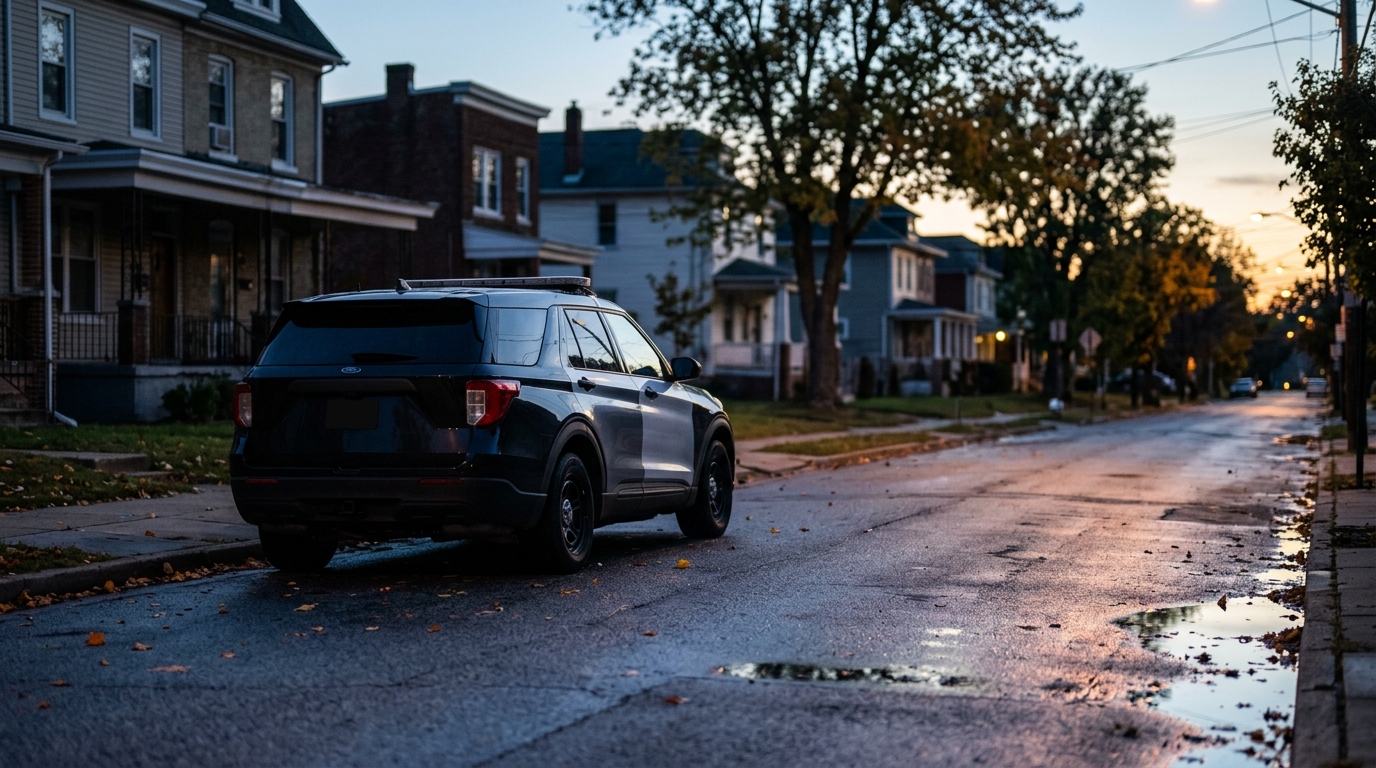
Governor Moore's Firm Stance on Public Safety
Governor Moore didn't mince words when addressing the gravity of the situation. His concern is palpable, underscored by the tragic human cost of these incidents. "Public safety is my top priority, and I am concerned by the recent frequency of motor vehicle thefts involving youth and young children," Moore stated in his directive. He emphasized the profound impact on communities, noting that "Most tragically recent incidents have resulted in severe injuries and fatalities across our communities." This clear message signals a zero-tolerance approach to juvenile auto theft, particularly when it leads to such dire consequences."Public safety is my top priority, and I am concerned by the recent frequency of motor vehicle thefts involving youth and young children. Most tragically recent incidents have resulted in severe injuries and fatalities across our communities." — Gov. Wes Moore (WTOP)The directive, addressed to Betsy Fox Tolentino, the state’s juvenile services director, outlines a clear mandate: coordinate a comprehensive, multi-pronged response. This isn't just about arrests; it's about understanding the root causes, implementing effective prevention strategies, and ensuring accountability. For Marylanders, particularly those in urban and suburban areas grappling with increased vehicle theft rates, this move represents a significant shift towards a more aggressive and coordinated effort to reclaim public safety.
A Call for Coordinated Action: The Multiagency Intervention
The core of Governor Moore's plan revolves around a "multiagency intervention." This phrase isn't just bureaucratic jargon; it signifies a coordinated effort that typically involves various levels of government and community partners working in concert. While the specific agencies and their roles will be fleshed out by the Department of Juvenile Services (DJS), it's reasonable to expect collaboration among: * **Law Enforcement**: State police, local county police departments (like Montgomery County Police or Anne Arundel County Police), and city police forces (such as the Baltimore Police Department) will likely intensify efforts to apprehend offenders and recover stolen vehicles. * **Department of Juvenile Services (DJS)**: As the lead agency, DJS will be central to assessing individual cases, providing rehabilitative services, and developing diversion programs to steer young people away from repeat offenses. You can learn more about their mission on the Maryland Department of Juvenile Services website. * **State's Attorneys' Offices and Courts**: Prosecutors will play a crucial role in ensuring appropriate legal consequences, while the juvenile justice system will handle cases with an emphasis on both accountability and rehabilitation. * **Educational Institutions and Community Groups**: Schools, youth programs, and local non-profits can contribute by offering mentoring, educational opportunities, and safe spaces that provide alternatives to criminal activity. This integrated approach aims to tackle the issue from multiple angles – prevention, enforcement, and rehabilitation – rather than relying on a single solution. The complexity of youth crime often requires such a holistic response, addressing not only the act itself but also the underlying factors that lead young people to engage in such dangerous behaviors.Understanding the Persistent Challenge of Youth Auto Theft
Youth auto theft isn't a new phenomenon, but its recent surge and the alarming frequency of high-speed chases and crashes have brought it to the forefront of public concern. Vehicles, particularly certain models, have become increasingly vulnerable to theft, often facilitated by readily available online tutorials or specific tools. For young people, the thrill, perceived ease, or peer pressure can be powerful motivators, often without a full grasp of the severe risks involved. The incident in Baltimore, where a 12-year-old was allegedly driving a stolen car involved in a fatal collision, serves as a stark reminder of these dangers. Such incidents not only result in property loss and financial hardship for victims but, as tragically demonstrated, can also lead to irreversible loss of life and severe injuries for both the victims and the young drivers themselves. The Governor's directive acknowledges this grim reality and seeks to implement measures that will prevent future such tragedies. Addressing this problem requires more than just stricter penalties. It demands an understanding of why young individuals, some as young as 12, are turning to auto theft. Factors can include lack of supervision, socio-economic challenges, exposure to negative influences, and a craving for excitement or belonging. Any effective intervention must consider these complex layers to truly make a lasting impact.What This Means for Maryland Residents
For residents across Maryland, particularly in areas like Baltimore, Montgomery County, and Prince George's County, Governor Moore's directive signals a renewed commitment to public safety. You can expect to see increased visibility of law enforcement, enhanced community outreach programs, and a more streamlined response from the juvenile justice system. The ultimate goal is to reduce the incidence of auto theft, especially those involving minors, and to make Maryland's roads and neighborhoods safer for everyone. Residents are encouraged to remain vigilant, secure their vehicles, and report any suspicious activity to local authorities. The success of a multiagency intervention often hinges on community cooperation and active participation. Updates on the specific strategies and progress of this initiative will likely be shared by the Governor's office and the Department of Juvenile Services in the coming months. Stay informed about state public safety initiatives through the Maryland Governor's official public safety page.📍 Local Resources
Responsible for providing services to children and youth who have been adjudicated delinquent or are in need of supervision. This directive places them at the forefront of the state's response to youth auto theft.
Primary law enforcement agency for the state, assisting local jurisdictions and investigating serious crimes, including vehicle theft. Report suspicious activity or crimes.
Provides resources and support for victims of crime, including those affected by auto theft or related incidents.
Looking Ahead: What to Watch
The Governor's directive marks the beginning of a concerted effort, not the end. Maryland residents should keep an eye on official announcements from the Governor's office and the Department of Juvenile Services for details on how this multiagency intervention will take shape. Specific programs, enforcement strategies, and community engagement initiatives are likely to be rolled out in the coming weeks and months. The success of this directive will be measured not only by a reduction in youth auto theft statistics but also by a tangible improvement in public safety and a renewed sense of security within Maryland communities. This is a complex problem with deep-seated causes, and while the Governor's swift action demonstrates a strong will to address it, sustained effort and community partnership will be key to achieving lasting change. The focus will be on holding young offenders accountable while simultaneously offering pathways to rehabilitation, aiming to break the cycle of crime and protect both property and lives across the state.Explore more on this topic
Related Stories
DC Firefighters Canvass Neighborhood After Deadly House Blaze
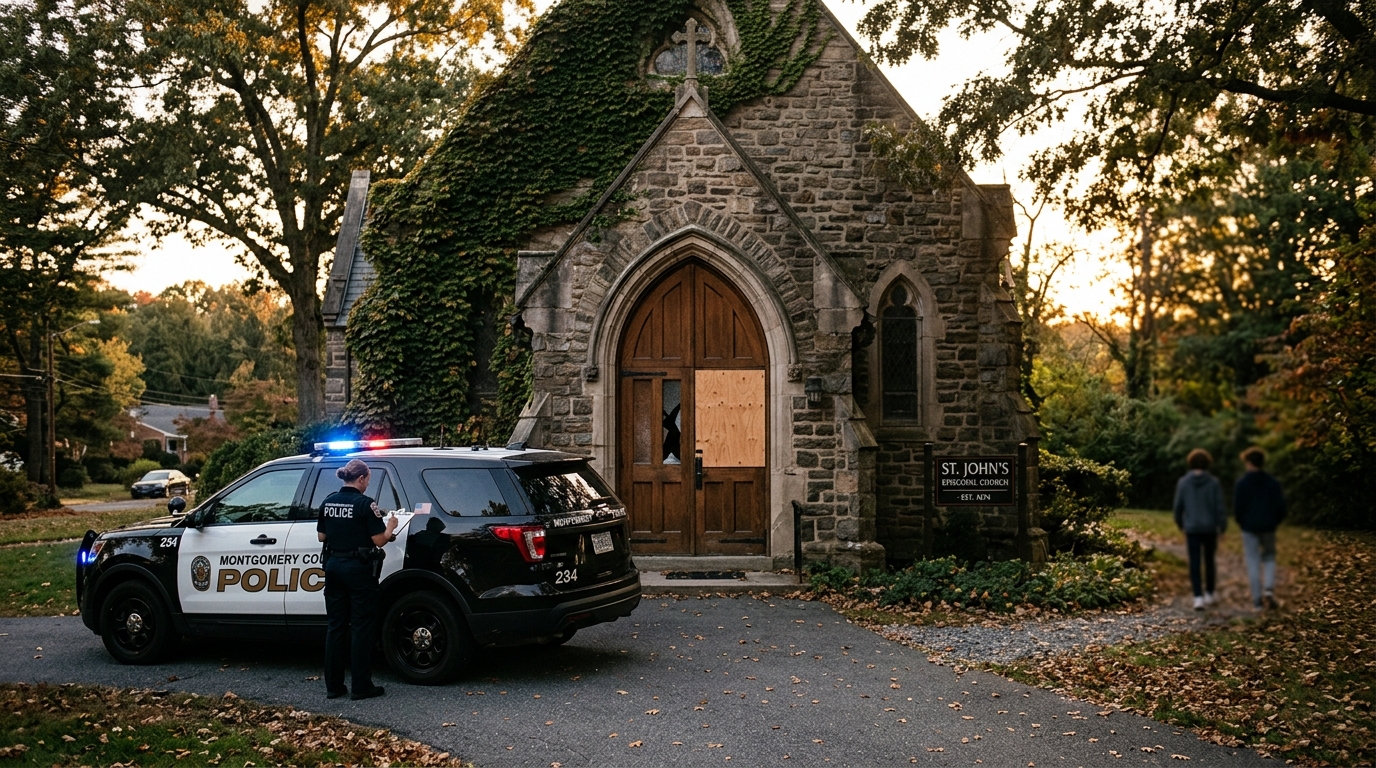
Teens Wanted After Vandalism Causes Thousands in Damage at Historic Montgomery County Church
Two teenagers are wanted after a break-in at a historic Montgomery County church resulted in thousands of dollars in damage, raising concerns about community safety and the preservation of local landmarks.
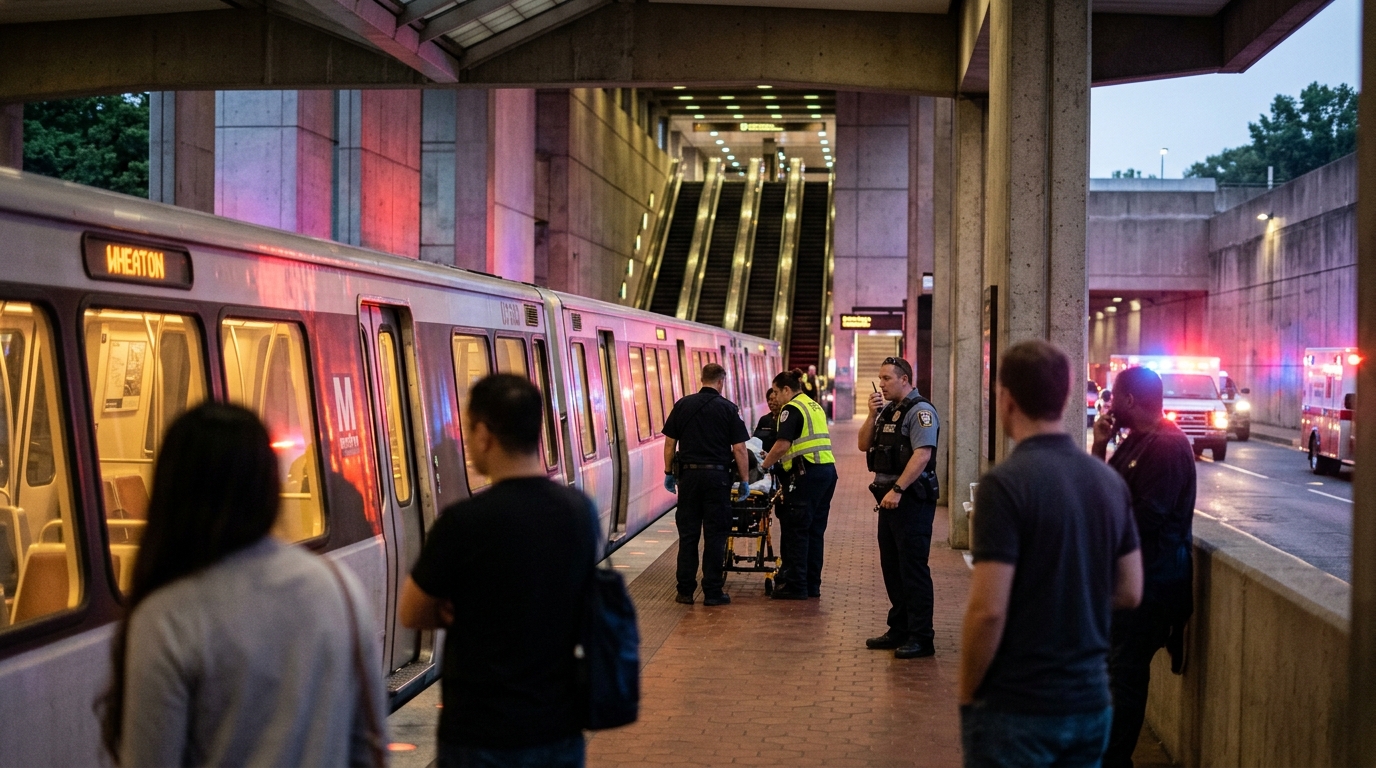
Three Hospitalized After Overdose Incident Shuts Down Part of Wheaton Metro Station
Three men were hospitalized after a suspected overdose at the Wheaton Metro station, prompting an emergency response and highlighting ongoing concerns about public safety and substance abuse in Montgomery County.